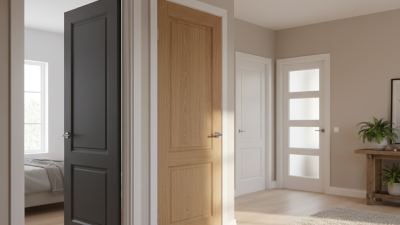
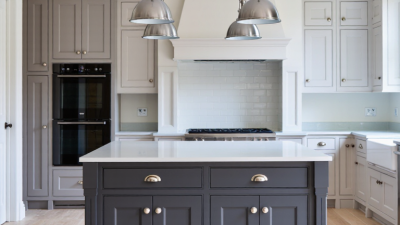
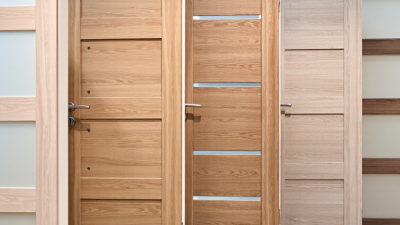
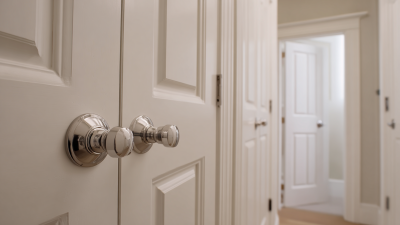
Shaker style interior doors are defined by restraint: clean rails, square stiles, and recessed panels without heavy ornament. Their quiet geometry suits modern, transitional, farmhouse, and traditional rooms. A typical design uses five equal panels, although two-panel and single-panel versions remain common. Some manufacturers also offer glass inserts or slim rails.
The 2024 U.S. Houzz & Home Study reports that 54% of homeowners completed renovation projects in 2023. That activity reflects continued interest in practical, visually consistent upgrades. Interior doors often support this goal because they change a room’s character without replacing its entire structure. Grand View Research’s interior doors market analysis also identifies residential construction and remodeling as important demand drivers. However, market growth does not make every door a wise purchase.
Material matters.
In real homes, I have seen hollow-core doors feel light and sound less substantial. Solid-core or engineered-wood doors usually provide better weight, privacy, and perceived quality. Finish durability also depends on moisture, cleaning habits, and installation accuracy. A beautiful door can still look wrong when hinges are uneven or the frame is poorly aligned.
This guide explains what shaker style interior doors are, how their construction differs, and where they work best. It also considers panel proportions, surface finishes, hardware, privacy, and maintenance. Design language is not a strict rule. Manufacturers interpret “Shaker” differently, so product specifications deserve careful review before ordering. The most convincing choice is usually the one that balances appearance, daily use, budget, and the existing architecture.
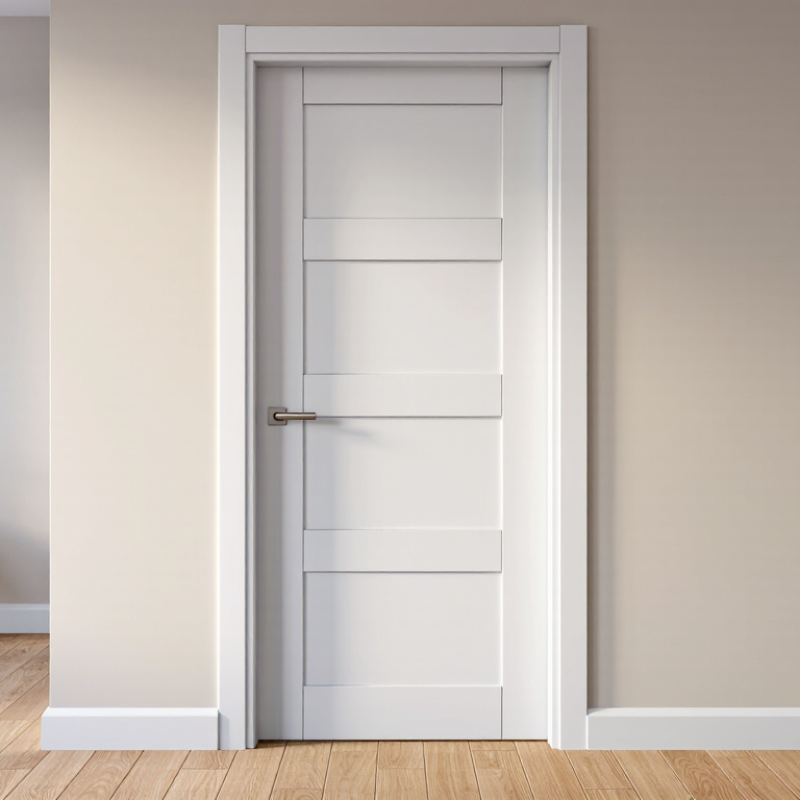
A Shaker style interior door is defined by restrained geometry and practical construction. Its most recognizable feature is a flat, recessed center panel framed by straight vertical stiles and horizontal rails. The profile is usually square or slightly softened, with little carving or ornament. This clean arrangement creates a calm surface that works in bedrooms, kitchens, studies, and hallways.
The design comes from a tradition that valued usefulness, honest materials, and careful workmanship. Modern doors may use solid wood, engineered wood, or composite cores. Construction quality matters more than appearance alone. Tight joints, a stable panel, and durable hinges help the door remain aligned through seasonal humidity changes. A painted finish can emphasize the simple frame, while a clear finish reveals grain and small variations.
Keep the details quiet.
Door thickness, panel depth, and edge treatment can vary between manufacturers, so “Shaker” does not describe one fixed specification. Measure the opening before choosing a replacement, especially in older homes with uneven frames. A narrow rail may look elegant, but it can feel less substantial in a large doorway. That is an easy detail to overlook. In practice, the best Shaker door balances proportion, movement, and daily use rather than copying a single visual formula. Even a minor gap around the panel can affect light, sound, and privacy.
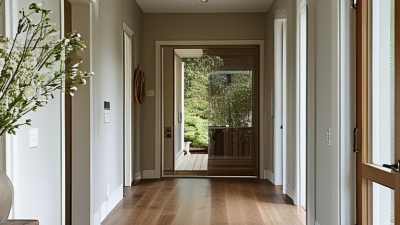
Shaker style interior doors grew from the United Society of Believers, who settled in America during the eighteenth century. Their communities valued honesty, usefulness, and disciplined craftsmanship. A door was not meant to impress visitors. It served a clear purpose.
The familiar design uses straight stiles, horizontal rails, and a recessed center panel. This structure creates calm shadows around the panel. It also makes small scratches less noticeable. Shaker craftsmen believed that careful work reflected personal character. Their furniture often showed exposed joinery and restrained decoration. The historical story is not perfectly tidy, however. Modern interpretations sometimes simplify Shaker principles into a visual trend.
That simplification still has practical value. The 2024 National Kitchen and Bath Association Design Trends Research identifies clean lines and transitional styling as continuing priorities among design professionals. Its findings reflect hundreds of industry responses. The 2024 Houzz & Home Study also reports continued homeowner investment in interior remodeling, showing demand for adaptable, lasting details.
In professional practice, a Shaker door works well because its proportions remain quiet. It can suit painted walls, timber floors, or aged hardware. A five-panel version feels more traditional. A single-panel version appears lighter and more contemporary. White is common, but muted green, clay, and warm gray can reveal the panel’s depth.
Not every plain door is authentically Shaker. That distinction deserves attention. A factory-made door may copy the outline without sharing the original philosophy. The better question is whether its materials, construction, and use remain honest.
Shaker style interior doors use clean rails, stiles, and a recessed center panel. Their quiet geometry suits modern, traditional, and transitional rooms. Common materials include solid wood, wood veneer, medium-density fiberboard, and molded composite.
Solid wood offers tactile grain and repairability, but it can expand with humidity. MDF stays dimensionally stable and paints smoothly. That practical difference matters in bathrooms, laundry rooms, and coastal homes.
Panel configurations change the door’s visual weight. A single large panel feels calm and contemporary. Two equal panels add familiar architectural rhythm. Three or five panels create stronger vertical emphasis, especially in tall openings.
Narrow stiles can look elegant, yet they may feel less substantial. I would test a full-size sample before ordering several doors. Small samples often hide shadow lines.
Finish selection should match use, not only decoration. Factory-applied paint usually gives more consistent coverage than site painting. Clear finishes reveal wood variation and require careful species selection. Waterborne coatings can reduce odor and drying time.
The U.S. Environmental Protection Agency notes that indoor pollutant levels may reach two to five times outdoor levels, making low-emission finishes worth considering.
FSC’s 2023 Facts & Figures reported certification covering more than 160 million hectares of forest worldwide, supporting traceable wood choices.
Still, certification does not guarantee perfect sourcing or craftsmanship. Check the documentation.
A Shaker style interior door is defined by a simple frame surrounding a flat center panel. Its rails and stiles create crisp, square lines. This construction gives the door a calm, balanced appearance. In residential projects, I often see Shaker doors used for bedrooms, closets, and home offices. Their restrained profile works with painted walls, natural wood floors, and modern hardware.
Shaker doors differ from other interior styles through their controlled simplicity. Raised-panel doors add bevels and decorative depth, creating a more traditional impression. Slab doors have no framing, so they appear smoother and more minimal. Glass doors invite light and visibility, while Shaker doors provide privacy without looking heavy. They are not visually dramatic. That can be a strength, although I sometimes find plain versions too quiet in large rooms. A darker finish or contrasting handle can add definition without weakening the design.
Tips: Check the panel proportions before ordering. Narrow stiles may look sharper, while wider framing feels more classic. Match the door finish with nearby trim, but do not assume everything must be identical. A warm white door beside cooler trim can look slightly awkward. Also inspect the hinge side and swing direction carefully. Small installation errors become obvious when the clean lines do not align. Be cautious with moisture-prone areas, because material quality and sealing affect long-term performance.
A Shaker style interior door uses clean lines, a flat center panel, and a simple frame. Its restrained shape works well in bedrooms, offices, hallways, and kitchens. When choosing one, begin with the room’s function rather than appearance alone. A solid-core door can reduce sound between rooms, while a hollow-core option may suit a low-traffic closet. Check the wall thickness, opening size, and existing jamb before ordering. Small measuring errors can create expensive delays.
Think about light and privacy together. A glazed Shaker door can brighten a dark hallway, but clear glass may feel exposed near a bathroom or bedroom. Frosted or textured glass offers a softer compromise. For busy homes, durable painted surfaces are easier to maintain than delicate finishes. Moisture-prone areas need properly sealed edges, especially near laundry rooms. I have found that door weight also matters; heavier doors need strong hinges and accurate installation. Otherwise, the slab may sag or scrape the floor.
Match the door profile with your trim, flooring, and hardware. A narrow rail can look refined, but it may feel too delicate beside wide casing. A wider frame often suits traditional interiors. Hinges, handles, and swing direction deserve attention too. They affect furniture placement and daily movement. Measure twice. Still, even careful planning can miss a detail, such as an uneven floor or an out-of-square opening. An experienced installer can identify these problems before the door is finished.