How to Choose Shaker Interior Doors in 2026?
Choosing shaker interior doors in 2026 requires more than matching a popular frame profile. The decision affects light, privacy, circulation, maintenance, and the visual rhythm of every room. A narrow hallway can feel calmer with a soft-white door, while a walnut finish may add warmth beside a cold stone floor. Small details matter.
Industry data supports careful selection. Grand View Research’s Interior Doors Market report identifies continued growth in demand for durable, design-led interior products through 2030. The 2024 U.S. Houzz & Home Study also reported a median major kitchen-remodel spend of approximately $75,000, showing why connected features deserve attention. A beautiful door can still disappoint when its swing blocks a cabinet, its hinges squeak, or its paint highlights every fingerprint.
Interior designer Nate Berkus offers a useful principle: “Your home should tell the story of who you are, and be a collection of what you love.” That idea suits shaker interior doors because their simple rails and recessed panels adapt to traditional, modern, and transitional rooms. Yet simplicity is not automatically better. A five-step selection formula sounds convenient. It can also be misleading. Wall thickness, core construction, moisture exposure, hardware, and installation quality all change the final result. This guide examines those practical variables, compares current materials and finishes, and explains how to choose doors that look refined without ignoring everyday performance. Expect a few compromises. Every home has them.
Define Shaker Interior Doors and Their Core Design Features
How to Choose Shaker Interior Doors in 2026?
Define Shaker Interior Doors and Their Core Design Features
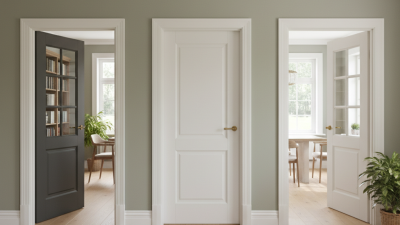
Shaker interior doors are recognized by their simple, recessed center panels and square, straight frames. Their design comes from Shaker craftsmanship, which valued function, restraint, and careful construction. Most styles use one to five panels, although proportions can vary between rooms. The clean geometry works well with modern, traditional, and transitional interiors.
Look closely at the rails and stiles, which form the door’s outer structure. Consistent widths create a balanced appearance, while narrow frames can feel lighter in smaller spaces. A smooth painted surface highlights the panel profile. Natural wood adds warmth but may show grain, knots, and seasonal movement. Solid wood can expand with humidity, so accurate installation gaps matter. MDF offers a stable painted finish, though damaged edges are harder to repair.
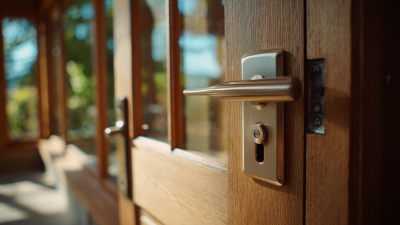
Choose hardware that supports the door’s quiet character. Round knobs feel traditional, while straight levers create a sharper appearance. I have seen attractive doors look awkward because the panel scale was ignored beside nearby trim. That detail is easy to miss. Measure the opening, wall thickness, and swing direction before ordering. Also check the hinge placement and clearance around flooring. A five-panel door may suit a tall hallway, but a single-panel design often looks calmer in compact rooms. There is no perfect Shaker formula; proportion, light, and daily use should guide the decision.
Compare Materials, Finishes, Panels, and Hardware Options
In 2026, choosing a Shaker interior door starts with the material beneath its finish. Solid wood offers natural grain, repairability, and a substantial feel under hand. It can also expand with seasonal humidity. Engineered wood provides better dimensional stability and often costs less. MDF creates a smooth, consistent surface, especially for painted doors. However, it needs careful sealing near bathrooms, laundry areas, and kitchens. Check the door’s core, edge treatment, and moisture guidance before ordering.
Finish changes both appearance and maintenance. A factory-applied paint usually gives sharper coverage than a rushed site finish. Warm white softens a hallway, while muted green or charcoal adds contrast without overwhelming a small room. Satin finishes hide fingerprints better than high gloss. Wood stains should match nearby flooring carefully; similar tones can still clash under different lighting. I once underestimated afternoon sunlight, and the chosen beige looked noticeably yellow by evening.
Panel layout affects proportion. A single recessed panel feels calm and modern, while two or three panels add stronger vertical rhythm. Narrow stiles can suit compact openings, but they may look unbalanced on wide doors. Hardware deserves equal attention. Lever handles are practical for busy homes, while knobs preserve a more traditional character. Choose hinges, latches, and screws with matching finishes, and confirm door thickness before purchase. Small errors show quickly. A paper mock-up at full height can reveal awkward proportions before installation.
Match Shaker Doors with Interior Styles and Existing Trim
Choosing a Shaker interior door in 2026 starts with the room, not a catalog photo. The clean, recessed panel suits modern, transitional, cottage, and minimalist interiors. Yet the same door can look cold beside ornate trim. I have found that proportion matters more than trend labels. Measure the existing casing, baseboard, and wall color before selecting a finish. Small details change everything.
For modern rooms, pair a flat Shaker profile with narrow casing and simple black, nickel, or bronze hardware. Keep the door and trim close in color for a calm, continuous wall. In transitional spaces, use wider casing and a warmer painted door. This creates contrast without making the opening feel heavy. Cottage interiors can accept visible wood grain, but the trim should remain restrained. Too much texture becomes noisy.
Existing trim deserves careful attention. If the baseboard has a rounded edge, match that softness at the casing or use a small transition block. Sharp new casing beside aged, stepped trim may look accidental. I test two paint samples near the doorway, under daylight and evening lamps. One sample usually wins. Sometimes neither does. That is useful information, not failure. Check swing clearance, hinge positions, and floor height before ordering. A beautiful Shaker door still feels wrong when its rails sit unevenly beside neighboring doors.
How to Choose Shaker Interior Doors in 2026?
Match Shaker Doors with Interior Styles and Existing Trim
The chart compares common nominal interior door slab widths with their typical rough-opening widths. Use the existing opening size first, then select a Shaker door profile whose rail-and-stile proportions, paint color, and casing width complement the room. Nominal dimensions are common residential standards; always confirm the actual opening and trim measurements before ordering.