How to Choose Shaker Style Interior Doors?

Choosing shaker style interior doors involves more than matching a popular design trend. Their clean rails, recessed panels, and balanced proportions can make a hallway feel calmer and more connected. Yet the wrong door may look flat, flimsy, or strangely oversized. Small details matter.

In real home projects, the best choice usually begins with the room’s function. A solid-core door can reduce sound between bedrooms, while a lighter hollow-core option may suit a low-traffic closet. Moisture-resistant materials deserve attention in laundry areas and nearby bathrooms. They are not always necessary everywhere. That is where many buyers overspend.

Panel width, stile thickness, and finish also change the door’s character. A warm painted white can soften dark flooring, while a deep green finish creates a stronger focal point. I have seen attractive doors fail because their hinges, handles, and casing felt like afterthoughts. Hardware should support the design, not compete with it.

Accurate measurements are essential. Check the opening, wall thickness, swing direction, and available clearance before ordering. A beautiful door cannot solve a poorly planned installation. It is easy to overlook trim alignment, especially in older homes. Uneven floors and settling walls may require practical adjustments.

This guide explains how to choose shaker style interior doors with greater confidence. It considers construction, proportions, finishes, hardware, privacy, maintenance, and budget. Some recommendations will depend on your home. Personal taste still matters. The goal is not perfection, but a thoughtful choice that performs well and feels right each day.
How to Choose Shaker Style Interior Doors?

Define the Shaker Door Style and Its Key Design Features

Shaker style interior doors are defined by restraint. Their most recognizable feature is a flat center panel framed by four square rails and stiles. The profile looks clean, balanced, and quietly architectural. Unlike heavily carved doors, Shaker doors rely on proportion, shadow, and craftsmanship for character. A narrow recessed panel can create a lighter appearance, while a wider frame feels more substantial. The edges should meet cleanly, especially at the corners.

In my experience, this style works well in hallways, bedrooms, kitchens, and home offices. Its simple surface makes fingerprints and small scratches easier to notice, though minor damage is usually easier to repair. Smooth painted finishes create a modern feel. Natural wood can add warmth, but uneven grain may make the room appear less formal. Door thickness, panel depth, and hardware scale also matter. A thin lever can look lost on a broad door.

Choose a Shaker door by studying the room’s existing lines. Match the door frame, baseboards, and cabinet geometry where possible. I once selected an extremely narrow frame for a compact room, expecting it to look delicate. It looked unfinished instead. That mistake taught me that simplicity still needs visual weight. Solid construction, accurate measurements, stable hinges, and a durable finish are more important than decoration. A Shaker door should feel calm, but not careless.

Assess Your Room’s Layout, Lighting, and Interior Design

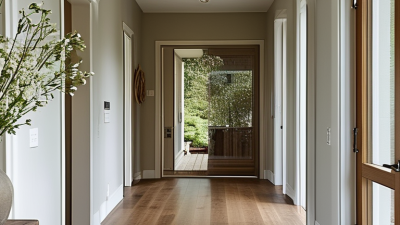
Choosing a Shaker-style interior door begins with the room around it, not a catalogue image. Measure the wall width, ceiling height, and available swing space before selecting a panel layout. A single recessed panel can keep a narrow hallway visually calm. Wider openings may support two doors or a glazed upper section. I once chose a dark door for a small study, and the space felt tighter than expected.

Lighting changes how the door’s finish and profile appear. North-facing rooms often need lighter paint to reflect available daylight. In sunny rooms, warm white can look noticeably creamier during afternoon hours. Check samples beside the trim, flooring, and wall color. Do this in daylight and after sunset. Artificial bulbs can alter undertones more than people expect.

The surrounding design should guide the door’s simplicity. Pair clean Shaker lines with plain hardware when the room already has strong flooring or patterned furniture. In a busier interior, a darker finish may add definition without introducing another pattern. Consider sightlines from nearby rooms, too. An open door can expose both faces, so matching finishes may create better continuity. The practical choice is not always the most attractive one. A beautiful door that blocks a radiator or reduces furniture clearance needs reconsideration. Test the swing with masking tape on the floor before ordering. Small details matter.

Choose the Right Panel Configuration and Door Materials

How to Choose Shaker Style Interior Doors?

Choose the panel configuration according to the room’s proportions and daily use. A one-panel Shaker door creates a quiet, modern surface in narrow hallways. Two vertical panels can make a tall opening feel more balanced. Three or four panels add visual rhythm, especially in traditional rooms with higher ceilings.

In practice, the rails and stiles should align with nearby cabinetry and wall trim. A small mismatch can make the entire room feel unsettled. Measure the opening, wall thickness, and swing clearance before ordering.

Material selection affects stability, acoustics, maintenance, and environmental impact. Solid wood offers natural grain and strong repairability, but it may expand or contract with humidity. Engineered wood or medium-density fiberboard usually provides a more consistent surface and accepts paint evenly. Molded composite doors can resist dents and moisture, although damaged areas may be harder to repair invisibly.

The U.S. Environmental Protection Agency reported about 600 million tons of construction and demolition debris in 2018, so choosing durable, repairable materials deserves attention. The 2023 Global Status Report for Buildings and Construction also recorded buildings using roughly 30% of global final energy.

Interior doors do not solve energy problems alone, but tight fitting and solid cores can improve privacy and reduce sound transfer. My first instinct was to choose the heaviest door; lighter engineered construction may perform better in humid homes. Check WDMA performance requirements, not only the sample’s appearance.

Match Door Color, Hardware, and Trim With Your Space

How to Choose Shaker Style Interior Doors?

Shaker doors look simple, but their clean geometry makes color, hardware, and trim highly visible. Start with fixed elements, including flooring, wall paint, window frames, and built-ins. Warm oak floors usually welcome cream, muted green, or soft white doors. Cool gray floors can support crisp white, charcoal, or brushed nickel. Always test samples beside the actual floor. Daylight changes everything.

Hardware should repeat a finish already present, not compete with it. Matte black sharpens a modern space, while brass adds warmth to pale walls. The National Association of Realtors’ 2023 Remodeling Impact Report gave interior painting a Joy Score of 10 out of 10. That result is not door-specific, but it confirms color can strongly affect satisfaction. The National Kitchen and Bath Association’s 2024 Design Trends Report also tracks growing interest in layered finishes. Still, matching every metal may feel too controlled. A small contrast can add character.

Tips: Keep trim one shade lighter than the door when the room feels dark. Match the lever with hinges when possible. Use satin finishes in busy hallways because fingerprints show less than on polished metal. Test one full door-sized sample, not a tiny color card. In practice, the “perfect” combination may look wrong under evening lamps. Revise it.

Compare Quality, Installation Needs, and Long-Term Maintenance

Choosing a Shaker-style interior door requires more than matching its clean, five-panel appearance. Quality begins with the construction. An engineered wood core usually resists seasonal movement better than a low-density solid slab. Check straight stiles, tight panel joints, and an even factory finish. The U.S. Department of Energy estimates that air leakage can account for 5–30% of a home’s heating energy, so poor fitting around the frame should not be ignored. A beautiful door can still perform badly.

Installation needs careful measurement. Confirm the rough opening, wall thickness, swing direction, and hinge locations before ordering. The frame must be plumb and square; small errors can cause rubbing, latch failure, or uneven gaps. Allow wood-based products to acclimate indoors before installation. This step is often skipped. It should not be. For bathrooms and laundry areas, choose moisture-resistant materials and seal exposed edges. A small gap under the door may also support airflow, but local ventilation requirements still matter.

Tips: Inspect the slab under side lighting. Look for warped edges, chipped corners, and inconsistent paint. Use three hinges for standard-height doors, and tighten screws into solid framing where possible. The U.S. Environmental Protection Agency recommends indoor humidity between 30% and 50%; that range helps reduce swelling and shrinking. Clean with a soft, damp cloth, avoid abrasive chemicals, and repair exposed surfaces quickly. I would not judge durability from appearance alone. Door hardware and installation quality can matter just as much.

How to Choose Shaker Style Interior Doors? - Compare Quality, Installation Needs, and Long-Term Maintenance

Comparison Factor Hollow-Core Shaker Door Solid-Core Shaker Door Engineered Wood Shaker Door Selection Guidance
Typical Construction Thin wood-fiber skins over a lightweight honeycomb or grid core. Dense wood-fiber or composite core with a Shaker face profile. Stable wood-fiber components, veneers, or laminated components engineered for consistent performance. Confirm the core and face materials because “Shaker” describes the appearance, not a specific construction method.
Approximate Door Weight Generally the lightest option; easier to carry and position during installation. Usually substantially heavier than a hollow-core door and may require two people to handle safely. Often falls between hollow-core and solid-core construction, depending on thickness and materials. Check the manufacturer’s listed weight before selecting hinges, fasteners, and handling equipment.
Sound Reduction Limited sound control; suitable for basic privacy in bedrooms, halls, or closets. Better sound reduction because the denser core adds mass to the door assembly. Moderate to good sound control, depending on core density, seals, and frame installation. For offices, nurseries, or media rooms, prioritize a dense core and a properly fitted frame with perimeter seals.
Installation Difficulty Lower handling demand, but accurate measuring, mortising, hinge alignment, and latch placement are still required. More demanding because of its weight; stronger hinges and careful frame support are important. Moderate difficulty; dimensional stability can simplify fitting, but hardware must match the door weight. For replacement work, measure the existing opening, jamb thickness, swing direction, and hinge locations before ordering.
Hinge Requirements Standard interior hinges are commonly sufficient when correctly sized and installed. May need heavier-duty hinges or an additional hinge, subject to the door manufacturer’s instructions. Use hinge quantity and screw length appropriate for the listed door weight and frame material. Avoid relying on hinge appearance alone; verify load capacity and secure screws into solid framing.
Moisture Tolerance Vulnerable if moisture reaches the skin, edges, or core; not intended for wet locations. More substantial, but exposed unfinished edges can still absorb moisture and swell. Often dimensionally stable, but performance depends on edge sealing, finish quality, and indoor humidity. Use bathroom-rated products where specified, provide ventilation, and keep water from contacting the bottom edge.
Surface and Finish Options Commonly supplied primed or factory-finished; raised or damaged skins can be difficult to repair invisibly. Suitable for paint and can provide a substantial feel; repairability depends on the face material. Available with paint-grade or veneer surfaces; factory-applied finishes generally provide more consistent coverage. Inspect panel joints, rail-and-stile edges, primer coverage, and finish uniformity before installation.
Long-Term Maintenance Dust regularly, wipe with a lightly damp cloth, and touch up chips quickly to protect the skin. Requires similar surface care; periodically check hinges, latch alignment, and finish wear. Clean gently and monitor veneer edges, joints, and high-contact areas for damage. Avoid abrasive cleaners, excessive water, steam, and harsh solvents unless the finish instructions allow them.
Durability in High-Traffic Areas Adequate for light to moderate use, but more susceptible to dents and punctures. Typically offers better resistance to impact and repeated use because of its dense core. Can provide a good balance of durability and stability when the face and edges are well protected. Choose a stronger core for children’s rooms, busy corridors, laundry areas, and frequently used offices.
Repair Considerations Small surface damage may be filled and painted; crushed skins or core damage are harder to restore. Minor dents can often be filled and refinished, although severe damage may require professional repair or replacement. Surface repairs are generally manageable, but veneer damage must be handled carefully to avoid visible patches. Keep matching touch-up paint or finish available and repair exposed edges before moisture can enter.
Best Use Cases Closets, low-traffic rooms, rental upgrades, and projects where low weight is a priority. Bedrooms, offices, studies, media rooms, and areas where privacy and a solid feel matter. Whole-home renovations seeking a balance of appearance, stability, durability, and manageable weight. Match the door type to room function, traffic level, sound requirements, budget, and installation capability.
Pre-Installation Checklist Verify rough opening size, slab width and height, door thickness, handing, swing clearance, jamb depth, hinge locations, bore height, and floor clearance. Store the door flat in a dry, climate-controlled interior space before installation. Follow the product instructions and local building requirements, especially when modifying fire-rated or accessibility-related assemblies.

Note: Performance varies by door thickness, core density, finish system, frame quality, hardware, and installation accuracy. Always confirm the product specification and care instructions before purchase.