How to Choose Shaker Style Doors for Your Home?

Choosing the right shaker style doors can change how a room feels, works, and ages. Their clean frames suit modern kitchens, traditional hallways, laundry rooms, and quiet home offices. However, a simple appearance does not make every door a simple choice.

In real projects, I have seen homeowners focus on paint color and overlook rail width, panel depth, and hardware placement. Those details affect the final result. A narrow five-piece door can look refined in a small kitchen. A wider frame may feel stronger beside large appliances. The best option depends on the room’s proportions, lighting, moisture levels, and daily use.

This guide explains how to compare shaker style doors with practical judgment. It considers solid wood, engineered wood, and durable composite materials. It also reviews finish quality, edge construction, hinge performance, and cleaning needs. Small details matter. A door may appear perfect in a showroom, yet feel too heavy or plain at home.

Reliable selection begins with accurate measurements and realistic expectations. A warm white finish can reveal uneven walls. Dark colors can highlight fingerprints near frequently used handles. Slab thickness also affects durability and installation costs. Some recommendations may not work equally well in every home. That is worth admitting.

By examining design, material, function, and budget together, you can make a more confident decision. The goal is not to follow a trend blindly. It is to choose doors that look balanced, open smoothly, and remain practical through everyday life.
How to Choose Shaker Style Doors for Your Home?

What Defines Shaker Style Doors?

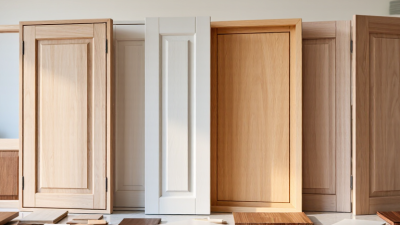
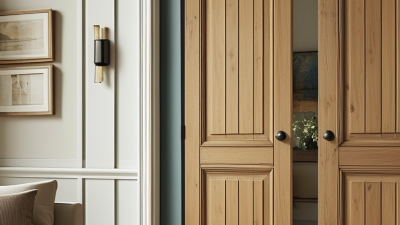
Shaker style doors are defined by restraint, not decoration. Their signature is a flat center panel framed by four square rails. The lines are clean, the surface is practical, and the construction feels balanced. Traditional versions use solid wood, while many modern doors use stable engineered cores with wood or painted finishes. Both can work well when built accurately.

Cabinet installers often check the corner joints, panel fit, and finish consistency before installation. Small gaps become obvious under bright kitchen lighting. A narrow rail can make a door look lighter, while a wider rail creates a stronger farmhouse character. Houzz’s 2024 U.S. Kitchen Trends Study reported that 76% of renovating homeowners upgraded their cabinets. That figure shows continued demand for cabinet changes, but it does not prove that every home needs Shaker doors.

The style suits kitchens, bathrooms, and utility rooms. It also accepts matte paint, natural timber tones, and simple hardware. The hard part is choosing the right proportion. I have seen pale Shaker doors look cold beside glossy flooring and warm woodwork. That result was technically correct, yet visually weak. Color samples should be viewed beside the countertop, wall, and floor during daylight. The National Kitchen and Bath Association’s 2024 design research continues to identify transitional interiors as a strong direction, which helps explain Shaker’s lasting appeal. Still, its simplicity can expose poor alignment, uneven paint, and careless installation.
How to Match Shaker Doors to Your Home’s Interior

How to Match Shaker Doors to Your Home’s Interior

Shaker doors suit many interiors because their recessed panel feels calm and architectural. Houzz’s 2024 U.S. Kitchen Trends Study reported white as the leading cabinet color, chosen by roughly one-third of renovating homeowners. That supports a practical choice, but white is not automatically correct. Compare the door with your flooring, wall paint, and natural light. A cool white beside honey oak flooring can look harsh. Warm white usually feels more connected.

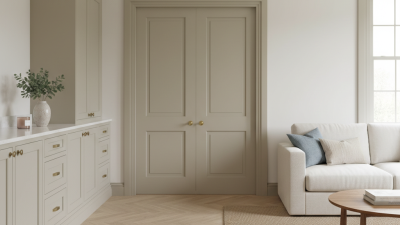
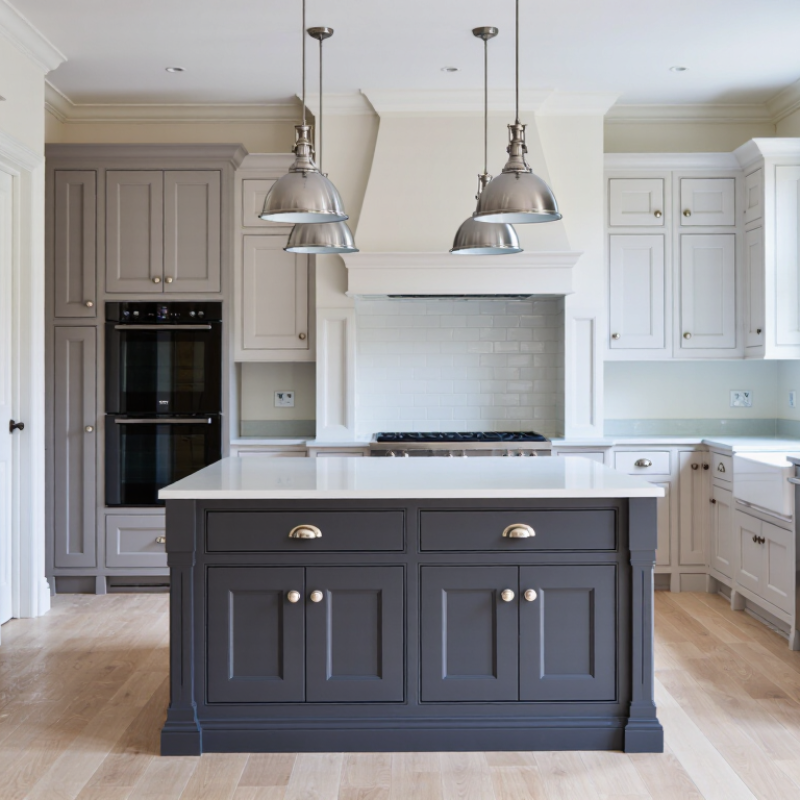
Start with the room’s strongest undertone. Pair pale oak floors with cream, muted sage, or soft greige doors. Match dark flooring with lighter doors to protect visual balance. Keep it quiet. Black or aged-brass hardware can repeat details from lighting and furniture. The NKBA 2024 Design Trends Report also identified warmer neutrals and natural wood tones as important kitchen directions. Use those trends carefully, not as a rule.

I have seen homeowners choose five-piece doors that were too narrow for broad walls. The result looked busy. Wider rails and simple hardware often feel more substantial. Glass-panel Shaker doors can connect a kitchen to a dining room, but use them sparingly. Measure twice. The Houzz study also shows that homeowners increasingly prioritize functional storage during renovations. A beautiful door still fails when it blocks drawers or clashes with nearby trim. My own preference is to test three sample finishes beside the countertop before ordering. Digital color previews can mislead. That small step prevents an expensive, imperfect match.

Which Materials and Finishes Suit Shaker Doors?

Shaker doors look simple, but their clean frame makes material choice highly visible. Solid hardwood offers natural grain and can be repaired after small dents. It may expand with humidity, so stable indoor moisture matters. Furniture-grade plywood is lighter and usually more dimensionally stable. MDF gives a very smooth painted surface, especially on routed profiles. However, damaged edges can absorb moisture quickly. That detail is easy to overlook. For busy kitchens, sealed edges and accurate installation are essential.

Finish should match both use and lighting. A durable water-based paint creates a crisp, contemporary look and cleans easily with mild soap. Satin or eggshell finishes often hide fingerprints better than high gloss. Stained wood keeps the grain visible, but color can vary between doors. Samples should be viewed beside flooring and worktops during morning and evening light. I would not choose from a small online image alone. It can mislead.

Tips: Ask for samples of the core material, edge sealing, and final finish. Rub the sample gently with a damp cloth, then inspect the corners. Check hinges and door alignment before accepting installation. In humid rooms, confirm the coating covers every exposed edge. White paint may show cooking marks sooner than expected. That is not a failure, but it may change your cleaning routine. If the room receives strong sun, ask about color stability and allow for slight natural movement in timber.

How to Choose the Right Shaker Door Design and Size?

How to Choose Shaker Style Doors for Your Home?

Choosing the right Shaker door begins with its design, not the color. A narrow rail creates a lighter, modern appearance. Wider rails feel more traditional and substantial. A single recessed panel suits calm, uncluttered rooms. Two smaller panels can add visual height to tall cabinets. Keep the door pattern consistent across nearby units. Small differences become obvious under bright lighting.

Size matters just as much. Measure the opening at the top, middle, and bottom. Walls are rarely perfectly square. Record the smallest measurement, then check the required overlay or inset clearance. For replacement doors, measure the existing door itself, including its height, width, and hinge position. Do not rely on a quick estimate. It can create expensive gaps.

Consider how the door will be used. A wide door beside a corner may need extra swing space. Tall doors may require stronger hinges and careful alignment. In a humid kitchen or bathroom, stable engineered timber can reduce movement, though it is not completely immune. I once underestimated handle clearance beside a wall. The door opened, but not comfortably. That detail changed the final layout. It is worth testing the full swing with cardboard before ordering. Choose a finish that reveals the recessed panel without making cleaning difficult. Soft, even lighting can expose uneven spacing, so inspect samples at different times of day.

What Should You Consider Before Installing Shaker Doors?

Before choosing Shaker doors, check how each opening works in the room. Measure the frame, hinge position, and clearance beside walls or appliances. A door that looks right on a sample can still hit a drawer pull or block a narrow walkway. Measure twice.

Material matters, too. Solid wood can respond to changes in humidity, while engineered options may offer more dimensional stability; confirm care requirements with the door maker. In bathrooms or near sinks, ask about moisture-resistant construction and sealed edges. Shaker doors have a recessed center panel, where dust and cooking grease can collect. That detail is easy to underestimate.

Style popularity is useful context, not a guarantee of suitability. Houzz’s 2024 U.S. Kitchen Trends Study reported that 61% of renovating homeowners chose Shaker-style cabinet doors. Consider that alongside your home’s proportions: wide rails can look heavy on a small cabinet, while a simple profile may suit a compact room. Request a full-size sample if possible, and view it in morning and evening light. Paint color can shift noticeably. Then confirm hinge compatibility, installation tolerances, and the cleaning instructions before ordering. I’d still leave room for personal preference; the most practical choice may not be the one you first pictured.

How to Choose Shaker Style Doors for Your Home? What Should You Consider Before Installing Shaker Doors?

Consideration Common Options What to Evaluate Practical Recommendation
Door Construction Solid wood, plywood, medium-density fiberboard (MDF), or a combination Solid wood provides a natural appearance but can expand and contract with changes in humidity. MDF offers a smooth, stable surface for painted finishes, while plywood is strong and relatively lightweight. Choose MDF for a consistent painted finish, plywood for strength and reduced weight, or solid wood when natural grain is a priority.
Panel Configuration Single recessed panel, double recessed panel, or glass-inset panel A single recessed panel creates the most recognizable Shaker appearance. Additional panels or glass can change the visual weight and level of privacy. Use single-panel doors for a clean, versatile look. Consider glass panels only where light transmission and visibility are desirable.
Frame Proportions Rails and stiles commonly measure about 2.25 to 3.5 inches wide Wider frames produce a more substantial traditional appearance, while narrower frames look lighter and more contemporary. Proportions should remain consistent across the room. Match the frame width to the door size, cabinet scale, and surrounding trim rather than selecting a proportion in isolation.
Surface Finish Painted, stained, clear-coated, or unfinished Paint highlights the simple geometry of Shaker doors and can conceal differences in wood grain. Stain and clear finishes emphasize natural grain but may reveal variations in the material. Choose a durable, washable coating for kitchens, bathrooms, and other high-use areas. Request a physical sample before approving the finish.
Color Selection White, warm neutral, gray, muted green, blue, natural wood, or custom color Light colors can make a room feel brighter, while darker colors add contrast and visual weight. Undertones may look different under daylight and artificial lighting. Test samples in the actual room at different times of day, especially when coordinating doors with flooring, walls, countertops, or hardware.
Moisture Exposure Low, moderate, or high-humidity locations Bathrooms, laundry rooms, and kitchens expose doors to moisture and temperature changes. Poorly sealed edges and unsuitable materials are more likely to swell or deteriorate. Use moisture-resistant materials and seal all exposed surfaces and edges. Maintain ventilation and avoid allowing standing water to contact the door.
Door Size and Weight Standard interior doors, tall doors, wide doors, or paired doors Larger or heavier doors place greater loads on hinges and hardware. Uneven construction or inadequate support can cause sagging and alignment problems. Confirm the finished opening, door thickness, swing direction, hinge capacity, and required number of hinges before ordering.
Hardware Compatibility Knobs, levers, concealed hinges, exposed hinges, pulls, and soft-close hardware Hardware affects both function and appearance. Handle placement should be comfortable, consistent, and clear of adjacent doors, walls, and trim. Select hardware after confirming door thickness and boring requirements. Use a consistent finish throughout the space unless a deliberate contrast is intended.
Installation Method Slab replacement, pre-hung door, cabinet-door replacement, or new built-in installation Slab installation requires accurate hinge and handle positioning. Pre-hung units also depend on a plumb frame, correct rough opening, and adequate wall support. Measure several points because openings may not be perfectly square. Allow for floor, wall, and trim conditions before final fabrication.
Maintenance Requirements Routine dusting, damp wiping, spot cleaning, and periodic hardware adjustment Raised edges and recessed panels can collect dust. Abrasive cleaners, excessive water, and harsh chemicals may damage paint or clear coatings. Clean with a soft cloth and mild diluted soap when necessary, then dry the surface. Repair chips promptly to limit moisture penetration.
Design Compatibility Traditional, transitional, modern farmhouse, contemporary, and minimalist interiors Shaker doors are adaptable, but the final result depends on frame proportions, color, hardware, surrounding trim, and nearby materials. Coordinate the door profile with baseboards, casing, cabinetry, flooring, and room scale to create a unified appearance.
Budget Planning Material cost, finishing cost, hardware, delivery, preparation, and installation Total project cost depends on dimensions, material, construction method, finish, customization, and site conditions. Replacement work may also require removal and disposal. Compare complete installed estimates rather than door-only prices, and include allowances for trim repairs, painting, hardware, and unexpected opening adjustments.

Planning tip: Before installation, verify the final measurements, door swing, material suitability, finish sample, hardware location, and moisture conditions in each room.