10 Tips for Choosing Elegant Doors for Your Home

Choosing elegant doors is not only a matter of appearance. A door influences how light moves, how rooms connect, and how a home feels on arrival. The right choice can make a narrow hallway feel calmer or give a plain room a stronger focal point. Small details matter. Consider the door’s proportions, panel design, finish, hardware, and relationship to nearby trim. A glossy surface may look striking in a showroom but show fingerprints in a busy home. Real rooms are less forgiving.

Architect Frank Lloyd Wright wrote, “The space within becomes the reality of the building.” His words offer a useful lens for choosing doors: they are part of the experience of a room, not merely its entrance. Still, an elegant style must work with the home’s layout and daily use. Check clearances, swing direction, privacy needs, and the opening’s measurements before settling on a design. For exterior doors, also ask a qualified supplier or installer about weather exposure, insulation, and suitable materials. Details can change the result.

This guide presents 10 practical tips for choosing elegant doors that feel considered rather than showy. It explores styles, materials, color, glass, hardware, and fit, with attention to both visual balance and everyday function. You may not get every choice right on the first try; finishes can look different under morning light than under a warm hallway lamp. That is worth remembering. A beautiful door should still feel right when you use it every day.
10 Tips for Choosing Elegant Doors for Your Home

Understanding What Makes a Door Elegant and Suitable for Your Home

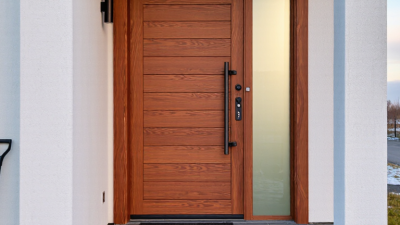
An elegant door should feel intentional, not merely expensive. Its proportions need to suit the entry, while its finish should relate to nearby floors, trim, and hardware. A dark-stained wood door can warm a pale façade; a glazed panel can brighten a dim hallway. But too much glass may reduce privacy. Looks are not enough.

Fit and performance matter just as much. Measure the opening, check the swing clearance, and consider who uses the doorway each day. The U.S. Department of Energy’s Energy Saver guidance estimates that air leakage can account for 25–40% of heating and cooling energy use in a typical home. That figure covers the whole home, not the door alone, but it shows why a close fit and sound weatherstripping deserve attention. Check the door’s U-factor and air-leakage information, where available, and match the material to your climate and maintenance tolerance. A painted timber door may need more upkeep than expected. I would reconsider that choice if the entry faces strong afternoon sun. A beautiful finish can fade.
Matching Door Styles to Your Home’s Architecture

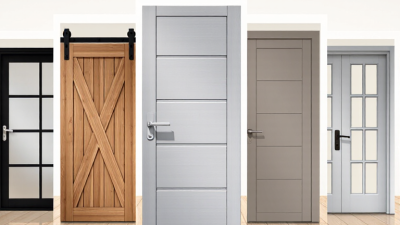
Look at your home’s lines before choosing a door. A Craftsman house often suits a sturdy frame, divided glass, and simple, visible joinery. Keep the glass modest. On a Victorian facade, raised panels or narrow glazing can echo the trim without copying every detail. For a modern home, flat panels and restrained hardware usually feel more at ease than ornate carving. Proportion matters: a tall entry can carry a substantial door, while a small cottage may feel crowded by one.

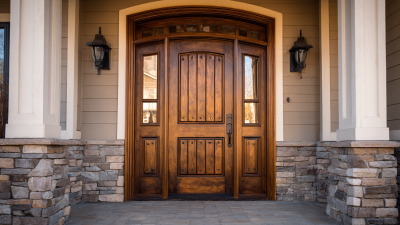
Notice the details already in place: brick color, window shapes, roof pitch, and the depth of the entrance. A traditional brick home may welcome a paneled door in a muted, warm shade; a farmhouse might feel calmer with broad boards and uncomplicated lines. These are guides, not rules. It is easy to match every feature too closely, and the result can look staged. Before ordering, compare door samples beside the exterior in morning and evening light. Check how the frame meets the existing trim, too. A beautiful style can still feel wrong when its proportions are off. Some choices need a second look.

Comparing Materials, Finishes, and Glass Options

Elegant doors work best when their materials suit the room, not just the photograph. Solid wood brings visible grain and can be refinished, but humidity may cause movement. Fiberglass resists moisture and needs less upkeep; steel offers strength, though scratches can expose metal beneath the finish. For a busy entry, inspect sample corners and hardware in daylight. A deep charcoal finish may look polished indoors, then feel almost black outside.

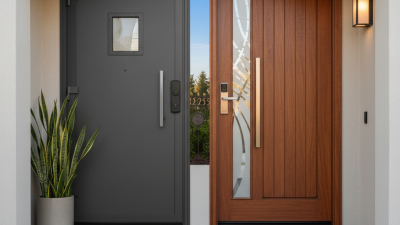
Glass changes both light and privacy. Clear glazing brightens a narrow hall, while frosted or textured panes soften views without blocking daylight. For glazed doors, compare U-factor and solar heat gain coefficient labels rather than relying on “energy-efficient” claims. The U.S. Department of Energy reports that windows account for about 25–30% of residential heating and cooling energy use; that figure is not specific to doors, but it shows why glazing deserves attention. Low-emissivity coatings and insulated glass can help, depending on climate and orientation. Check the National Fenestration Rating Council label where available. Small detail. I would also test samples against the actual floor and trim; undertones can clash, and screens rarely reveal them. A slightly imperfect match may feel warmer than a perfectly coordinated set.

Choosing the Right Size, Swing, and Hardware

Choosing an elegant door starts with measurements, not color. Measure the opening at the top, middle, and bottom; older frames may not be perfectly square. Check the height, jamb depth, and space beneath the door, especially if flooring will change. Measure twice. A beautiful door that rubs against the floor will quickly feel like the wrong choice.

Tip: Stand where you will approach the closed door, then note which side has the hinges and where the door will swing. Make sure it clears nearby walls, cabinets, and furniture. In a narrow hallway, an inward swing may block a useful path; in a bedroom, an outward swing may create a different problem. It is easy to overlook the doorstop, too.

Choose hardware that suits both the door’s weight and the way you use the room. Heavier doors may need hinges rated for that load, so check the door maker’s guidance or ask a qualified installer. For handles, test the grip if possible; a smooth knob can be awkward with full hands. Privacy locks suit bedrooms and bathrooms, while passage hardware works well for closets. Small details matter. Finish samples can look different in daylight, so compare them near the doorway before deciding.

Balancing Durability, Security, Maintenance, and Cost

An elegant door should suit the home, but its materials must handle daily use. Solid wood offers warmth and can be refinished, though it may swell in damp weather. Fiberglass resists moisture and needs less upkeep, but its surface may not feel as natural. Looks matter. For a busy entrance, check how the door closes and whether its frame feels sturdy. A secure lock is only part of the picture; a well-fitted frame and reinforced hinges also help resist forced entry. Ask an installer how the door will fit your opening, especially in an older home where measurements may be uneven.

Maintenance affects the real cost over time. Painted wood may need touch-ups where rain hits the lower edge, while glass panels call for frequent cleaning. Choose glazing and hardware that suit your climate and household needs. Compare the full price, including installation, weather seals, and future repairs, rather than focusing only on the door itself. A cheaper option can cost more later if it needs repeated adjustments. I still find this trade-off difficult: the most durable choice is not always the one that feels right for a home. Set a practical budget, then spend where wear, weather, and security matter most.

10 Tips for Choosing Elegant Doors for Your Home - Balancing Durability, Security, Maintenance, and Cost

Tip What to Consider Durability and Maintenance Security and Energy Typical Installed Cost (USD)
1. Match the door to its location Choose an exterior-rated, weather-sealed door for entrances; interior doors do not provide the same weather or security performance. Exterior doors need durable finishes, sound seals, and properly fitted thresholds to handle exposure. A correctly installed exterior assembly helps limit drafts and creates a stronger entry point. Varies by material and opening; compare quotes for the same scope.
2. Consider insulated steel A practical option for a clean, contemporary look and a relatively modest budget. Steel is strong, but dents can be difficult to repair; exposed scratches should be touched up to reduce corrosion risk. An insulated core can improve thermal performance. Security also depends on the frame, lock, hinges, and installation. About $500–$1,500
3. Compare fiberglass for a wood-like appearance Textured fiberglass can resemble painted or stained wood without requiring a solid-wood slab. It generally resists warping and rust; follow the finish maker’s guidance for cleaning and refinishing. Insulated models can help reduce heat transfer, while a sound frame and quality lockset remain essential. About $800–$2,500
4. Choose solid wood for natural character Wood offers distinctive grain and can be repaired or refinished, making it suited to traditional and tailored designs. It may swell, shrink, or fade with moisture and sun exposure; periodic finish maintenance is important, especially outdoors. A solid slab alone does not guarantee security or insulation; check the complete door assembly and glazing, if any. About $1,000–$4,000 or more
5. Check the frame and installation Ask whether the quote includes a sound frame, weatherstripping, threshold, flashing, and removal of the old unit. A well-sealed, correctly aligned installation helps prevent water intrusion, drafts, and premature wear. A strong door can underperform if its frame or attachment to the building is weak. Installation scope can substantially change the total price.
6. Upgrade the lock and hinge details Look for a quality deadbolt, a reinforced strike area, and hinges suited to the door’s weight and exposure. Periodically check that screws are tight and the latch operates smoothly; use corrosion-resistant hardware where appropriate. A deadbolt with a bolt that extends at least 1 inch is a common residential security feature; proper installation matters. Hardware upgrades are usually priced separately from the door.
7. Use glass thoughtfully Decorative or glazed panels add daylight and visual interest; consider their position relative to locks and privacy needs. Glass needs routine cleaning. Ask about the glazing type and the care requirements for leaded or decorative inserts. Choose safety-rated glazing where required by local code; obscure glass can improve privacy but does not replace secure hardware. Glass and decorative options can increase the price.
8. Account for climate and exposure Consider direct sun, rain, humidity, temperature swings, and whether the entry is sheltered by a porch. Use a suitable finish and replace worn weatherstripping; sheltered entrances may experience less finish wear. Look for an appropriate U-factor and air-leakage information when comparing energy performance; ratings depend on the full assembly. Ask for local quotes because climate requirements and labor costs differ.
9. Set a whole-project budget Compare the door, frame, finish, hardware, delivery, labor, disposal, and any repairs as one project. A lower initial price may not include weatherproofing, repainting, or frame repair; confirm what is included. Do not trade away a proper fit, secure hardware, or required safety features simply to meet a low quote. Typical exterior-door projects often range from roughly $500 to $4,000 or more, depending on scope.
10. Verify measurements, codes, and warranty terms Confirm handing, swing, rough-opening dimensions, local egress or fire requirements, and the warranty’s coverage. Follow care instructions and retain documentation; warranty coverage may depend on installation and maintenance conditions. Code requirements vary by location and door purpose; verify applicable rules before ordering. Confirm the final written quote before purchase.

Cost figures are approximate U.S. installed-price ranges for common residential exterior doors, not guarantees. Actual costs vary by size, design, location, labor, hardware, glazing, and installation complexity.