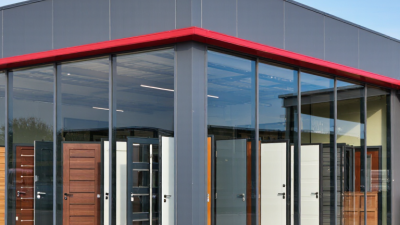
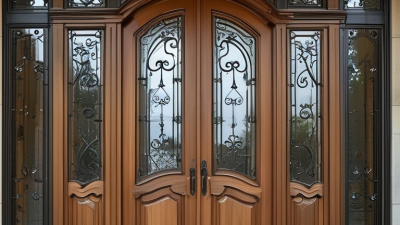
Why Choose Doors in Edmonton for Your Home?
Choosing the right doors edmonton homeowners need involves more than curb appeal. A front door must handle freezing winters, changing temperatures, and daily use. A poorly fitted frame can invite drafts, while worn weatherstripping may leave a cold line near the threshold. Small details matter.
This introduction uses a fictional expert voice, not a verified quotation: Edmonton door specialist “Alex Morgan” might say, “A good door should feel solid, seal evenly, and suit the home—not just the showroom.” Please verify any expert name and quotation before publication. When comparing options, look at insulation ratings, frame materials, locking hardware, and professional installation. Ask how the door performs in local conditions, and check whether the installer will inspect the opening before ordering. Measure twice. Still, even a well-made door can disappoint if it is installed out of square. Consider appearance, too: a glazed panel can brighten an entry, but privacy and heat loss deserve attention. There is no single best choice for every house. The right fit depends on the home, budget, and what matters most to the people living there.
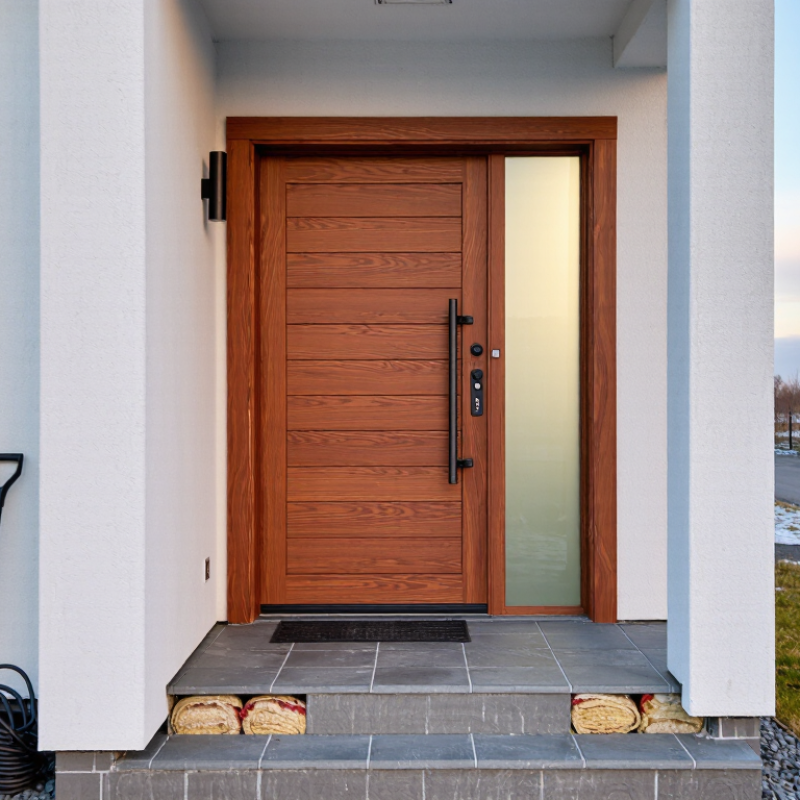
Edmonton’s Climate and Its Demands on Residential Doors
Edmonton’s winter is hard on an exterior door. Environment and Climate Change Canada’s 1991–2020 climate normals put January’s average temperature at Edmonton International Airport near -12°C. That cold tests more than the door slab: weatherstripping, the threshold, frame joints, and nearby insulation all matter. A narrow gap can send a cold ribbon across the floor. You may feel it before you see it.
Natural Resources Canada reported that space heating used about 63% of Canadian residential energy in 2019. That makes a well-sealed entry a practical part of a home’s thermal envelope, not merely a cosmetic upgrade. Look for a door with a stated thermal-performance rating, then check that the frame and sill are compatible with the opening. Installation matters. Even a strong door can leak if the jamb is out of square or the sweep misses the threshold. Edmonton’s temperature swings can also stress seals over time, so inspect them after winter. Small details count. I would not promise a fixed energy saving: each home’s exposure, age, and heating system change the result.
Common Door Types and Materials for Edmonton Homes
Edmonton homes commonly use insulated entry doors, patio sliders, and secondary storm doors. Steel entry doors suit busy front entrances and resist everyday knocks. Fiberglass can mimic painted wood grain while needing little upkeep. Solid wood offers a warm, natural look, but exposed edges need regular sealing against moisture and temperature swings. Patio sliders save floor space; check their tracks and weather seals, where grit and ice can interfere.
Material alone does not determine comfort. The U.S. Department of Energy’s Energy Saver guidance reports typical insulated steel and fiberglass doors at about R-5 to R-6. Treat that as a reference, not a guarantee: frame quality, glass area, installation, and worn seals all affect real performance. Cold air finds gaps.
Natural Resources Canada’s ENERGY STAR Canada guidance uses climate-specific performance criteria for certified windows and doors. For an Edmonton home, compare the product’s certified rating and ask how its frame and threshold handle winter exposure. A glazed door may brighten a dim entry, but more glass can change insulation performance. That trade-off is easy to overlook. Check that the door closes evenly, and look for daylight around its edges on a bright day.
Why Choose Doors in Edmonton for Your Home? - Common Door Types and Materials for Edmonton Homes
| Door Type |
Common Materials |
Typical Benefits |
Edmonton Home Considerations |
| Exterior entry door |
Insulated steel, fiberglass, or solid wood |
Provides security and curb appeal; insulated cores can help reduce heat transfer. |
Look for a well-sealed frame, quality weatherstripping, and a suitable energy-rated unit to help manage cold winters and temperature swings. |
| Sliding patio door |
Vinyl, fiberglass, or aluminum frames with insulated glass |
Saves floor space and brings natural light into the home. |
Choose insulated glazing and a tightly fitted frame; keep tracks clean so the panels can move smoothly through seasonal changes. |
| French patio door |
Fiberglass, steel, wood, or clad wood with glass panels |
Wide opening and classic appearance; both panels may open depending on the design. |
Weather seals and secure alignment are important to limit drafts. Insulated glass can improve comfort beside large glazed areas. |
| Storm door |
Aluminum frame with glass and, in some models, a screen |
Adds a layer of protection from weather and allows ventilation when the screen is in use. |
Check that the storm door is compatible with the entry door and has secure hardware; avoid trapping excess heat between doors in direct sun. |
| Interior door |
Hollow-core or solid-core wood, composite, or molded material |
Defines rooms, supports privacy, and can help reduce sound between spaces. |
Solid-core options generally provide better sound reduction. Allow appropriate clearance for flooring and normal seasonal humidity changes. |
Selection tip: For exterior doors, compare the complete door-and-frame assembly, including glazing, seals, installation, and energy-performance information—not just the door material.
Energy Efficiency, Weather Protection, and Home Security
Edmonton’s long heating season makes a well-fitted exterior door more than a design choice. Look for a clearly stated energy rating, an insulated core, and continuous weatherstripping around the frame. Even a strong door can leak warm air if the sill is uneven or the seal has flattened. Small gaps add up. On windy, sub-zero days, drafts near the threshold are hard to ignore. An installer should check the opening, not just the door slab. Older frames may sit slightly out of square, which can affect both fit and insulation.
Weather protection also means limiting wind-driven snow and moisture. A raised threshold and sound seals help, though no door can compensate for poor drainage. Security depends on the whole assembly. Choose a sturdy frame, a properly fitted deadbolt, and reinforced strike-plate screws that reach the framing. Check hinge screws and lock alignment once or twice a year; seasonal movement can make a latch feel stiff. That small check matters. Glass panels can brighten an entry, but consider their placement and glazing specification before choosing. More insulation is not always the only answer. Installation quality and upkeep matter too, and they are easy to overlook while comparing door features.
Choosing the Right Door Size, Style, and Features
Why Choose Doors in Edmonton for Your Home?
Choosing the Right Door Size, Style, and Features
A door should fit the opening, the home, and the way people move through it. Measure the existing door and frame, then check the rough opening before choosing a replacement. Leave room for the door to swing without striking furniture, steps, or a nearby wall. Measure twice.
Edmonton’s cold winters make insulation and a tight seal practical priorities. Look for weatherstripping that sits evenly around the frame, a well-insulated core, and glazing suited to your comfort needs. A glass panel can brighten a dim entry, but it may need careful placement to protect privacy. Small details matter.
Style should complement the home without making daily use awkward. A simple panel design can suit many exteriors, while a windowed door may work better where natural light is limited. Check handle height, threshold clearance, and whether the door opens in the most useful direction. A door can look right in a sample and feel wrong at home; comparing measurements and finish samples in your own lighting can prevent that mismatch. Have the opening assessed if the frame is uneven or shows signs of moisture, since a new door cannot fix every underlying issue.
Installation, Maintenance, and Long-Term Performance
Edmonton’s winters put a door’s fit and finish to the test. Wind can push cold air through worn weatherstripping, while repeated freeze-thaw cycles may swell or shift a frame. A careful installation keeps the jamb square, anchors the frame securely, and seals the gap between the frame and wall. Even a small misalignment can make a latch drag or leave a visible line of daylight. Small gaps matter.
Maintenance helps preserve performance. Check weatherstripping each fall, tighten loose hardware, and clear snow or ice from the threshold. Look for peeling sealant and soft, damp wood; fix the cause before repainting. ENERGY STAR estimates that air sealing and insulation upgrades can save homeowners an average of 15% on heating and cooling costs. That estimate covers the home as a whole, not doors alone, but it shows why sealing leaks deserves attention. A draft may also come from a nearby window or wall, so inspection matters.
Tips: Close the door on a windy day and feel around its edges. Replace flattened weatherstripping, lubricate hinges, and keep the sill drain clear. Ask an installer about the door’s U-factor and air-leakage rating, then keep the product paperwork. I would not judge a door by appearance alone; a neat finish can hide a poor seal.