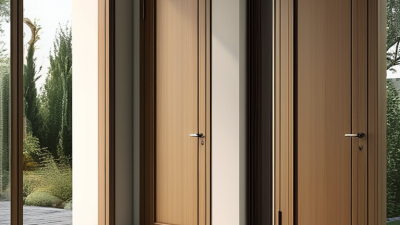
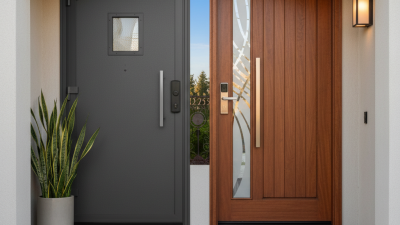
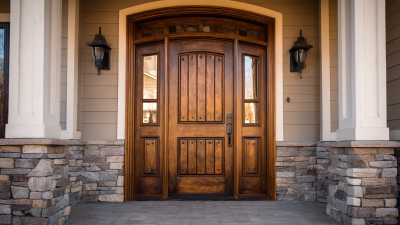
China remains a significant manufacturing base for home doors, serving residential projects, distributors, and renovation markets worldwide. UN Comtrade data for HS 441820 shows China as a leading exporter of wooden doors and frames. China Customs records also reflect strong international shipments across engineered wood, steel, aluminum, and composite door categories.
The market is broader than export volume. Grand View Research identifies energy efficiency, design customization, and replacement demand as important drivers in the global doors industry. Buyers now examine thermal insulation, acoustic performance, fire ratings, moisture resistance, and hardware compatibility. A supplier may look impressive in a catalog, yet factory audits and sample testing can reveal practical differences.
This guide reviews ten China-based home doors suppliers for global buyers. The selection considers manufacturing experience, export capability, product range, certifications, customization, and after-sales communication. Supplier information is compared with public company records, trade data, technical documents, and buyer-facing evidence where available.
No ranking is permanent.
Production capacity can change. Certifications may cover only specific models, not every product. Buyers should verify current certificates, test reports, lead times, packaging standards, and warranty terms before placing orders. This is especially important for doors shipped across humid coastal routes or installed in cold climates.
Some suppliers excel at mass production. Others provide stronger design support or smaller minimum order quantities. The right choice depends on project scale, building codes, budget, and installation conditions. The following overview offers a practical starting point, not a substitute for independent due diligence.
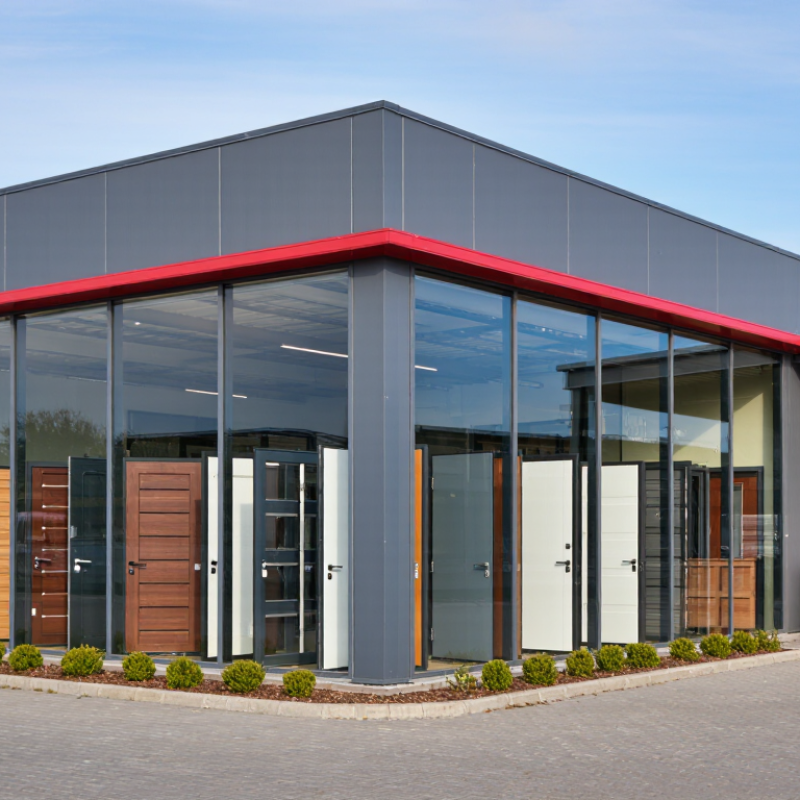
A leading Chinese home door supplier is defined by more than a large catalog. Global buyers need evidence of stable production, accurate specifications, and dependable communication. An experienced supplier should explain how doors are engineered for different climates, wall openings, and installation methods. Ask for material samples, sectional drawings, and recent quality records. Small details matter. A clear answer about moisture resistance can reveal real technical knowledge.
Reliable suppliers control each production stage, from timber drying and panel pressing to hardware fitting and final inspection. Their teams should verify dimensions, surface finish, glass safety, and packaging strength before shipment. Factory photographs help, but independent inspection offers stronger evidence. Certifications should match the destination market, not merely decorate a brochure. Professional suppliers also provide installation guides, maintenance advice, and traceable product information.
Experience with international orders is another useful indicator. A capable supplier understands container loading, export documents, lead times, and communication across time zones. They should respond clearly when a design changes or a shipment faces delay. No supplier is perfect. Even a well-managed factory may make a sampling error or underestimate a custom detail. What matters is whether the team records the problem, explains its cause, and corrects it openly. Buyers should compare samples, visit production when possible, and test the supplier’s response before placing a large order.

Selecting the top ten home door suppliers required more than comparing catalog prices. Our review combined supplier interviews, factory records, product samples, and buyer feedback. We examined solid wood, steel, fiberglass, and engineered door production. Each supplier needed consistent specifications, stable capacity, and documented export experience.
Factory assessments focused on practical details. We checked moisture control, panel alignment, coating thickness, hardware fitting, and packaging strength. We also reviewed quality inspection procedures and sample approval methods. A reliable supplier should identify defects before shipment. That sounds basic. It is not always practiced.
Compliance records also influenced the selection. We considered material traceability, product testing, workplace practices, and documentation for different markets. Response speed mattered, especially when drawings or measurements changed. Suppliers received stronger evaluations when they explained limitations clearly. Overpromising reduced confidence. We also compared lead times across normal and peak seasons, because factory schedules can change quickly. No ranking removes every uncertainty. One sample cannot represent every production batch. That is why repeat inspections, written tolerances, and pre-shipment checks remained important. The final list reflects evidence, not advertising claims, while recognizing that each project still needs independent verification.
How the Top 10 Suppliers Were Selected
The ranking framework uses six practical criteria commonly applied by international buyers when evaluating home door manufacturers. Export readiness and product quality receive the highest weighting, followed by customization capability, production capacity, delivery reliability, and after-sales support. The combined weighting equals 100%.
China’s top 10 home door suppliers show a diverse manufacturing landscape. Their profiles include solid wood, engineered wood, steel security, aluminum, and fiberglass door producers. Several suppliers operate automated cutting, CNC routing, powder coating, and moisture-control lines. Others remain highly dependent on manual finishing. That difference matters.
Industry reports offer useful context. Grand View Research values the global doors market at tens of billions of dollars, with renovation and residential construction supporting demand. Mordor Intelligence also identifies Asia-Pacific as a major growth region. However, market estimates differ by product scope and reporting year. Buyers should treat statistics as direction, not proof. A supplier’s export history, factory audit, and test records provide stronger evidence.
Tips: Ask each shortlisted supplier for recent test reports, material specifications, and production photos. Check fire, air-leakage, water-penetration, and wind-load performance where required. Confirm packaging details, including corner guards and moisture barriers. Small details can prevent expensive damage. In my experience, the most reliable supplier is not always the largest one. Some mid-sized factories respond faster and control customization better. That is not guaranteed. Buyers should compare lead times, sample quality, warranty terms, and communication records. The ideal shortlist may include suppliers with different strengths, rather than ten similar factories.
| Profile | Primary Product Focus | Common Door Materials | Typical Customization | Typical MOQ | Indicative Production Lead Time | Common Export Regions | Relevant Compliance Options | Best Fit for Global Buyers |
|---|---|---|---|---|---|---|---|---|
| Profile 01 | Interior wooden doors | MDF, veneer, engineered wood, solid wood components | Door size, veneer, paint color, glazing, hardware preparation | 50–100 sets | 25–45 days | North America, Europe, Middle East, Southeast Asia | FSC wood options, CARB Phase 2 or E1 board options, ISO 9001 systems | Residential developers, distributors, and renovation projects |
| Profile 02 | Steel security entry doors | Galvanized steel, cold-rolled steel, stainless steel hardware | Panel design, color, lockset, cylinder, frame depth, threshold | 30–80 sets | 30–50 days | Europe, Africa, Middle East, Latin America | CE-related component options, corrosion-resistant coating options, ISO 9001 systems | Security-focused housing and apartment entrance projects |
| Profile 03 | Aluminum entrance doors | Aluminum alloy profiles, insulated glass, composite panels | Thermal-break profile, finish, glazing, dimensions, access-control preparation | 20–60 sets | 30–55 days | Europe, Australia, North America, Middle East | CE documentation support, low-emission glass options, powder-coating specifications | Modern homes requiring durable and low-maintenance entrances |
| Profile 04 | PVC and uPVC doors | uPVC profiles, galvanized reinforcement, insulated glass | Profile color, opening style, glazing, hardware, mosquito-screen integration | 30–100 sets | 25–45 days | Europe, Central Asia, Africa, South America | Weather-performance documentation, low-E glass options, ISO-based quality control | Cost-conscious housing projects and replacement-window programs |
| Profile 05 | Fire-rated residential doors | Steel, mineral core, fire-rated glass, intumescent seals | Fire-rating duration, vision panel, closer, panic hardware, finish | 20–50 sets | 35–60 days | Middle East, Europe, Southeast Asia, Africa | Project-specific fire-test reports, smoke-control options, third-party inspection support | Multi-family buildings and projects with documented fire-safety requirements |
| Profile 06 | Moulded and flush interior doors | MDF, honeycomb or solid-core construction, laminate or paint finish | Groove pattern, laminate, hinge position, bore location, packaging | 100–300 door leaves | 20–40 days | North America, Europe, Australia, Southeast Asia | Low-formaldehyde board options, FSC material options, packaging inspection | Large-volume residential interiors and standardized housing programs |
| Profile 07 | WPC and composite doors | Wood-plastic composite, PVC skins, aluminum or steel reinforcement | Surface texture, color, moisture-resistant core, size, hardware | 50–150 sets | 25–45 days | Middle East, Southeast Asia, Africa, Latin America | Moisture-resistance testing, low-maintenance surface options, ISO-based quality control | Humid climates, bathrooms, utility areas, and high-turnover housing |
| Profile 08 | Sliding and barn-style home doors | Solid wood, engineered wood, aluminum, tempered glass, steel hardware | Track length, panel design, glazing, soft-close system, mounting method | 30–100 sets | 25–50 days | North America, Europe, Australia, Middle East | Tempered-glass options, load-rating documentation, hardware inspection | Interior designers, residential retailers, and space-saving renovations |
| Profile 09 | Luxury solid-wood doors | Oak, ash, walnut, teak, engineered timber cores | Wood species, carving, stain, panel layout, oversized dimensions | 10–30 sets | 45–75 days | North America, Europe, Middle East, Australia | FSC wood options, moisture-content records, custom finishing documentation | Luxury residences, villas, hotels, and bespoke architectural projects |
| Profile 10 | Smart and access-control doors | Steel or aluminum door leaves, electronic locks, reinforced frames | Fingerprint, keypad, card, mobile access, camera, wiring, door size | 20–80 sets | 30–60 days | Southeast Asia, Middle East, Europe, North America | Applicable electrical-safety documentation, CE-marked component options, access-control integration testing | Smart-home projects, serviced apartments, and technology-oriented housing |
Note: MOQ and lead-time figures are typical planning ranges for export orders and should be confirmed according to specifications, certification requirements, order quantity, and shipping conditions.
When comparing China’s top ten home door suppliers, start with product fit. Common options include entry doors, interior doors, sliding doors, pocket doors, and patio systems. Some suppliers also produce acoustic, moisture-resistant, or fire-rated doors. Fire-rated models require verified testing for the destination market. Do not rely only on a catalog image.
Material choice changes both performance and appearance. Solid wood offers warmth but may react to humidity. Engineered wood provides better dimensional stability and supports consistent finishes. Steel improves security and durability, while aluminum suits wide glass openings and modern façades. WPC can resist moisture in selected interior applications. Samples matter. A printed color card rarely shows the real grain, edge detail, or surface texture.
Customization may include non-standard sizes, veneer patterns, paint colors, glass layouts, hinges, locks, seals, thresholds, and packaging. Experienced buyers should request shop drawings, material specifications, test reports, and a clear tolerance list. Factory audits can reveal details that sales photos hide, such as uneven assembly areas or weak protection during loading. Small errors happen. A door may match the approved sample but still need better hardware alignment. Confirm opening direction, wall thickness, climate conditions, and installation method before production. Suppliers that document revisions and inspect each batch usually create fewer costly surprises.
Global buyers should evaluate home door suppliers through evidence, not attractive catalogs.
Request factory registration, production capacity, export records, and recent quality certificates. A video tour helps, but an independent audit is stronger. Check timber legality, moisture control, hardware testing, and fire-performance documents where required.
Ask each supplier for a complete quotation. It should list door core, surface finish, dimensions, packaging, warranty, payment terms, and Incoterms. Order a production sample, not a showroom sample. Measure frame squareness, seal compression, hinge alignment, and surface consistency. Small defects become expensive after installation. A perfect scorecard is impossible, but undocumented claims should reduce confidence.
UNEP’s 2023 Global Status Report states that buildings and construction produced 37% of global energy and process-related emissions in 2022. Door specifications should reflect this pressure. Compare insulation values, responsible material sourcing, repairability, and packaging waste. Do not select the lowest price automatically. A cheaper door may require thicker packaging, more replacements, or costly onsite adjustments. Require third-party inspection before shipment, with photographs, moisture readings, carton counts, and signed inspection records. Suppliers may resist. That resistance is useful information.