Best House Doors for Your Home Design Needs?
When designing your dream home, the choice of house doors plays a crucial role. House doors not only enhance the aesthetic appeal but also provide security and energy efficiency. They serve as the first line of defense against the elements and intruders. Choosing the right doors requires careful consideration of styles, materials, and functionality.
Consider the various designs available. From modern to traditional, the options are vast. You may find it challenging to decide which fits your home's character. Some doors can appear stunning but may not offer the best insulation. This is where research and expert advice come in. Quality matters; you want doors that stand the test of time.
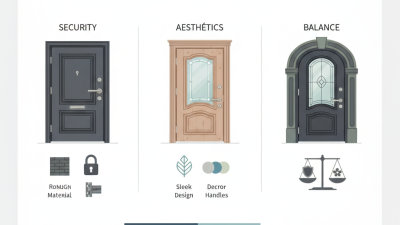
The emotional aspect cannot be overlooked. The right house doors contribute to your home's ambiance and curb appeal. They invite guests in and ensure privacy. However, remember that beauty should not compromise durability. Evaluate your needs and reflect on the balance between style and practicality. Making informed choices will lead to a satisfying result in your home design.
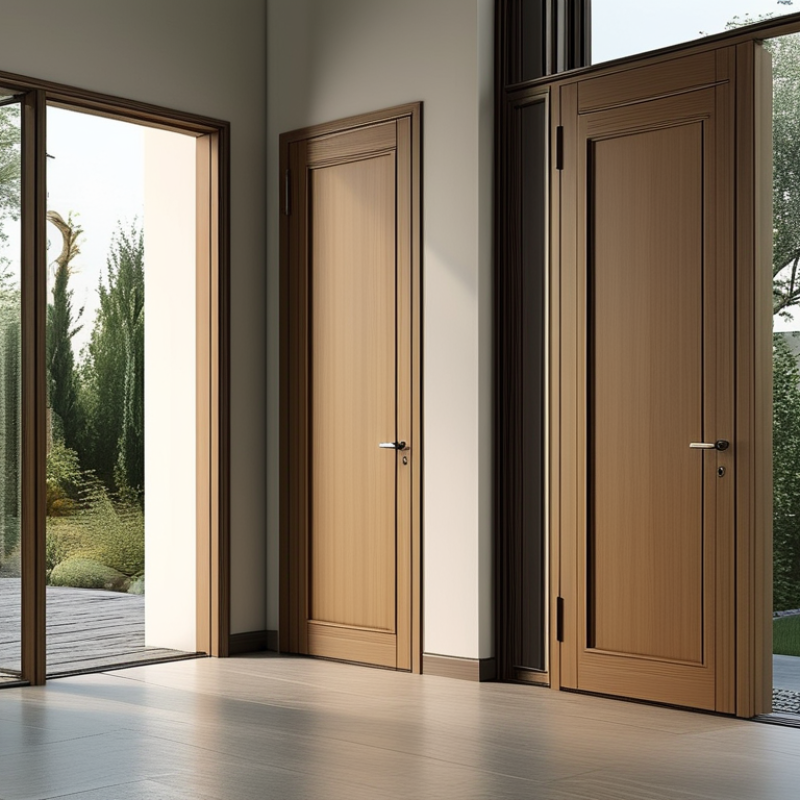
Understanding Different Types of House Doors for Home Design
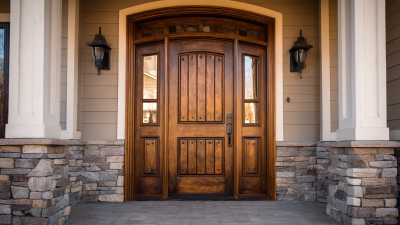
Choosing the right door for your home can be a challenging task. There are various types, each with unique features. Consider the style and material that best suits your home's design. Traditional wooden doors exude warmth and charm. They can enhance curb appeal but may require regular maintenance. Steel doors offer durability and security. They resist weather damage but can lack the aesthetic charm of wood.
Another option is fiberglass doors. These are energy-efficient and can mimic wood without rotting. However, some may find them less sturdy than metal or wood. When selecting a door, think about your local climate. Extreme weather can impact durability and aesthetics. Additionally, reflect on your lifestyle. A family with pets might need a more robust design.
Don’t overlook the importance of color and finish. This can tie your door into the overall design scheme. A vibrant color can make a statement, while neutrals can offer a subtle elegance. The door's style should speak to your personality. Remember, the door is often the first impression of your home. Thus, it should be functional yet represent your taste.
Best House Doors for Your Home Design Needs
| Door Type |
Material |
Insulation |
Security Rating |
Style |
Average Cost ($) |
| Fiberglass |
Fiberglass |
High |
Moderate |
Contemporary |
1,200 |
| Wood |
Solid Wood |
Moderate |
High |
Traditional |
1,800 |
| Steel |
Steel |
High |
Very High |
Industrial |
800 |
| Vinyl |
Vinyl |
High |
Moderate |
Modern |
900 |
| Aluminum |
Aluminum |
Moderate |
High |
Contemporary |
1,000 |
Key Materials for House Doors: Aesthetic and Durability Considerations
Choosing the right materials for house doors is crucial for both aesthetics and durability. Wood, for instance, offers a warm, inviting appearance. It can be customized with various stains and finishes. However, wood may warp over time, especially in humid climates. This can be a significant concern for homeowners who prioritize longevity.
Fiberglass doors are another option. They are known for their exceptional resistance to weathering. A fiberglass door can mimic the look of wood. It also typically requires less maintenance. Yet, some may find them less visually appealing compared to solid wood. The choice often boils down to a balance between beauty and practicality.
Steel doors are sturdy and secure. They provide excellent insulation. On the downside, they can dent easily and are prone to rust if not properly maintained. Overall, the ideal door material should align with your design vision while considering its functionality. Exploring different materials can help you find the best fit for your home.
Best House Doors Material Comparison
This chart compares the durability ratings of various house door materials. Wood and steel generally provide the best durability, while aluminum shows the lowest rating. When choosing a door, consider both aesthetics and durability based on your home design needs.
Style Matching: Choosing Doors that Complement Your Home's Architecture
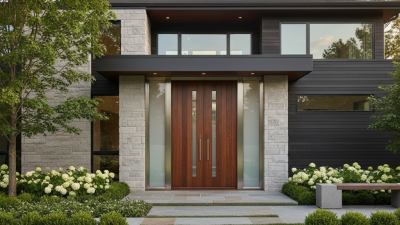
When it comes to selecting doors for your home, style matching is crucial. A door is not just an entryway; it sets the tone for your entire design. Consider the architecture of your home. A traditional house may call for ornate wooden doors, while a modern home can benefit from sleek glass or metal options. Each choice should reflect the overall aesthetic.
Think about details like color and texture. Light-colored doors can brighten a dark entryway, while darker tones might lend a cozy feel. Wood grains add warmth, and smooth finishes bring a contemporary vibe. The right door engages visitors and creates a harmonious transition from outside to inside.
Don't overlook the importance of functionality alongside style. A beautifully crafted door may require regular upkeep, which can be a hassle. Ensure your door not only looks good but is practical, too. Explore various designs, and remember, it's okay to feel uncertain during the decision-making process. Each option offers unique benefits and challenges. Making a choice can involve reflection about how it will serve your home in the long run.
Energy Efficiency in House Doors: What You Need to Know
When selecting house doors, energy efficiency is a crucial factor. According to the U.S. Department of Energy, an estimated 30% of a home's energy loss occurs through doors and windows. Choosing the right door can significantly reduce this loss. Doors with high insulation values, like fiberglass and insulated steel, help maintain indoor temperatures. This can result in lower heating and cooling costs.
Research indicates that homeowners can save up to $500 annually by upgrading to energy-efficient doors. However, not all doors are created equal. Factors such as air leaks and thermal performance should be assessed. The National Association of Home Builders recommends looking for doors with a U-factor of 0.30 or less for optimal energy savings. Additionally, ensuring proper installation is vital. Even the most energy-efficient door can lose effectiveness if not sealed correctly.
While aesthetics matter, functionality should not be overlooked. An attractive door that lacks energy efficiency can lead to unnecessary expenses. Also, consider the local climate. In warmer regions, reflective doors may work best, while cooler areas require robust insulation. Balancing style and efficiency can be challenging and may require deeper reflection on your home's specific needs.
Security Features to Consider in Selecting House Doors for Your Home
When selecting house doors, security is paramount. A sturdy door serves as the primary barrier against intruders. Many homeowners overlook the necessity of robust materials. Wood, steel, and fiberglass can offer varying levels of protection. Make sure to choose doors that are reinforced. Hollow-core doors provide less security than solid-core options. This choice affects your home's vulnerability significantly.
Another critical aspect is the locking mechanism. Deadbolts provide superior security compared to regular locks. Consider door systems with multiple locking points. These add an extra layer of protection. In addition to this, the doorframe should be strong enough to resist forced entry. Pay attention to the quality of hinges as well. Weak hinges can compromise even the sturdiest doors.
Homeowners might also reflect on window placement and visibility. Doors with glass inserts can be attractive but pose risks. Consider security films or laminated glass to prevent easy break-ins. Regular maintenance is crucial too. A well-closed door can deter many potential threats. Assessing your home’s unique vulnerabilities can guide your decision-making process effectively.