Essential Tips for Choosing the Best Shop Door for Your Business?
Choosing the right shop door is crucial for any business. A well-chosen door not only enhances security but also boosts aesthetic appeal. It creates a welcoming atmosphere for customers and promotes brand identity. However, many business owners overlook this important aspect. They often rush the decision or choose based on price alone.
When selecting a shop door, consider material, style, and functionality. Wooden doors offer classic appeal, while aluminum can provide modern durability. Glass doors can attract customers but may lack privacy. Each option has its pros and cons. Reflecting on these factors can lead to better long-term choices.
Additionally, think about safety features. Are you prioritizing security? Ensure your door has robust locking mechanisms. Sometimes, businesses neglect this aspect, putting their assets at risk. A thoughtful approach to your shop door can be a pivotal step in establishing a successful business environment.

Understanding the Importance of a Quality Shop Door for Your Business
A quality shop door plays a crucial role in your business's first impression. Studies show that about 70% of customers recognize a brand based on its storefront appearance. This highlights the importance of selecting a door that aligns with your brand identity. A well-designed door can attract foot traffic and enhance visibility.
Moreover, security cannot be overlooked. According to industry reports, businesses with high-quality security features can reduce theft and vandalism by up to 50%. While a visually appealing door is essential, it should also provide adequate protection. Many shop owners underestimate the value of robust locks and materials designed to withstand tampering. Reflecting on this aspect can mitigate potential financial losses.
Energy efficiency also matters. An insulated door can save businesses between 10% to 30% on energy costs annually. This investment pays off over time. Choosing the right material can maintain your indoor climate and reduce heating or cooling demands. However, not every option provides the same energy efficiency. It's critical to research available products that suit your specific needs.
Essential Tips for Choosing the Best Shop Door for Your Business
| Feature |
Importance |
Considerations |
| Material |
Durability and security |
Consider metal for security, wood for aesthetic appeal |
| Style |
Brand image and customer attraction |
Choose a style that matches your business theme |
| Insulation |
Energy efficiency and comfort |
Look for doors with good insulation ratings |
| Accessibility |
Compliance with laws and ease of access |
Ensure it meets ADA requirements if necessary |
| Budget |
Financial feasibility |
Balance quality and cost |
| Security Features |
Protection against theft and vandalism |
Look for advanced locking systems |
Assessing Different Types of Shop Doors: Materials and Styles
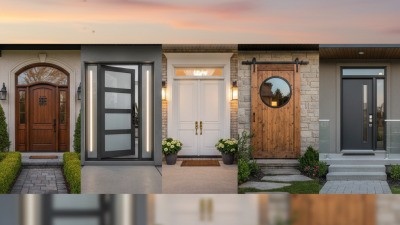
When selecting a shop door, materials and styles play a crucial role. Wooden doors offer warmth and a classic appeal. They can be customized to fit various aesthetics. However, they may require more maintenance and can warp over time. Steel doors are more durable and secure, ideal for high-traffic environments. They resist severe weather but might lack the charm of wood.
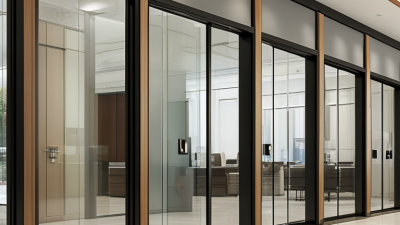
Glass doors create a spacious feel, inviting customers inside. They enhance visibility for displays but can pose privacy concerns. If your business is in a bustling area, consider a heavy-duty glass option for better safety. Vinyl doors provide a lightweight and low-maintenance alternative. They come in various colors and designs but may not withstand harsh conditions as well as metal.
Choosing the right door is about balancing functionality and style. Reflect on your shop's image and the message you want to convey. A door should reflect your brand's identity while meeting practical needs. Each option has its pros and cons, so evaluate carefully. Don't hesitate to seek expert advice if needed. Hiring a professional can help ensure your investment is sound.
Evaluating Security Features in Shop Door Options
Choosing the right shop door involves careful consideration of security features. The door is often the first line of defense against theft and vandalism. When evaluating options, look for materials that resist forced entry. Steel and reinforced glass are reliable choices. A sturdy frame also adds extra protection. The weight and thickness of the door matter significantly. Heavier doors typically offer better security.
Locks play a crucial role as well. Consider options like deadbolts or smart locks. These provide enhanced security through advanced technology. Ensure the lock mechanisms are durable and easily operable. Poorly functioning locks can lead to vulnerabilities. Regular maintenance of these components is essential for reliability.
Don't forget about additional features. Security cameras near doorways can act as a deterrent. They can monitor activities at all times. However, installing a camera without proper signage can sometimes raise privacy concerns among customers. Always weigh the benefits against potential drawbacks. Thinking beyond the basic door design helps in creating a secure business environment.
Considering Energy Efficiency and Insulation for Shop Doors
When selecting a shop door, energy efficiency and insulation should be top priorities. Research from the Department of Energy indicates that commercial buildings can save up to 30% on heating and cooling costs with proper insulation. A well-insulated shop door minimizes energy loss, which is vital for both sustainability and cost control.
Evaluate the insulation ratings of different doors. Look for doors with high R-values, which indicate better insulation properties. A solid door with an R-value between 5 and 10 can significantly enhance energy retention. The initial investment might be higher, but the long-term savings can justify the expense.
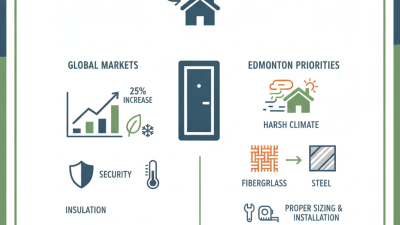
Consider the door's materials. Metal, fiberglass, and insulated wood perform differently in terms of energy efficiency. Metal doors can conduct heat but may feature insulated cores. Fiberglass doors typically provide excellent insulation but require careful consideration regarding longevity. Reflect on your shop's location, as climate impacts how insulation performs over time.
Ensure the door fits tightly within its frame. Air leaks can undermine even the best insulation. Employing weather stripping can enhance efficiency. Regularly evaluate the door for wear and tear will also help maintain its performance. An energy-efficient door supports lower utility bills and a comfortable shopping environment.
Budgeting for Your Shop Door Installation and Maintenance Costs
When planning for a shop door installation, budgeting is crucial. Consider not only the initial purchase price but also the costs associated with maintenance. A high-quality door might be more expensive upfront, but it may save money in repairs and replacements later. Think about what materials suit your business environment. Different options come with varying price tags.
Maintenance costs can add up over time. Regular inspections and timely repairs can prevent larger issues. Allocate a specific amount in your monthly budget for upkeep. This proactive approach helps minimize surprise expenses. Is your door experiencing frequent problems? Reflect on whether it's time to invest in a replacement or upgrade.
Be mindful of installation expenses as well. Hiring an expert may seem costly, yet their experience ensures correct installation. Incorrectly fitted doors can lead to security issues and higher energy bills. Create a realistic budget that balances quality and affordability. Your shop door is the first impression for customers; investing wisely is essential.
Budgeting for Your Shop Door Installation and Maintenance Costs