Top 10 Commercial Interior Doors for Your Business Needs?
When designing a commercial space, choosing the right commercial interior doors is essential. These doors are often overlooked, yet they serve critical functions. They provide privacy, aid in sound insulation, and enhance overall aesthetics. Selecting the right options can significantly affect the ambiance of your business.
Many businesses face challenges in finding doors that match their needs. The variety of styles, materials, and functions can be overwhelming. From glass doors that promote openness to solid doors that provide security, the choices are vast. It’s crucial to consider not only appearance but also durability and functionality.
Investing in quality commercial interior doors can elevate your space. They should reflect your brand while meeting practical needs. However, some may hesitate, fearing high costs. Ultimately, balancing budget with quality is an ongoing challenge. Thoughtful selection can lead to long-term benefits, making it worthwhile to examine your options carefully.
Overview of Commercial Interior Doors: Importance and Functionality
Commercial interior doors play a crucial role in any business. They define spaces, enhance privacy, and contribute to the overall aesthetic. When selecting the right door, consider functionality and design. A well-chosen door not only serves a purpose but also complements the workspace.
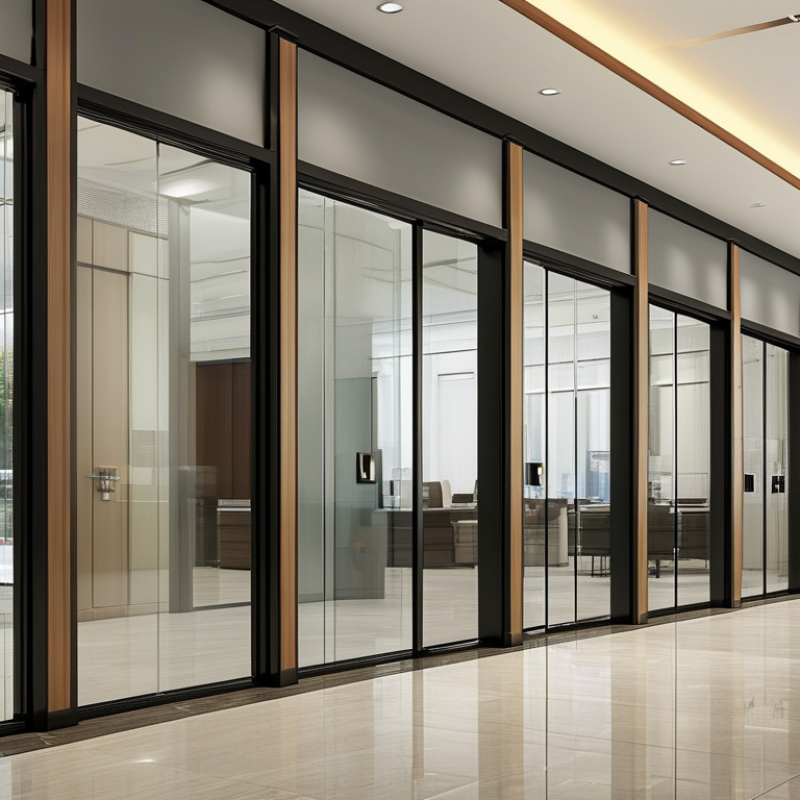
Different materials offer unique benefits. For instance, solid wood doors provide durability and sound insulation. On the other hand, glass doors lend a modern touch while allowing natural light to flow. A combination of styles is often necessary, as businesses may have diverse needs. Customization can bridge gaps in design and utility.
However, selecting the right door can be challenging. Many businesses overlook maintenance needs over time. Some may find their doors warp or crack, requiring replacement. Balancing budget constraints with quality can also be problematic. Businesses should reflect on their specific requirements and how doors can impact both functionality and work atmosphere.
Top 10 Commercial Interior Doors for Your Business Needs
| Door Type |
Material |
Fire Rating |
Soundproofing |
Typical Use |
| Hollow Core Door |
Hollow Particle Board |
1 Hour |
Moderate |
Office Spaces |
| Solid Core Door |
Wood Composite |
1-3 Hours |
High |
Meeting Rooms |
| Flush Door |
Steel or Wood |
1 Hour |
Low |
Service Areas |
| Glass Door |
Tempered Glass |
N/A |
Low |
Entry Points |
| Double Door |
Wood or Metal |
1-2 Hours |
Moderate |
Large Spaces |
| accordion Door |
Vinyl or Plastic |
N/A |
High |
Dividing Spaces |
| Steel Door |
Steel |
3 Hours |
Moderate |
Industrial Use |
| Bi-fold Door |
Composite Materials |
N/A |
Moderate |
Airports, Large Venues |
| Folding Door |
Aluminum or Plastic |
N/A |
Low |
Shopfronts |
| Acoustic Door |
Solid Wood or Steel |
N/A |
High |
Recording Studios |
Materials Commonly Used in Commercial Interior Doors for Durability
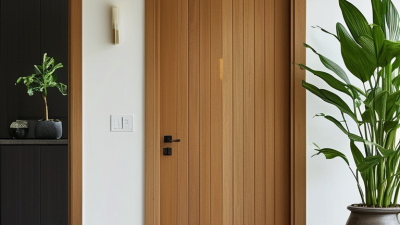
When selecting commercial interior doors, material choice is crucial for durability and functionality. Common materials include solid wood, steel, and fiberglass. Solid wood doors provide a classic look and decent insulation. However, they can warp over time in humid conditions, requiring maintenance.
Steel doors stand out for their strength and security. They resist dents and scratches, making them ideal for high-traffic areas. According to industry reports, steel doors can withstand up to 15 times the impact of traditional wooden doors. This durability makes them a preferred choice for schools and hospitals, where safety is a priority.
Fiberglass doors offer another intriguing option. They mimic the appearance of wood while providing superior moisture resistance. This makes them suitable for areas prone to dampness. Nevertheless, fiberglass can be less robust than steel in impact situations. It's essential to balance aesthetic needs with pragmatic concerns when choosing the right door for your business environment.
Top Styles of Commercial Interior Doors for Different Business Environments
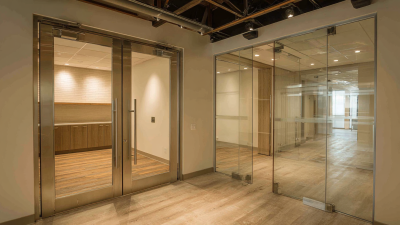
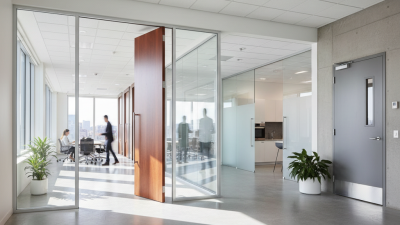
Choosing the right commercial interior doors is crucial for every business. Different environments have unique needs. For instance, in healthcare settings, doors must be durable and easy to clean. A solid core door can prevent sound from traveling, fostering a peaceful atmosphere. In busy offices, glass doors offer a modern touch while allowing natural light to flow. This can enhance productivity and improve morale, but privacy could be a concern.
Retail spaces benefit from doors that are inviting and visually appealing.
French doors can create an open and welcoming entry. They blend style with functionality, but they may require more maintenance than standard options. For warehouses, heavy-duty steel doors provide security and longevity. They withstand wear and tear but may lack aesthetic appeal. Finding the right balance between function and design is often challenging. Each choice impacts both the operational efficiency and the customer experience.
Key Factors to Consider When Choosing Commercial Interior Doors
When selecting commercial interior doors, several critical factors come into play. First, consider the materials used. Wood, metal, and glass all offer unique benefits. Wood provides warmth, while metal is durable and resistant to damage. Glass doors can create an open atmosphere but may require more maintenance and privacy solutions.
Next, think about the door's purpose and placement. Is it a high-traffic area? Look for options that can withstand daily use. Acoustic performance also matters if sound isolation is crucial. Evaluate the design as well. A door needs to blend with the business's overall aesthetic. However, striking a balance between form and function can be challenging. Many overlook this aspect, leading to mismatched designs.
Budget is another significant consideration. High-quality doors often come with a higher price tag. It's essential to weigh the upfront cost against long-term durability and maintenance. Balancing these elements can be complicated, but it’s crucial for making the best choice. Taking the time to reflect on all these factors can lead to a more informed decision.
Maintenance Tips for Longevity of Commercial Interior Doors in Businesses
Maintaining commercial interior doors is essential for ensuring longevity and functionality. Regular inspections can help identify wear and tear. Check for scratches, dents, or misalignment, which can affect performance. Keep hinges lubricated to avoid squeaking. This simple task can prevent further damage down the line.
Cleaning is another key aspect. Remove dust and grime using a soft cloth. Specific cleaning agents can help with tough stains, but should be tested first on a small area. Avoid using abrasive materials, as they may damage the finish. Replace any broken hardware promptly to prevent further issues.
It’s also important to consider humidity and temperature. Wood doors may warp or swell if exposed to excessive moisture. Install proper ventilation in areas prone to humidity. Regular maintenance can feel tireless, but it’s more effective than costly repairs or replacements. Ensuring your doors remain functional enhances the overall aesthetic and safety of your business space.
Top 10 Commercial Interior Doors for Your Business Needs
This chart displays the average lifespan (in years) of different types of commercial interior doors commonly used in businesses, along with their maintenance frequency (times per year). Proper maintenance can significantly enhance the longevity of these doors.