Top China Exterior Doors for Global Buyers in 2026?
As the global demand for exterior doors continues to rise, insights into the Chinese market in 2026 are crucial. A recent report by Market Research Future shows that the exterior door market is projected to grow at a compound annual growth rate (CAGR) of 6.2% from 2023 to 2028. This growth highlights the increasing importance of exterior doors in enhancing home security, energy efficiency, and aesthetics.
Experts like John Harlow, a renowned analyst in the building materials sector, emphasize the significance of selecting high-quality exterior doors: "The right exterior door can transform a home’s facade and improve energy savings." His assertion underlines the need for global buyers to focus on quality when sourcing from China. However, not all products meet the same standard.
Some manufacturers prioritize cost over quality, leading to potential issues. Buyers should remain vigilant in their selection process, ensuring they partner with reputable suppliers. The nuances of the Chinese market require careful consideration and knowledgeable decision-making for a successful investment in exterior doors.
Top Trends in Exterior Door Design for Global Markets in 2026
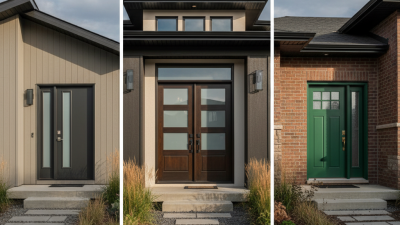
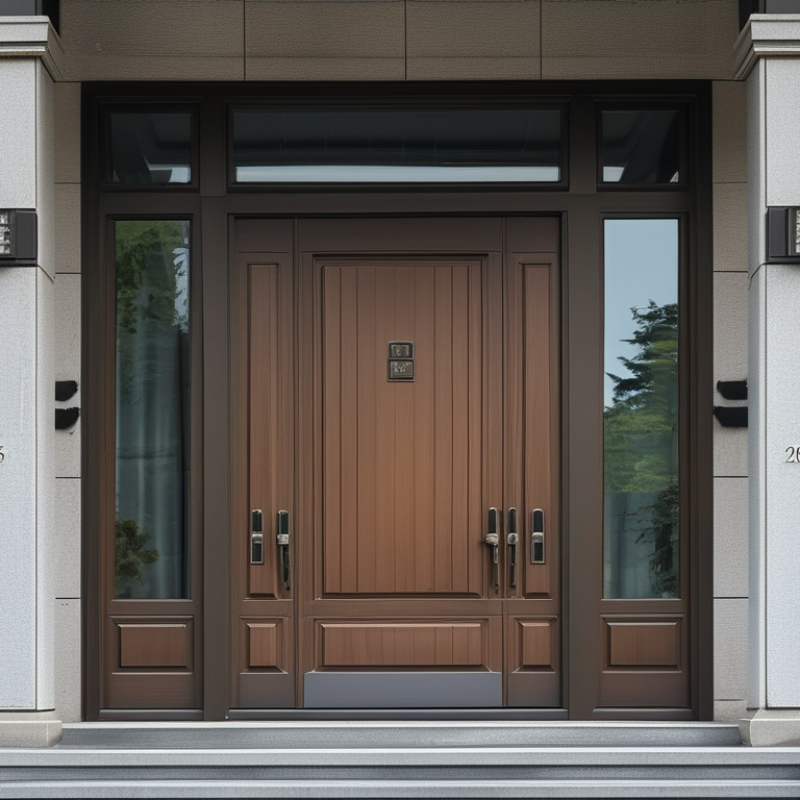
Exterior doors are evolving rapidly. In 2026, global buyers will see trends reflecting sustainability, security, and aesthetics. Many prefer materials like composite and fiberglass. These materials offer durability and energy efficiency. Wood may still appeal, but it requires more maintenance.
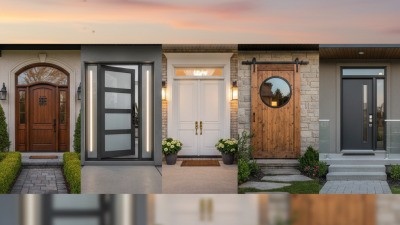
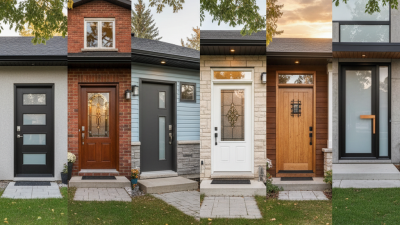
Color choices will shift. Bold hues and natural finishes will gain popularity. This shift reflects modern tastes that desire personality in exterior elements. Unique designs, such as arched or oversized doors, are increasingly common. A door should not just be functional but also an expression of style.
Consider the climate in your region. Not every material withstands extreme weather. Look for doors that offer good insulation. This can reduce energy bills. Pay attention to security features that complement these designs. Lock technology has advanced significantly.
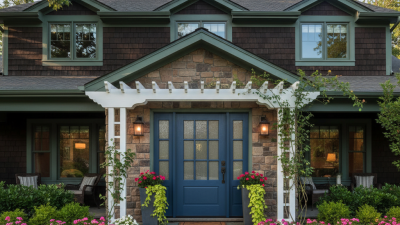
When choosing an exterior door, think about the entire home's look. The door should harmonize with windows and trims. Design can sometimes feel overwhelming. It's okay to seek professional help. A fresh perspective can guide you towards the perfect choice.
Top Trends in Exterior Door Design for Global Markets in 2026
Key Material Innovations in China's Exterior Doors for Global Buyers
The exterior door market in China is undergoing significant transformations driven by innovation. Materials such as fiberglass, steel, and engineered wood are becoming increasingly popular. According to the China Construction Materials Association, the fiberglass door segment is expected to grow at an annual rate of 8% through 2026. This growth is attributed to the material's durability, energy efficiency, and aesthetic appeal.
Moreover, the introduction of smart technologies in doors is a notable trend. Smart locks and integrated security systems are being incorporated into exterior doors, enhancing safety for homeowners. A recent report from Statista indicates that the smart door technology sector is estimated to reach $2 billion by 2026, reflecting the rising demand for secure and convenient home entry solutions.
However, challenges remain. The market still faces issues related to quality control and consistency in manufacturing. Some consumers report concerns about the longevity of new materials compared to traditional options. Feedback from global buyers suggests a need for increased transparency in production methods to ensure reliability. Encouragingly, manufacturers are beginning to address these concerns, focusing on improvement and customer satisfaction.
Top China Exterior Doors for Global Buyers in 2026
| Material Type |
Durability Rating |
Insulation Value (R-value) |
Environmental Rating |
Aesthetic Options |
| Composite Wood |
High |
5.7 |
Eco-Friendly |
Custom Finishes Available |
| Fiberglass |
Very High |
5.0 |
Sustainable |
Variety of Textures |
| Steel |
High |
4.5 |
Recyclable |
Limited Colors |
| Aluminum |
Medium |
4.2 |
Energy Efficient |
Modern Look |
| Vinyl |
High |
3.8 |
Low Impact |
Custom Colors Available |
Market Analysis: Demand for China-Made Exterior Doors Worldwide
The global demand for China-made exterior doors is projected to increase significantly in 2026. According to a recent market analysis, the growth is propelled by rising construction activities and home renovations. In particular, the Asia-Pacific region is expected to dominate this market due to its booming real estate sector. Key trends indicate that consumers are leaning towards energy-efficient and sustainable products. This shift reflects a broader commitment to environmental responsibility across many sectors.
Understanding buyer preferences is crucial. A study from the Industry Research Institute indicated that 70% of buyers prioritize durability and design in their choices. Furthermore, cost remains a sensitive issue, with 45% of respondents indicating price as a primary consideration. The quality of materials used in these doors plays a significant role, influencing both consumer satisfaction and brand loyalty.
Ensure that you consider local regulations and standards when sourcing these doors. Regional compliance is essential to avoid legal issues and ensure product safety. Also, inspect for quality certifications that indicate adherence to international standards. Regularly reassessing your supply chain could reveal opportunities for cost efficiency and quality improvement.
Sustainability Practices in China's Exterior Door Manufacturing Industry
In recent years, sustainability has become a focal point in China's exterior door manufacturing industry. Manufacturers are increasingly adopting eco-friendly materials and production processes. According to a report by the China Blue Carbon Initiative, around 40% of the materials used in exterior door production are now recyclable. This shift is not just a trend; it reflects growing consumer demand for greener products.
However, challenges remain. Many manufacturers still rely on traditional materials that are not environmentally friendly. Reports indicate that approximately 30% of door manufacturers have not yet implemented comprehensive sustainability practices. This gap highlights the need for continued education and investment in sustainable technologies.
Moreover, the industry faces scrutiny regarding waste management. A study from the National Building Materials Association reveals that about 25% of production waste is not recycled. This statistic raises concerns about the overall environmental impact. While strides have been made, further improvements are necessary to fully embrace sustainability in the sector.
Regulatory Standards Impacting Exterior Door Exports from China in 2026
As global buyers navigate the exterior door market in 2026, understanding the regulatory standards from China becomes essential. Compliance with international market requirements is crucial for successful exports. New regulations may arise related to safety, energy efficiency, and environmental impact. Keeping abreast of these standards is not merely advisable; it is a necessity.
Manufacturers in China are increasingly focused on meeting these evolving regulations. This shift can lead to improved product quality and performance. However, buyers must verify that the products match the latest standards. It is essential to conduct thorough research on the certifications required for entry into specific markets. This diligence will mitigate risks associated with non-compliance.
Consider engaging with industry experts. Building relationships with compliance consultants can provide insights into navigating the complexities of regulatory demands. Regularly updating your knowledge of shifting regulations can save time and resources. Understanding regulatory impacts will empower buyers to make informed decisions, ultimately improving their market position.