Who Are the Top Interior Door Suppliers in China?
China is a major source of interior doors for residential and commercial projects, with suppliers offering varied materials, finishes, and production capacities. Yet the phrase “top supplier” can mean different things. A hotel developer may prioritize fire-rated specifications and consistent bulk production, while a homeowner may care more about wood grain, color matching, and a quiet, secure close. The right choice depends on the project, not just a polished catalog.
This guide explores leading Chinese suppliers and the practical details buyers should compare. Look beyond product photos: ask about door cores, surface finishes, frame options, customization limits, and packaging for transport. Request current specifications and physical samples where possible. A smooth finish under showroom lighting may look different beside a window at home. Small differences matter.
Supplier claims also deserve careful checking. Confirm production capacity, quality-control steps, export experience, and after-sales support directly, rather than relying on a ranking alone. Ask how measurements are confirmed and how damaged or mismatched items are handled. These questions may feel tedious. They can prevent costly surprises later.
No single manufacturer suits every order, and public information may not reveal how a supplier performs on a specific project. The comparisons ahead offer a starting point, not a guarantee. Use them to shortlist candidates, then verify details against your design, budget, schedule, and local project requirements.
What Defines a Leading Interior Door Supplier in China?
A leading interior door supplier in China does more than quote a low unit price. It can explain how door cores, veneers, finishes, and hardware suit different rooms. Ask for written specifications, including thickness, moisture resistance, fire performance where required, and permitted size tolerances. Details matter. Clear answers are a useful sign of technical competence.
Reliable production is visible in repeatability, not one attractive sample. Compare several doors for even gaps, aligned hinges, smooth edges, and consistent color under natural light. Request a pre-production sample and photos of packaging, labeling, and loading procedures. Then confirm lead times, inspection steps, spare-part support, and how defects are handled. Ask for test reports that match the exact product configuration; generic documents may not prove much. Ask for proof.
Communication matters too. A capable export team should clarify drawings, opening direction, dimensions, and installation conditions before manufacturing begins. Check whether replies remain consistent across sales and technical staff. Factory visits or independent inspections can add confidence, though neither guarantees flawless delivery. No supplier excels at everything. A careful buyer should weigh documented quality, realistic capacity, and responsive after-sales service together. Even this checklist has limits: site conditions and installer skill can affect the finished result.
Main Types of Interior Doors Offered by Chinese Suppliers
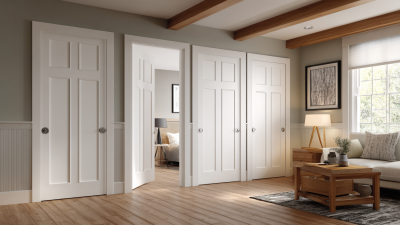
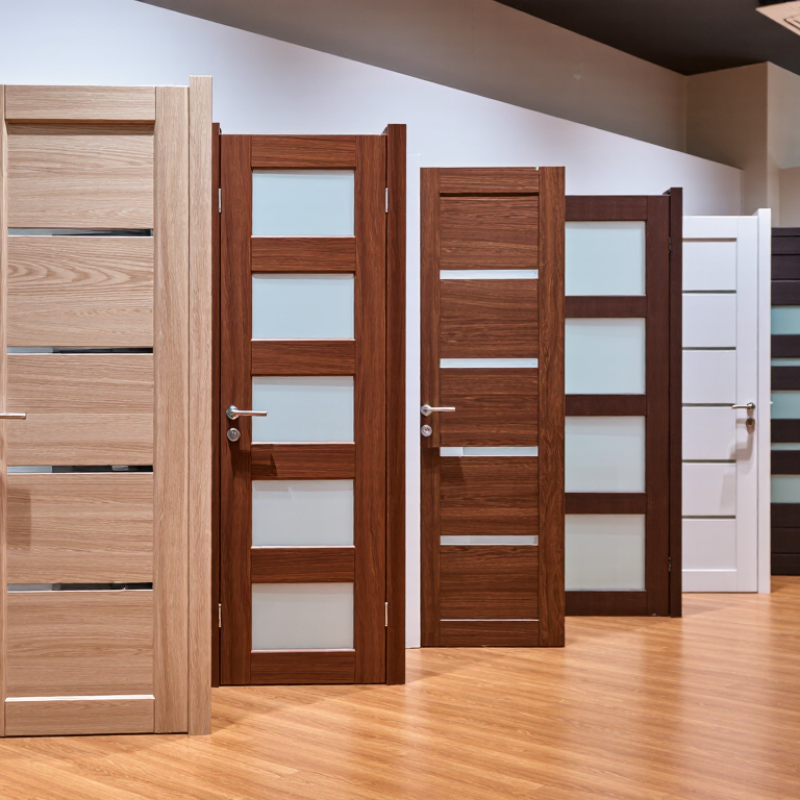
Chinese suppliers commonly offer solid-wood, engineered-wood, molded, flush, and glass-panel interior doors. Each type suits different rooms and budgets. Solid-wood doors show natural grain and feel substantial, but may respond to humidity. Engineered-wood doors use layered construction for more consistent dimensions. They are often practical for apartments with changing indoor temperatures.
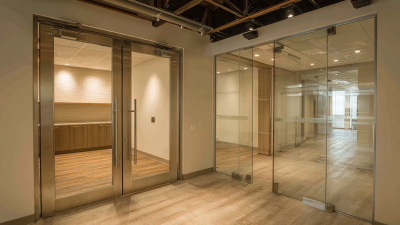
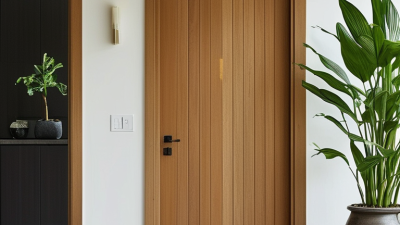
Molded doors have pressed surfaces, sometimes shaped with shallow panels. They can suit bedrooms where a simple finish is preferred. Flush doors offer a plain, flat face and work well in modern interiors. Glass-panel doors bring daylight into darker hallways, though clear glass may reduce privacy. Ask suppliers about core material, surface finish, edge sealing, and available sizes. A detailed specification is more useful than a catalog photo. It still cannot reveal every installation issue.
Tips: Compare a physical sample with your flooring and wall color. Check hinge positions and measure the opening before ordering. For bathrooms, ask about moisture-resistant materials. No single door type is ideal for every room; appearance, privacy, and maintenance involve trade-offs.
Notable Interior Door Suppliers and Their Specialties
Notable interior door suppliers in China often stand out through a specific product strength. Some focus on engineered wood doors for apartments, offering stable cores, veneer or laminate finishes, and consistent sizing. Others specialize in solid-wood doors, where timber selection, moisture control, and finishing quality matter more. A polished showroom is useful, but it cannot show how a door performs after installation. Ask for production samples and details about warping checks.
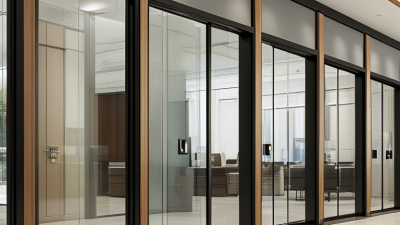
Project-focused suppliers may make acoustic doors for offices or hospitality spaces, while others produce glass and aluminum designs for modern interiors. For these products, compare measured performance, hardware compatibility, and installation requirements. If a door needs to meet a project standard, request relevant test documents and confirm that they apply to the exact model. Supplier claims can sound similar. The details are not always clear, and that deserves a second look.
Tips: Share the wall opening dimensions, finish expectations, and expected order volume before requesting a quote. Ask who handles packing and replacement parts. Check samples in natural light.
Who Are the Top Interior Door Suppliers in China? - Notable Interior Door Suppliers and Their Specialties
The profiles below describe common Chinese interior-door supplier categories, not a ranked list of named companies. Capabilities and compliance vary by manufacturer and product.
| Supplier category |
Typical specialty |
Common products and materials |
What to verify when sourcing |
| Solid-wood door manufacturers |
Natural-wood appearance and made-to-order designs for residential interiors. |
Solid timber or engineered wood constructions with wood veneer or other finishes. |
Wood species, construction details, moisture control, finish samples, and dimensional tolerances. |
| Engineered-wood and MDF door manufacturers |
Consistent finishes and repeatable production for residential developments and interior fit-outs. |
MDF or other engineered-wood faces, with painted, laminated, or veneered finishes. |
Core and face materials, edge treatment, hardware preparation, and performance documentation for the intended use. |
| WPC door manufacturers |
Moisture-tolerant door options for areas where exposure to humidity is a consideration. |
Wood-plastic composite components, often offered with decorative surface finishes. |
Exact material composition, installation conditions, hardware compatibility, and test evidence for any claimed performance. |
| Fire-rated door manufacturers |
Door assemblies intended for projects with specified fire-resistance requirements. |
Rated door leaves and compatible frames, seals, and hardware, depending on the tested assembly. |
Applicable local code, valid test reports or certification, rating period, and whether the complete assembly matches the approved configuration. |
| Project and hospitality door suppliers |
Coordinated door packages for hotels, apartments, offices, and other multi-unit projects. |
Interior door leaves, frames, finish options, and project-specific hardware preparation. |
Shop drawings, finish approvals, scheduling, packaging, installation interfaces, and replacement-part support. |
| OEM/ODM export manufacturers |
Contract production or customized designs for overseas importers and distributors. |
Product ranges vary and may include engineered-wood, solid-wood, or composite interior doors. |
Factory audit, approved samples, quality-control process, export packaging, trade terms, and destination-market requirements. |
Before placing an order, confirm product specifications and independently check any claimed certifications against the requirements of the destination market.
How to Compare Suppliers on Quality, Price, and Service
Comparing Chinese interior door suppliers means checking evidence, not polished showroom photos.
Request the same specifications from each: leaf thickness, core material, frame construction, finish, hardware, and packaging. Ask for test reports and inspect a sample under bright light; uneven edges and bubbling veneer can be easy to miss.
Ask for proof. Dodge Data & Analytics’ 2021 World Green Building Trends report found that 42% of respondents expected green building to make up more than 60% of their projects by 2024. That broader construction trend makes documented material and performance claims worth checking, not simply accepting.
Compare total delivered cost, not just the unit quote. Include tooling, packing, freight, spare parts, and the process for replacing damaged or defective doors. A low price can become expensive when measurements vary or shipments arrive late.
I would still give too much weight to a neat quotation; it cannot show how a supplier handles a real problem. Ask for recent production photos and a written tolerance range.
Service matters after the deposit. PwC’s 2018 Future of Customer Experience survey reported that 73% of consumers consider experience an important purchasing factor. For a door order, define response times, sample approval steps, production updates, and who resolves quality claims.
Test the process with a detailed question before ordering. A fast reply is useful, but a specific answer is better. Keep the comparison sheet simple, and record what each supplier will commit to in writing.
Key Steps for Sourcing Interior Doors from China
Sourcing interior doors from China starts with a clear specification, not a broad request for the lowest price. List dimensions, opening direction, core type, finish, hardware preparation, and any acoustic or fire-performance needs. Ask suppliers to confirm tolerances in writing. A few millimeters can affect installation along an entire hallway. Request factory details, production photos, and relevant project references. A polished catalog is not enough.
Order a sample and check its weight, surface, edge sealing, and hardware cutouts against your drawings. Measure it yourself. Ask how the factory controls moisture and handles defects during production. Confirm packaging details, such as corner protection and pallet wrapping, before approving the order. For larger shipments, agree on inspection timing and acceptance criteria in advance. Keep the approved sample, drawings, and purchase terms consistent; small revisions can slip through. It is easy to focus on unit price and underestimate freight, lead time, or rework. Compare complete quotations, and leave room to revisit assumptions.