Top 10 Commercial Interior Door Manufacturers in China
Choosing commercial interior doors is not just a matter of matching a finish to a lobby. The right door must suit daily traffic, privacy needs, sound control, hardware, and the building’s design. A busy office corridor asks different things of a door than a hotel suite or clinic. Small details matter: a solid-feeling core, a clean edge, a latch that closes smoothly, and a finish that withstands repeated contact.
Architect Frank Lloyd Wright wrote, “Form and function should be one, joined in a spiritual union.” That principle offers a useful lens for comparing manufacturers. This guide to the Top 10 Commercial Interior Door Manufacturers in China considers product range, material options, customization, quality-control information, and the practical clarity of each supplier’s specifications. These are comparison points, not a guarantee that every product fits every project. Buyers should confirm test documentation, dimensions, lead times, and hardware compatibility directly with manufacturers.
There is no perfect shortlist. Catalog descriptions can sound similar, while real differences appear in samples, tolerances, and service. A polished photograph cannot reveal how a door feels after hundreds of daily openings. Not a small detail. Use this list as a starting point, then compare samples and project requirements before making a decision. The aim is practical: find suppliers whose commercial interior doors balance appearance, performance, and dependable communication.
Commercial Interior Doors in China: Scope and Main Types
Top 10 Commercial Interior Door Manufacturers in China
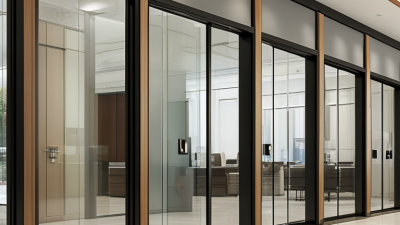
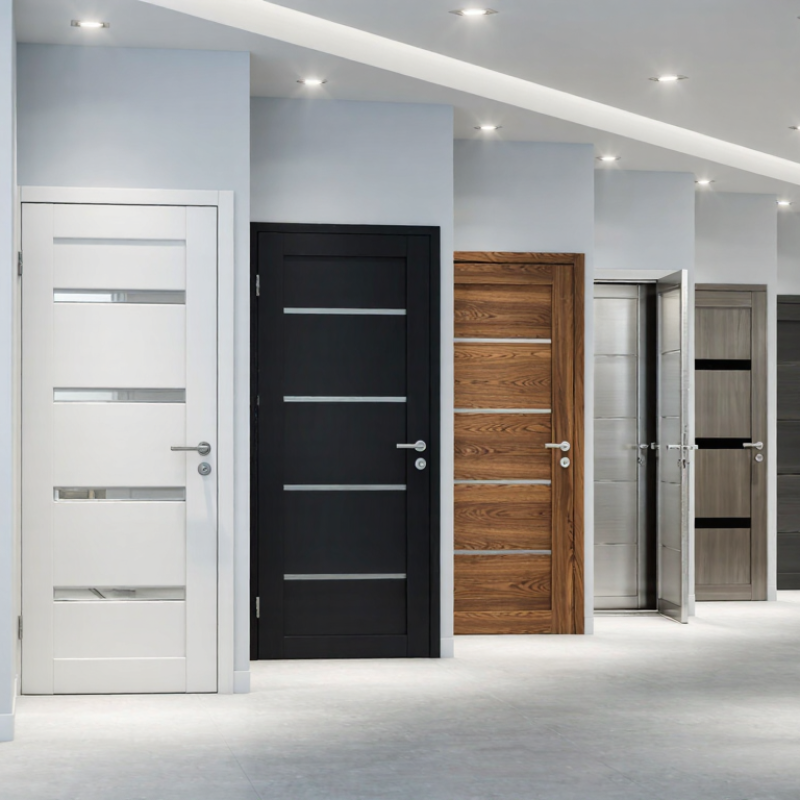
Commercial interior doors in China serve offices, hotels, hospitals, schools, retail spaces, and public buildings. Their scope extends beyond appearance. Doors must support privacy, traffic flow, safety, acoustics, and daily maintenance. Common types include flush doors, glazed doors, acoustic doors, fire-rated doors, and moisture-resistant doors. Flush doors suit corridors and offices. Glazed doors improve visibility near meeting rooms. Acoustic doors help reduce speech and equipment noise. Fire-rated models require tested assemblies, suitable frames, seals, and approved hardware.
Material selection changes performance. High-pressure laminate resists scratches in busy corridors. Veneer creates a warmer hospitality feel but needs careful moisture control. Steel doors offer strength, while aluminum and glass support modern layouts. Door leaf thickness, core density, hinge capacity, and closer adjustment should match expected use. A frequent mistake is choosing a door by surface finish alone. The attractive option may perform poorly under constant impact or humidity.
Tips: Request complete technical data before ordering. Check fire, acoustic, and environmental requirements with the project consultant. Confirm opening sizes, swing direction, hardware preparation, and installation tolerances. Inspect sample corners and edge details, not only the front panel. Keep spare seals and compatible hardware available. Specifications can still miss real site conditions, so review them after a mock-up installation. Small gaps matter.
Profiles of 10 Commercial Interior Door Manufacturers
These ten profiles compare commercial interior door manufacturers by what they make and how they handle project requirements. One focuses on steel fire-rated doors, with attention to core construction and frame fit. Another specializes in engineered timber doors and veneer matching. A third supplies glazed aluminum systems for offices. A fourth emphasizes acoustic doors for meeting rooms. A fifth serves healthcare projects, where cleanable finishes and frequent use matter.
The remaining profiles cover high-traffic corridor doors, hotel-room sets, modular office partitions, custom-size production, and export-oriented contract manufacturing. These are capability snapshots, not guarantees; a polished catalogue cannot confirm factory consistency. Details matter. Ask for test documentation, hardware schedules, finish samples, and installation tolerances before comparing bids. UNEP and GlobalABC’s 2024 Global Status Report for Buildings and Construction estimates that buildings and construction account for 32% of global energy use and 34% of energy-related CO₂ emissions. Those figures describe the wider sector, not doors alone. Still, they make material choice and service life worth discussing. A missed detail, such as an unsuitable edge finish, can undermine an otherwise sound specification.
Products, Materials, and Customization Across the Top 10
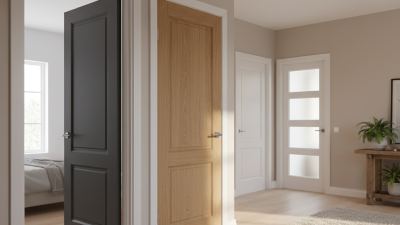
China’s top 10 commercial interior door manufacturers serve offices, hotels, hospitals, retail spaces, and public buildings. Their product ranges commonly include laminate doors, veneer doors, glazed doors, steel doors, acoustic doors, and fire-rated assemblies. Each option supports a different project demand. A hotel corridor may need warm wood textures, while a clinic requires smooth, cleanable surfaces. Door cores often use solid timber, engineered wood, mineral boards, or honeycomb structures. Material selection affects weight, durability, sound control, and maintenance.
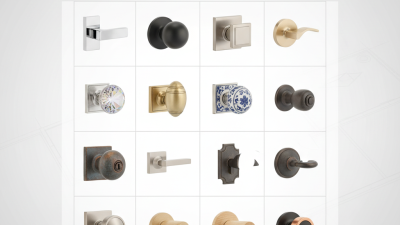
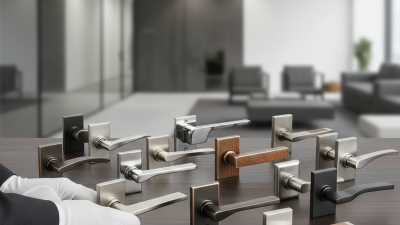
Customization is a major advantage. Buyers can request unusual heights, concealed frames, stainless-steel edges, vision panels, protective kick plates, or coordinated hardware. Some manufacturers also match door colors with wall panels and reception counters. Accurate site measurements matter greatly. A few millimeters can affect installation.
From project experience, rushed measurements create expensive corrections later. That mistake is easy to underestimate. Factory samples, coating tests, and mock-up inspections help confirm the final appearance before mass production.
Tips:
Compare door performance, not only price. Ask for test reports, core specifications, moisture resistance, acoustic ratings, and installation guidance. Check whether the supplier can manage drawings, sample approval, packaging, and replacement parts. Request a physical corner sample. Digital colors can mislead. Also review lead times carefully, especially for custom veneers or oversized doors. A practical specification should balance design, safety, cleaning needs, and long-term operating costs. Customization looks impressive, but unnecessary details may complicate repairs.
Comparing Manufacturers by Applications and Capabilities
Commercial door manufacturers in China serve different needs, so compare them by application rather than catalog size. A hospital corridor may require smooth-cleaning surfaces, sturdy hinges, and clear hardware schedules. A hotel project may prioritize acoustic privacy, consistent wood finishes, and reliable delivery across many rooms. For schools, impact resistance and easy replacement can matter more than decorative options. Details matter.
Ask how each manufacturer handles custom openings, frame coordination, and changes after drawings are approved. Request samples that show the actual edge, finish, and core—not just a small color chip. Check whether test reports and product documents match the proposed door construction and hardware. A broad product range is useful, but it does not prove every configuration has been tested.
Factory capacity is only part of the comparison. Look for documented quality checks, clear packaging methods, and realistic lead times for your order size. Ask how damaged items or dimensional errors are recorded and corrected. A site mock-up can reveal clashes with closers, seals, or wall finishes before installation spreads. No checklist catches every site surprise. Even experienced teams sometimes miss a detail, so keep decisions and revisions in writing. Compare manufacturers against the project’s actual use, performance needs, and installation conditions.
Commercial Interior Door Capabilities: China Fire-Door Ratings
A standards-based comparison of the minimum fire-resistance durations for China’s Class A, B, and C fire doors.
Under China’s fire-door classification, the minimum ratings shown are 90 minutes for Class A, 60 minutes for Class B, and 30 minutes for Class C. These are category benchmarks, not ratings for individual manufacturers or products; confirm certified product performance and project requirements before specifying.