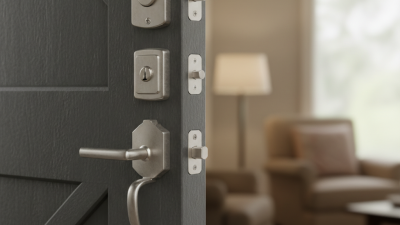
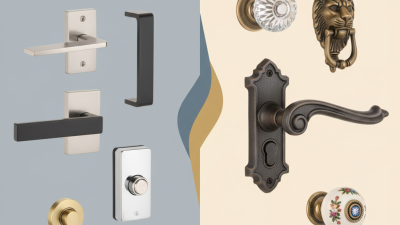
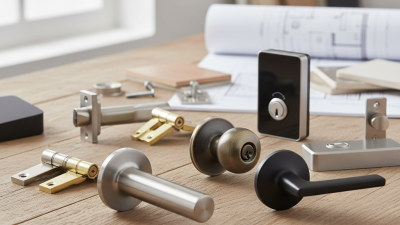
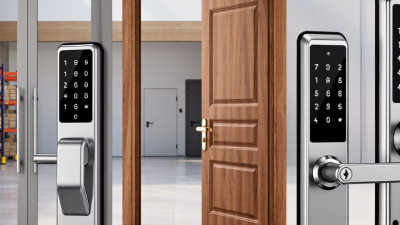
The leading door hardware manufacturers in 2026 are not judged by polished catalogs alone. Their products must work through thousands of daily cycles, fit real doors, and remain serviceable after installation. A closer arm, latch, hinge, or exit device can look modest on a specification sheet. In use, it affects how a door sounds, closes, and feels in someone’s hand.
Architect Louis Sullivan’s famous principle, “form ever follows function,” offers a useful test for door hardware. A manufacturer’s finish options matter, but so do tested performance, clear technical documents, parts availability, and support for installers. This guide compares established brands and emerging suppliers through those practical details. It also considers commercial and residential applications, because a busy school entrance and a quiet home interior do not ask the same things of a hinge.
No single ranking can fit every project. Budgets, door materials, traffic, accessibility needs, and local specifications change the decision. And manufacturer claims deserve a second look; attractive product photos cannot prove long-term reliability. The comparisons ahead focus on what buyers can verify: product range, engineering, certifications, warranty terms, and service reach. Small details count. A poorly matched closer may slam in a drafty corridor, while a durable lever can still disappoint if replacement parts are hard to find. Use this overview as a starting point, then confirm each product’s current specifications with the manufacturer.
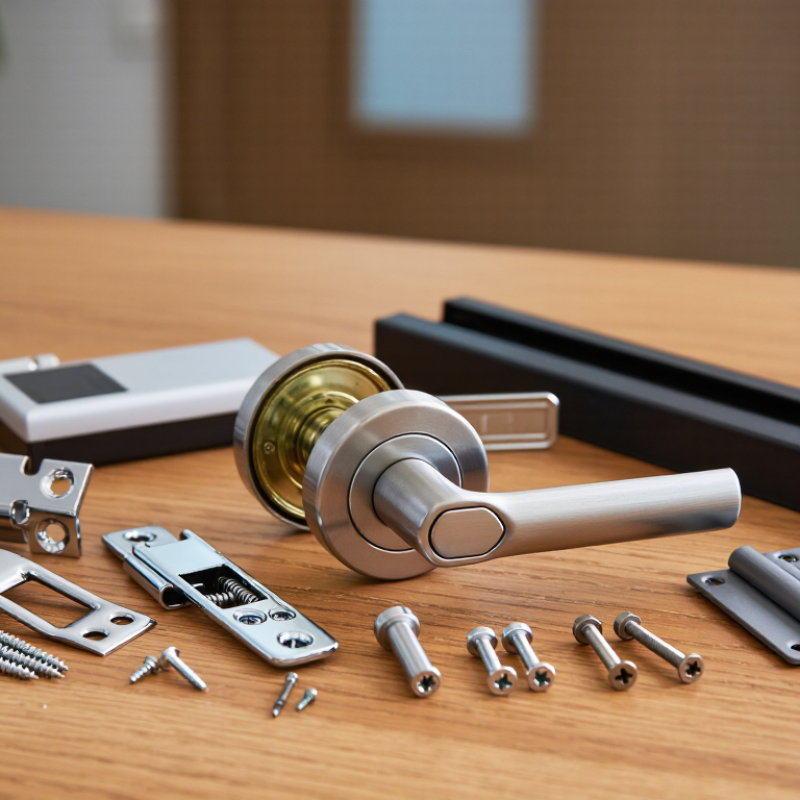
Top Door Hardware Manufacturers in 2026
Understanding Door Hardware and Its Core Product Categories
Door hardware is the group of components that lets a door open, close, secure, and stay aligned. It includes more than the visible handle. A typical setup may combine a lock or latch, hinges, a lever or knob, and a door stop. Small parts matter. A poorly matched latch can scrape against the strike plate, while loose hinges may cause the door to sag.
Locks and latches control access and keep a door closed; handles provide the grip used to operate them. Hinges support the door’s weight and determine how smoothly it swings. Closers regulate its return, while stops help prevent the handle from striking a wall. Pulls, flush bolts, and protective plates serve more specific needs, especially on sliding, paired, or frequently used doors.
Fit comes first. Check the door’s thickness, the lock’s backset, hinge placement, and whether the door opens left or right before selecting parts. Materials and finishes also affect durability: a busy entry may need sturdier components than a lightly used interior door. Appearance is easy to prioritize, though it cannot compensate for poor alignment. Even careful planning can miss a detail, so measuring the existing cutouts is worth the extra minute.
A snapshot of common product types across key door hardware categories. Counts reflect the examples listed here, not market share or sales.
Core categories include components for hanging, securing, operating, controlling, protecting, and sealing doors. Product categories can overlap.
Door hardware begins with a use case, not just a sketch. Designers consider door weight, opening frequency, hand comfort, and the conditions around the fitting. A lever for a busy corridor needs a different balance from a small cabinet pull. Even a few millimeters can change how a latch engages. Details matter.
Engineers turn drawings into prototypes, often machining or printing parts to check dimensions and movement. They test springs, spindles, finishes, and fixing points, then revise weak spots. A polished prototype can still mislead. Real installation may expose loose tolerances or awkward access for tools. These problems are easy to overlook on a screen.
Production combines forming, machining, finishing, and assembly, with the sequence shaped by material and design. Brass, stainless steel, and zinc alloys behave differently under cutting and coating. Teams inspect dimensions, surface consistency, and operating feel at several stages. Sample checks help, but they cannot catch every variation. That is an imperfect part of manufacturing. Clear work instructions and traceable batch records make defects easier to investigate, while practical feedback from installers can reveal issues factory tests miss. A quiet latch, for example, may depend on alignment as much as component quality.
Comparing leading door hardware manufacturers in 2026 starts with the door’s real operating conditions. A quiet bedroom door and a busy entrance need different levels of durability. Check the stated cycle-test results, load ratings, and materials for hinges, locks, closers, and handles. Ask for test documentation rather than relying on polished product descriptions. Small details matter. A handle that feels solid in a showroom may loosen after repeated use.
Finish quality deserves close inspection, too. Look at edges, screw seats, and areas that hands touch often. Ask how finishes withstand moisture, cleaning, and everyday abrasion. Compatibility is another practical test: confirm door thickness, handing, backset, and preparation dimensions before comparing prices. Clear installation instructions can prevent costly adjustments on site. They should include drawings, measurements, and maintenance guidance.
A strong manufacturer should also provide traceable specifications, consistent replacement parts, and a clear warranty process. Check whether claims apply to the exact product configuration you plan to buy. Compare lead times and after-sales support, not just unit cost. No scorecard is perfect; a cheaper option may suit a low-use interior door, while a demanding entrance may justify tougher hardware. I would still want to see the product installed and operated before making a final judgment.
Door hardware manufacturers typically focus on distinct needs: mechanical locks, electronic access, hinges, closers, or exit devices. These specialties shape product testing, materials, and installation support. Dodge Construction Network’s 2024 Outlook forecast a 7% rise in total U.S. construction starts. That forecast signals varied project demand, not guaranteed hardware sales.
Commercial specialists often engineer heavy-duty closers and panic devices for busy corridors. Their products must handle repeated use and fit specific door weights. ANSI/BHMA standards provide performance tests and grading for many hardware categories. Grades help specifiers compare durability, but they do not replace checking a product’s suitability for each opening. Small details matter.
Residential-focused manufacturers may prioritize compact locks, quiet latches, and finishes that coordinate across a home. Electronic-access specialists instead integrate readers, credentials, and audit functions with building systems. Retrofit expertise matters, too: an older wood door may need different reinforcement than a new metal frame. The best specialization is not always the most advanced one. Project teams should confirm dimensions, duty requirements, and service availability before specifying hardware; overlooking a hinge or frame detail can create costly rework.
| Manufacturer specialization | Typical product range | Common applications | Key selection considerations | Relevant standards and requirements |
|---|---|---|---|---|
| Architectural door hardware | Levers, knobs, escutcheons, pulls, and coordinated hardware sets | Commercial offices, education, healthcare, hospitality, and public buildings | Door type, traffic level, finish, accessibility, and compatibility with the selected lock or latch | Project specifications may reference applicable ANSI/BHMA A156 standards and accessibility requirements |
| Mechanical locks and cylinders | Mortise locks, cylindrical locks, deadbolts, latches, and mechanical cylinders | Residential, commercial, institutional, and multi-occupancy buildings | Security level, keying plan, door preparation, handing, backset, and intended user access | Applicable ANSI/BHMA A156 lock and cylinder standards; local building and fire-code requirements where relevant |
| Exit devices and panic hardware | Rim, mortise, and vertical-rod exit devices, with compatible trim and accessories | Exit doors in schools, healthcare facilities, offices, retail spaces, and assembly areas | Egress direction, door construction, traffic, security needs, and fire-door configuration | Applicable ANSI/BHMA A156.3 requirements and locally adopted egress and fire-door codes |
| Hinges and pivots | Butt hinges, continuous hinges, spring hinges, and pivot sets | Interior and exterior doors, high-traffic openings, and selected specialty doors | Door weight and width, frequency of use, frame material, corrosion exposure, and required swing | Applicable ANSI/BHMA A156 hinge standards and project-specific fire-door requirements |
| Door closers and controls | Surface-mounted, concealed, and floor-spring closers; door-control accessories | Entrances, corridors, fire doors, and doors requiring controlled closing | Door size and weight, wind conditions, opening force, mounting arrangement, and closing speed | Applicable ANSI/BHMA A156.4 requirements; accessibility and fire-door rules depend on the opening |
| Automatic door operators | Low-energy and power-operated swing-door systems, sensors, and activation devices | Accessible entrances and interior openings in commercial and public buildings | Accessibility, user flow, activation method, door geometry, safety sensors, and power availability | Applicable ANSI/BHMA A156.19 or A156.10 requirements, as appropriate, plus local accessibility and safety rules |
| Electronic access control hardware | Electrified locks, electric strikes, access-control readers, and related door-interface components | Managed entrances, offices, campuses, healthcare facilities, and secured interior zones | Power and wiring, credential system compatibility, fail-safe or fail-secure function, and emergency egress | Applicable ANSI/BHMA A156 electrified-hardware standards, electrical codes, and adopted life-safety requirements |
| Weatherstripping and door seals | Perimeter seals, door bottoms, thresholds, and sound- or smoke-control sealing products | Exterior doors, energy-conscious buildings, acoustic openings, and specified smoke-control assemblies | Gap dimensions, surface type, exposure, desired acoustic or environmental performance, and door operation | Requirements vary by application; listed fire-door or smoke-control assemblies must use compatible approved components |
Note: This table summarizes common manufacturer specialization areas and product-selection considerations; requirements vary by product, building type, and jurisdiction.
In 2026, door hardware faces a practical question: how can a door feel secure and remain easy to use? Electronic locks, mobile credentials, and access logs are appearing in more types of buildings. Yet a reliable mechanical override still matters when batteries fail or networks go quiet. Small details count. A latch that catches cleanly can matter more than a sleek app.
Manufacturers are responding to retrofit demand. Property teams often need to update access while keeping existing doors, frames, and finishes. Modular parts, clear installation instructions, and replaceable components can reduce waste and service calls. Material choices are changing too. Recycled metals and longer-wearing coatings attract attention, but claims need transparent sourcing and testing. A finish that looks durable in a sample may show scratches after months of heavy use.
Accessibility and connected security are influencing design in parallel. Lever handles, readable indicators, and adjustable closing force support easier daily use. Connected systems also need careful access controls and ongoing software maintenance. Not every building needs a smart lock. That is easy to overlook. Buyers should compare durability testing, repair options, and compatibility with actual door conditions—not just feature lists. Progress is real, though uneven; installation quality still shapes how well hardware performs.