What Are the 2026 Top Commercial Door Locks?

Choosing the right commercial door locks in 2026 requires more than comparing prices and polished product images. Businesses now weigh security, durability, access control, maintenance, and user convenience together. A busy hotel entrance, a warehouse side door, and a medical office cannot depend on the same lock design. Each location faces different risks, traffic levels, and operating routines.

This guide examines leading commercial door locks through practical performance, not marketing claims alone. It considers electronic, smart, mortise, cylindrical, and panic hardware systems. Installation quality matters. So does daily use. A lock may offer advanced credentials, audit trails, and remote management, yet still disappoint if its batteries fail frequently or its software feels confusing. That detail is easy to miss.

Reliable recommendations should come from manufacturer specifications, installer experience, recognized testing standards, and long-term maintenance reports. We will also consider weather exposure, fire-door compatibility, emergency egress, accessibility, and integration with existing security systems. These factors can affect safety and operating costs for years.

There is no universal winner.

The “top” choice depends on the building, budget, staff, and threat profile. Some rankings remain debatable because real-world results vary between sites. That uncertainty deserves honest attention. A well-selected lock should protect people and property without slowing legitimate access. It should also remain serviceable when technology changes. The following overview offers a grounded starting point for comparing the strongest commercial door locks available in 2026.
What Are the 2026 Top Commercial Door Locks?

What Defines a Top Commercial Door Lock in 2026

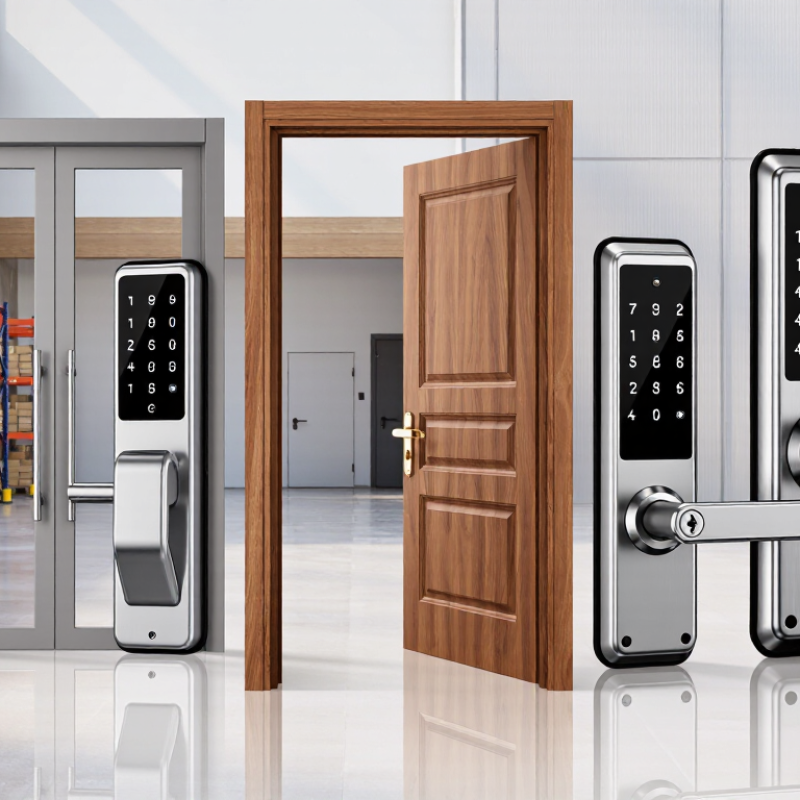
In 2026, a top commercial door lock is more than a strong cylinder and polished metal. It must protect people, property, and daily movement without creating friction. In busy offices, I look for controlled access, clear audit records, and dependable operation during power interruptions. A useful lock should support credentials, mobile access, and mechanical backup when systems fail. Its reader should recognize authorized users quickly, even with wet gloves or dim hallway lighting. Durability matters too. A warehouse entrance may receive hundreds of openings every day, not a few showroom tests. Professional evaluation should include cycle testing, tamper resistance, weather exposure, and hardware compatibility. Safety release functions and fire-rated installation requirements also need careful review.

Tips: Check the door’s thickness, frame, hinges, and closing force before choosing a lock. Test access during network and power failures. Ask for maintenance records and clear warranty terms. Avoid systems that look advanced but depend on one fragile component.

The best commercial lock also makes management easier. Administrators should add or remove access without replacing every key. Detailed event logs can reveal unusual entry times or repeated failed attempts.

Privacy deserves attention, especially where employee movement is recorded. Strong encryption and regular software updates reduce avoidable risks, but no system is perfect. A neglected battery, misaligned strike, or forgotten administrator account can weaken excellent hardware.

That practical gap is often missed during installation. Real performance depends on training, inspections, and honest testing after the doors enter daily service.
Key Commercial Door Lock Types and Their Best Applications

What Are the 2026 Top Commercial Door Locks?

Key Commercial Door Lock Types and Their Best Applications

Commercial door locks in 2026 are less about one “best” product and more about matching risk, traffic, and escape needs. Cylindrical lever locks suit offices and low-to-medium traffic interior doors. Mortise locks provide stronger cases and better alignment for hotels, healthcare rooms, and busy entrances. They cost more, and installation errors can weaken that advantage. Grand View Research’s 2024 electronic access control report projects roughly 8% annual market growth through 2030. This reflects rising demand for audit trails, remote permissions, and faster credential changes.

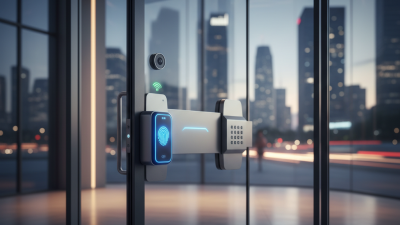
Electronic and electromechanical locks fit offices, laboratories, campuses, and multi-tenant buildings. They can record who entered and when. That matters after a lost credential or disputed delivery. Mobile credentials are convenient, but battery failure, network outages, and poor enrollment remain practical weaknesses. A mechanical key system still suits utility rooms, small businesses, and emergency backup access. It is simple. It is not automatically secure; uncontrolled key copying creates quiet exposure.

Exit devices belong on panic routes and high-occupancy doors, where fast egress matters most. Electrified trim can add controlled entry without blocking exit, but fire and accessibility requirements must be checked locally. ASIS International guidance emphasizes layered access control, not locks alone. A 2024 MarketsandMarkets report also identifies electronic access control as a major growth segment, although forecasts vary by methodology. That uncertainty deserves attention. The strongest specification combines a rated door, correct closer, protected hinges, tested credentials, and documented maintenance. A sophisticated lock on a misaligned frame is still a weak door.

Essential Security, Access, and Compliance Features

In 2026, top commercial door locks must protect more than a doorway. They should support secure credentials, clear access permissions, and reliable emergency operation. Electronic models may use mobile credentials, PINs, cards, or biometrics. Each option brings different privacy and maintenance concerns. A strong system records entry times, denied attempts, and administrative changes. These audit trails help facility teams investigate incidents without guessing.

Access control should match the building’s daily rhythm. A clinic may need restricted rooms and timed permissions. A warehouse may require rugged hardware, remote monitoring, and temporary contractor access. Look for encrypted communication, offline operation, battery alerts, and automatic credential removal. Mechanical key overrides remain useful during outages, but they must be controlled carefully. Convenience can create new risks.

Compliance requires more than installing a certified lock. Door hardware must work with fire egress rules, accessibility requirements, occupancy limits, and local building codes. Fail-safe and fail-secure settings should reflect the door’s purpose and safety plan. Verify requirements with qualified professionals before purchase. From field experience, installation errors often weaken excellent hardware. Misaligned strikes, weak mounting, and neglected batteries are common failures. No lock removes every risk. Regular testing, staff training, and documented maintenance still matter. A perfect specification sheet cannot compensate for an ignored door.

How to Compare Durability, Technology, and Operating Costs

Choosing a top commercial door lock in 2026 requires more than a feature list. Compare durability, technology, and operating costs together. A strong lock should survive repeated cycles, impacts, dust, and temperature changes. In busy facilities, test the lever, latch, and mounting points during daily traffic. Look for corrosion-resistant materials and replaceable wear parts. A five-year warranty can help, but field service records matter more. They reveal recurring failures. This is where many purchasing teams overlook evidence.

Technology should solve a workflow problem, not decorate the door. Electronic access can reduce rekeying, improve audit trails, and support scheduled permissions. However, batteries, software subscriptions, network equipment, and technician training add expense. Ask for a five-year operating-cost estimate, including emergency visits and replacement components. Compare offline and connected options under the same assumptions. A lower purchase price may become expensive after several battery changes. I have seen projected savings weaken when maintenance labor was excluded. That mistake is easy to repeat.

Tips: Walk through a real installation before buying. Measure opening alignment and door weight. Request cycle-test data and failure rates. Check how quickly staff can issue credentials. Keep a mechanical override only when policy allows it. Review privacy and access logs regularly. Leave room for uncertainty; usage patterns often change.

This comparison uses common commercial lock categories and benchmark ranges. Durability is shown as rated operating cycles, technology capability is scored from 0 to 100 based on access-control, audit, and remote-management features, and annual operating cost includes typical battery, credential, service, and administration expenses.

Benchmark basis: ANSI/BHMA Grade 1 commercial durability levels and typical 2025–2026 operating-cost ranges. Actual results vary by door traffic, installation conditions, credential volume, and system requirements.

Selecting the Right Commercial Door Lock for Each Building Need

What Are the 2026 Top Commercial Door Locks?

Selecting the Right Commercial Door Lock for Each Building Need

The best commercial door lock in 2026 depends on the building, not a popularity list. A small office may need a grade-rated cylindrical lock with a keypad. It offers controlled entry without complex wiring. Choose a mortise lock for busy entrances, schools, or medical offices. Its stronger case handles repeated use and heavier doors.

For apartment buildings and mixed-use properties, electronic access control can connect credentials, schedules, and audit records. Mobile credentials are convenient, but a backup method remains important. Phones lose power. Readers also need protection from rain, dust, and careless impacts.

For warehouses, use rugged locks with weather-resistant readers and clear user permissions. A door closer and panic hardware may matter as much as the lock itself.

Fire exits must allow safe, immediate release, while accessibility and local building codes guide installation. Always confirm requirements with a qualified door professional or local authority. A secure lock can still create risk if the frame is weak or the exit path is blocked. That detail is often missed. Security teams should review lost credentials, staff turnover, and emergency procedures regularly. Hardware alone cannot solve poor maintenance. A practical site survey should check door alignment, hinge wear, frame strength, power backup, and daily traffic before selecting any 2026 commercial lock.