Choosing the best door knobs for global buyers requires more than comparing finishes, prices, and product photographs. A reliable selection must match the door material, traffic level, climate, and installation method. A solid brass knob may suit a boutique hotel, while stainless steel can perform better near humid coastlines. Details matter.
Door-hardware consultant Lori Greene offers a useful principle: “Hardware is not just decoration; it is part of the door’s function.” This idea guides our review of door knobs from a practical viewpoint. We examine spindle strength, latch alignment, corrosion resistance, grip comfort, and packaging quality. We also consider whether product instructions are clear for installers working in different regions.
Small mistakes can become expensive. A beautiful knob may fail when its backset does not match the door. A polished finish can also show fingerprints quickly. We will compare common materials, mounting systems, safety features, and supplier support. These factors help buyers evaluate factories and brands with greater confidence.
Not every “premium” knob is durable.
The market also has gaps. Some suppliers provide impressive samples but weak batch consistency. Others list technical data without explaining real installation limits. Therefore, this guide balances specifications with practical observations. It focuses on dependable performance, transparent sourcing, and long-term value. The ideal door knobs should feel comfortable, install cleanly, resist daily wear, and remain suitable for the building’s environment.
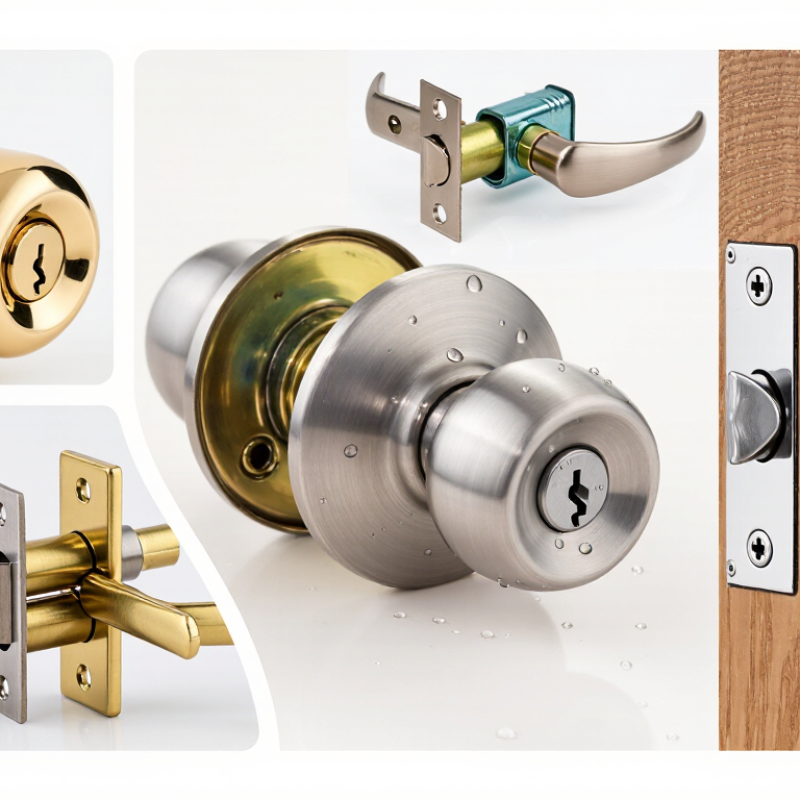
China offers a broad range of door knobs for global buyers, from simple passage knobs to privacy, keyed-entry, and dummy designs. Passage knobs suit hallways and closets, while privacy knobs work better for bedrooms and bathrooms. Keyed-entry models add controlled access for exterior doors. Dummy knobs are mainly decorative and fit doors that open with a separate latch.
Material choice affects durability, appearance, and maintenance. Stainless steel handles moisture well, making it practical for coastal homes. Brass provides a heavier feel and develops a distinctive surface over time. Zinc alloy allows detailed shapes at competitive prices, but its coating needs careful inspection. Aluminum is lightweight, while iron creates a traditional appearance. In practical sourcing, finish quality often matters as much as the base metal. A beautiful sample can still hide weak springs or uneven plating.
Tips: Request samples before placing a large order. Check the spindle, backset, screw alignment, and latch movement. Test repeated turning, not only appearance. Ask for material details and surface-finish specifications. Independent testing can improve confidence, although it adds cost and time. Do not assume every “stainless steel” knob has the same corrosion resistance. That assumption can become expensive. For international projects, confirm dimensions against local doors and installation habits. Packaging also deserves attention; scratched rosettes and missing screws create avoidable problems. Some buyers focus too heavily on price. A slightly higher-quality knob may reduce replacements and installation complaints.

What Are the Best China Door Knobs for Global Buyers?
Key Quality Standards for Global Door Knob Buyers
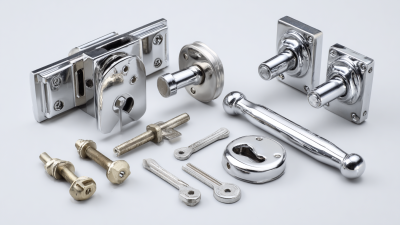
Reliable door knobs begin with material verification. Stainless steel, brass, and zinc alloy offer different strength, weight, and corrosion resistance. Ask for the exact grade, not simply “premium metal.” A sample should feel balanced, with smooth turning and no sharp edges. Check the spindle, spring, screws, and latch together. One weak component can reduce the product’s service life.
Testing should match the target market and installation environment. Request corrosion testing, cycle testing, dimensional reports, and surface-finish inspections. Salt spray results can reveal coating weaknesses, but they do not prove every form of durability. Confirm door thickness, backset, bore diameter, and mounting method before production. Fit matters. Packaging also deserves attention. Foam protection, moisture control, and clear installation instructions can prevent avoidable returns. A beautiful sample may still hide inconsistent batch quality.
Tips: Ask for pre-shipment inspection photos and random-function videos. Keep an approved reference sample for comparison. Require traceable inspection records, material declarations, and corrective-action reports when defects appear. Do not rely on certificates without checking their scope and test dates. Standards vary by country, building type, and application. No checklist is perfect. Recheck critical dimensions during mass production, because small changes can create expensive installation problems.
When global buyers compare Chinese door knob manufacturers, the catalog is only a starting point. I look for factory evidence, not polished promises. A useful supplier should explain its production steps, material grades, surface treatments, and inspection points. Ask whether brass, stainless steel, or zinc alloy is used in each component. Request recent production photos, sample records, and test reports. Details matter. Vague answers often create expensive surprises later.
Order samples from shortlisted factories and examine them like an installer. Check the spindle, rose, screws, spring return, and finish under repeated handling. A knob may look excellent but feel loose after installation. Ask for dimensional drawings and tolerances, because small differences can cause fitting problems. Confirm how the factory controls color consistency between batches. Independent testing can add confidence, although paperwork alone is not proof of daily quality.
A reliable manufacturer communicates clearly about minimum order quantities, lead times, packaging, replacement parts, and corrective action. Visit the facility when possible, or use a qualified third-party audit. Speak with the quality manager, not only the sales contact. I also compare pilot-order results with the promised standard. The first shipment is revealing. Still, no evaluation is perfect. My own mistake was trusting a beautiful sample without checking carton protection; several pieces arrived scratched. That lesson remains useful: assess the entire supply chain, not just the knob.
Door knob preferences change across international markets. The best choice depends on climate, building use, and local installation habits. For humid coastal regions, stainless steel or brass with strong corrosion resistance is practical. Dry inland areas may allow more finish options. A smooth, durable coating also helps in busy hotels, offices, and apartments.
European buyers often check spindle sizes, backset measurements, and compatibility with existing locks. North American projects may require different latch dimensions and mounting methods.
Buyers in the Middle East may prefer heavier knobs with warm metallic finishes. In Asia-Pacific markets, compact designs and easy maintenance can matter more. Accessibility should not be ignored. A round knob may look attractive, but lever-style hardware can be easier for many users.
Tips: Request physical samples before placing a large order. Test the knob with local doors, gloves, and repeated operation. Ask for material details, salt-spray results, installation drawings, and packaging protection. Verify measurements twice. One missed millimeter can delay an entire project. I have seen attractive finishes fail because the surface was not tested for cleaning chemicals. That mistake is easy to overlook. Suppliers should also explain quality inspections clearly, including torque testing, coating checks, and random sample reviews. A lower unit price is not always a lower total cost.
Global buyers should treat China door knob sourcing as a specification project, not a quick catalog purchase. Confirm the base material, knob diameter, spindle size, finish, mounting method, and door thickness before requesting a quotation. A clear drawing reduces repeated messages and prevents costly misunderstandings. Ask about minimum order quantities, sample fees, production timing, and payment terms. A low unit price may exclude packaging, tooling, or inland transport.
Customization needs practical control. Request a physical sample or detailed photos under natural light. Check the spring return, turning resistance, screw alignment, and surface consistency. An attractive sample can still hide weak internal parts. Use an independent inspection before shipment, especially for large orders. Inspect dimensions, finish defects, carton labels, quantities, and random functional tests. I have seen buyers approve appearance while overlooking installation problems. That mistake is expensive.
Tips: Write every requirement into the purchase order. Include acceptable tolerances. Confirm who pays for rework. Use pre-shipment inspection photos, but do not treat photos as complete proof. For shipping, compare sea freight, rail, and air delivery according to urgency and volume. Confirm carton strength, pallet needs, insurance, export documents, and the agreed delivery term. Leave buffer time for port delays. Shipping plans often look simple until one missing document stops the cargo.
Typical planning durations are shown in working days: order confirmation, customization and sampling, mass production, pre-shipment inspection, and ocean shipping. Actual timing varies by design complexity, order quantity, destination, and shipping route.