What Are the 2026 Best Types of House Doors?

Choosing the best house doors in 2026 requires more than matching a front door to a façade. Energy performance, security, durability, maintenance, and climate exposure now shape the decision. The U.S. Department of Energy recommends well-sealed exterior doors because air leakage can increase heating and cooling demands. The 2024 Cost vs. Value Report by Zonda also found that steel entry-door replacement delivered one of the strongest resale returns, reaching approximately 188% of project cost. That figure deserves attention, although local markets can produce different results.

“An entry door should perform as hard as it looks good,” says Gary Johnson, a building-envelope specialist associated with the Door and Hardware Institute. His point is practical. A beautiful door can still fail when its threshold leaks, its hinges sag, or its finish fades under direct sunlight. I have seen homeowners focus on color first, then discover that a poorly fitted frame creates a cold strip beside the lock.

This guide examines the leading house doors for 2026, including insulated steel, fiberglass, solid wood, aluminum, and smart entry systems. Each type offers a different balance. Steel can provide strong security and value. Fiberglass resists moisture and imitation grain can look surprisingly convincing. Wood delivers warmth, but it needs disciplined maintenance. Smart locks add convenience, yet batteries and connectivity deserve honest consideration. There is no universal winner. The best choice depends on weather, budget, installation quality, and how the entrance is used every day.
What Are the 2026 Best Types of House Doors?

House Door Types: An Overview of Styles, Materials, and Uses

What Are the 2026 Best Types of House Doors?

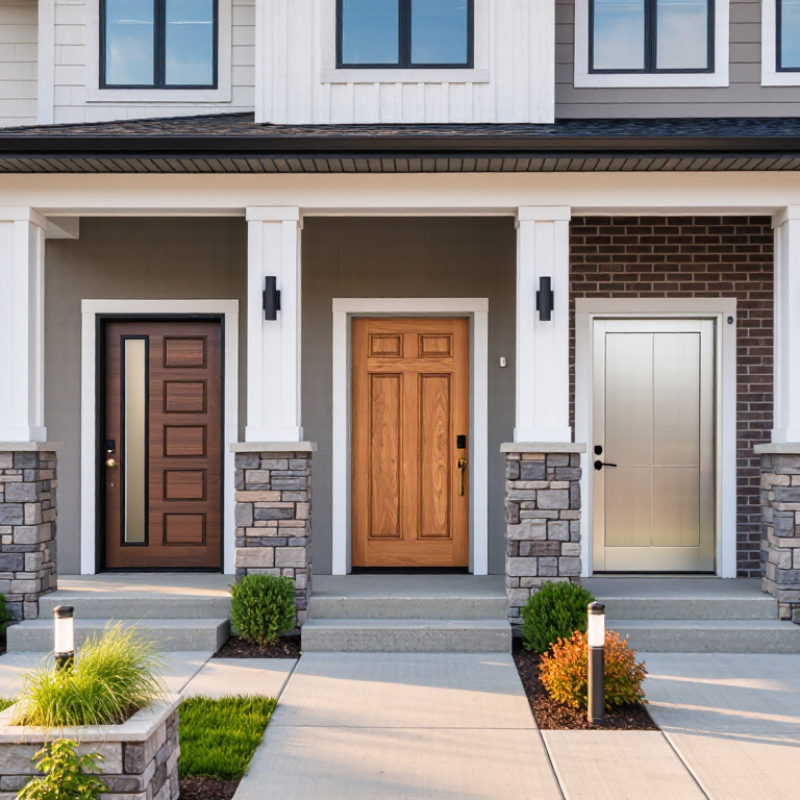
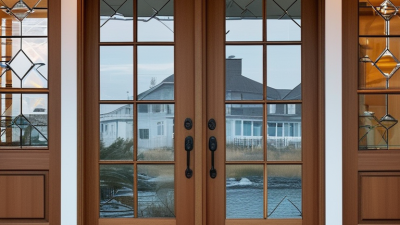
House doors now serve different jobs. A front door creates identity, while a side door supports daily traffic. Sliding glass doors connect kitchens with patios, but they need secure tracks and careful weather sealing. French doors suit traditional rooms and wider openings. Pocket doors save floor space indoors, although repairs can become difficult inside the wall.

Material changes performance. Fiberglass resists moisture, dents, and temperature changes, making it practical for exposed entrances. Steel offers strong security and a lower purchase cost, but scratched surfaces may rust. Wood gives natural warmth and can be repaired, yet it demands regular coating. Composite frames balance stability and insulation.

In its Building America guidance, the U.S. Department of Energy reports that air leakage can represent 5% to 30% of a home’s heating energy use. A poorly fitted door can quietly increase drafts, noise, and utility costs.

Details matter more than appearance.

The 2024 Cost vs. Value Report recorded a 188.1% cost recoupment for a steel entry door replacement in its national comparison. That figure is useful, but not universal. Climate, installation quality, and local labor can change the result sharply.

Look for insulated cores, compression weatherstripping, adjustable thresholds, and low-maintenance finishes. ENERGY STAR guidance also emphasizes climate-appropriate insulation and tight installation for efficient exterior doors.

I would not choose a door from photographs alone. A beautiful oversized slab may block furniture movement, daylight, or emergency access. Measurements, swing direction, drainage, and everyday use deserve equal attention.
How to Compare Door Materials for Durability, Security, and Maintenance

What Are the 2026 Best Types of House Doors?

How to Compare Door Materials for Durability, Security, and Maintenance

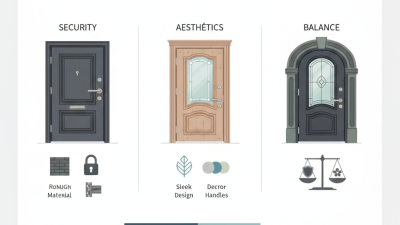
Choosing a house door starts with your climate, entryway, and daily use. In practical door assessments, steel doors often provide strong security and resist warping. However, exposed steel can develop rust when scratches reach the protective coating. Fiberglass doors handle moisture better and can imitate wood grain with less upkeep. Their surface may still crack after a severe impact. Solid wood offers warmth, weight, and repairability, but it needs regular sealing in wet or sunny locations.

Compare more than the material alone. Check the door’s core, frame, hinges, and lock preparation. A strong slab cannot compensate for a weak frame. A three-point locking system may improve resistance, yet installation quality remains critical. Measure gaps around the closed door. Uneven gaps can reveal poor fitting and reduce energy efficiency. I have seen attractive doors fail early because water collected beneath the threshold. That detail is easy to miss.

Tips: Touch the surface on a hot afternoon. Notice drafts near the threshold. Ask how often sealing is required. Review the warranty terms carefully. Choose corrosion-resistant hardware for coastal air. Do not assume heavier always means safer; balance, fitting, and visibility matter too. My own preference has changed after seeing maintenance costs accumulate. A lower purchase price can become expensive when repainting, adjustment, and weather damage repeat each year.

Popular House Door Designs for Different Architectural Styles

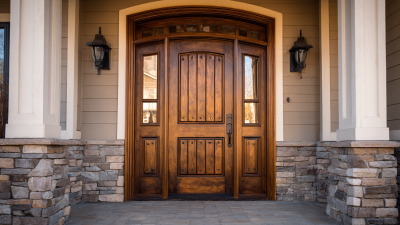
In 2026, the best house doors are those that respect the home’s architectural language. Door design should feel intentional, not randomly fashionable. Traditional Colonial homes often suit six-panel doors with balanced sidelights. Craftsman houses look natural with solid wood doors, square windows, and visible joinery. Small details matter. A deep stain, bronze hardware, or a modest overhang can strengthen the style without making it feel staged.

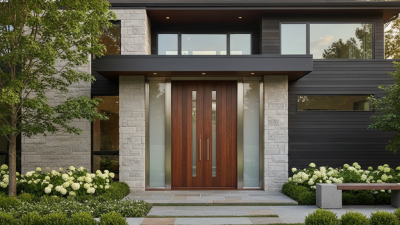
Modern homes usually benefit from wide, flush doors with clean lines and limited decoration. Frosted or narrow glass panels can bring daylight while protecting privacy. Farmhouse designs pair well with simple plank doors, muted paint, and black metal accents. Mediterranean and Spanish-inspired houses often need arched doors, textured wood, or iron details. However, an ornate entrance can overwhelm a smaller facade. Proportion still matters more than decoration.

I once favored oversized glass doors, but they felt cold beside a warm brick exterior. That mistake changed my approach. I now assess the facade, climate, entry width, and daily use before choosing a style. A professional installer should verify measurements, weather sealing, swing clearance, and local safety requirements. Solid construction also improves comfort near busy streets and exposed entrances. Keep it honest. No door suits every home, and even a beautiful design may perform poorly without proper installation.

Choosing the Right Door for Energy Efficiency and Weather Protection

In 2026, the best house door is not simply the thickest or most expensive option. It should match your climate, entry direction, and daily use. Insulated fiberglass doors offer strong thermal performance and resist moisture, dents, and seasonal movement. Insulated steel doors can provide excellent energy efficiency, although exposed edges may rust if maintenance is neglected. Solid wood doors remain attractive, but they need careful sealing in wet or rapidly changing climates.

Air leaks matter. A low U-factor indicates better insulation, while tight weatherstripping limits drafts around the frame. Look for a well-insulated core, a durable threshold, and adjustable hinges.

Glass panels should use insulated glazing with low-emissivity coatings, especially on sunny entrances. Still, specifications can mislead when installation is poor.

I have seen a high-performing door lose heat through an uneven frame and a careless threshold gap.

Weather protection depends on more than the slab. The frame must be square, sealed, and securely fastened to the wall. A small roof or overhang can reduce rain exposure and protect the finish from harsh sunlight. For coastal or storm-prone areas, choose corrosion-resistant hardware and reinforced construction suited to local conditions.

Measure twice. A door that swings freely in winter may scrape after humidity raises the floor slightly. No door is perfect, and homeowners sometimes overlook ventilation, maintenance, and future repairs when comparing energy ratings.

Key Factors for Selecting a House Door in 2026

Choosing a house door in 2026 starts with the home’s conditions, not fashion. A steel door offers strong security and resists warping. Fiberglass handles moisture well and needs limited maintenance. Solid wood provides warmth, but it demands regular sealing, especially in wet climates. A glazed door can brighten a dark hallway, yet its glass should be laminated or tempered.

Measure the opening carefully, including the frame, threshold, and swing direction. A small measurement error can create drafts or prevent smooth closing. Look for a tight weather seal, insulated core, and a threshold that limits rainwater. Energy performance matters more now, particularly where heating and cooling costs remain high. Check the door’s tested ratings, not only attractive product descriptions.

Security also depends on the frame, hinges, strike plate, and installation quality. A strong slab may perform poorly when fitted into a weak frame. Choose hardware that feels comfortable for every household member. Lever handles can help people with limited hand strength. Consider visibility, lighting, and emergency access before selecting a highly sealed design. Local building requirements may affect glazing, fire resistance, and doorway width. Verify them with a qualified installer or local authority. The cheapest option can become expensive after repainting, repairs, and poor energy control. Still, overengineering the entrance is possible. A practical door should protect the home without making daily use awkward.