Top Door Hardware Options for Every Home Need?
When it comes to home design, door hardware is often overlooked. However, it plays a significant role in both aesthetics and functionality. As Robert Klein, a door hardware specialist, says, "The right door hardware not only secures your home but also enhances its beauty." This statement highlights the importance of choosing the right components for every door in your house.
Today, homeowners have a plethora of options in door hardware. From sleek modern handles to ornate historical knobs, the choices can be overwhelming. Some may even feel lost when trying to match styles or functionalities. However, selecting the appropriate door hardware can truly transform an entire space. It’s not just about looks; it’s about making sure every piece works well with your daily life.
In this article, we’ll explore various door hardware options suited for every need. Whether upgrading for security or style, the right choices matter. Reflecting on these options can reveal surprising insights about what your home really needs. Don't settle for less; consider how door hardware impacts your home’s overall appeal and practicality.
Essential Types of Door Hardware for Residential Use
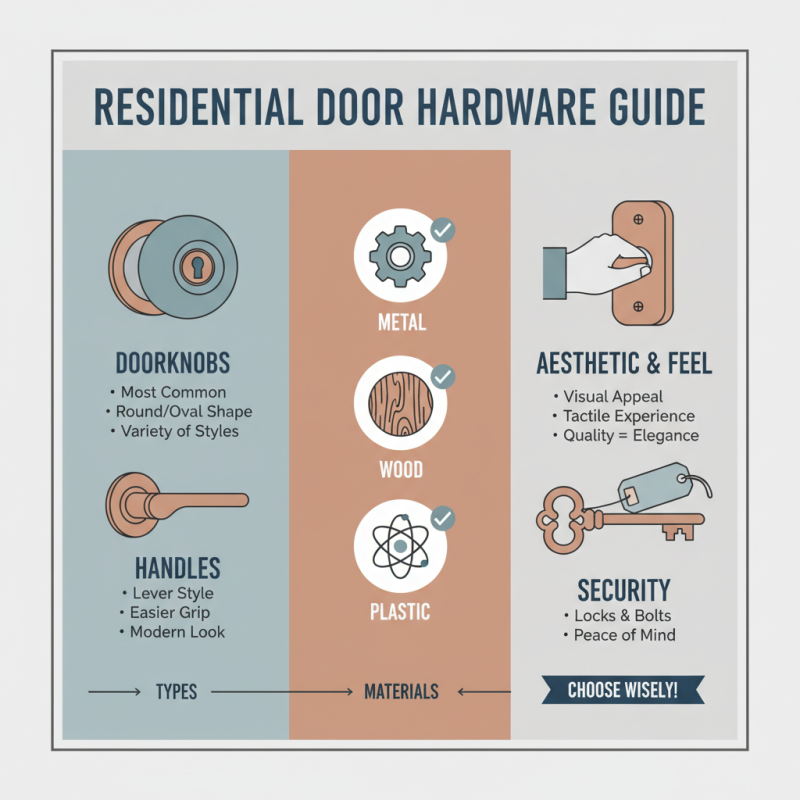
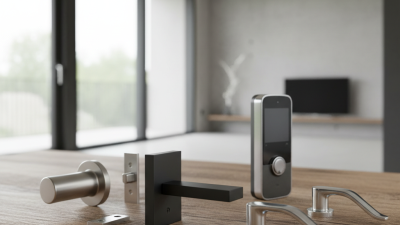
When it comes to residential door hardware, several essential types stand out. Doorknobs and handles are the most common options. They come in various materials. Choose between metal, wood, or plastic. Each option carries a unique aesthetic. They affect how the door feels when opened or closed. A quality knob adds a touch of elegance.
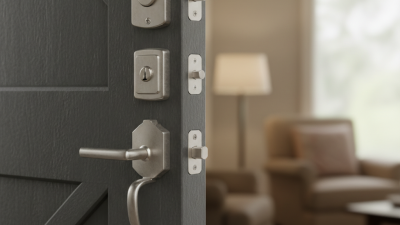
Deadbolts play a crucial role in security. Many homeowners prefer them for external doors. They provide a sturdy barrier against intruders. Some models are keyed, while others use a code. The choice depends on personal preference and lifestyle needs. Make sure to check the grade of the deadbolt to ensure safety.
Hinges are often overlooked but fundamental. They support the door's weight and help it function correctly. A poor hinge can lead to misalignment. Some hinges offer decorative qualities, enhancing curb appeal. It’s important to choose the right size. Overly small hinges may bend or break over time. Every detail of door hardware shapes the entrance to your home. Ensure it meets both your practical and stylistic needs.
Key Considerations for Selecting Door Hardware
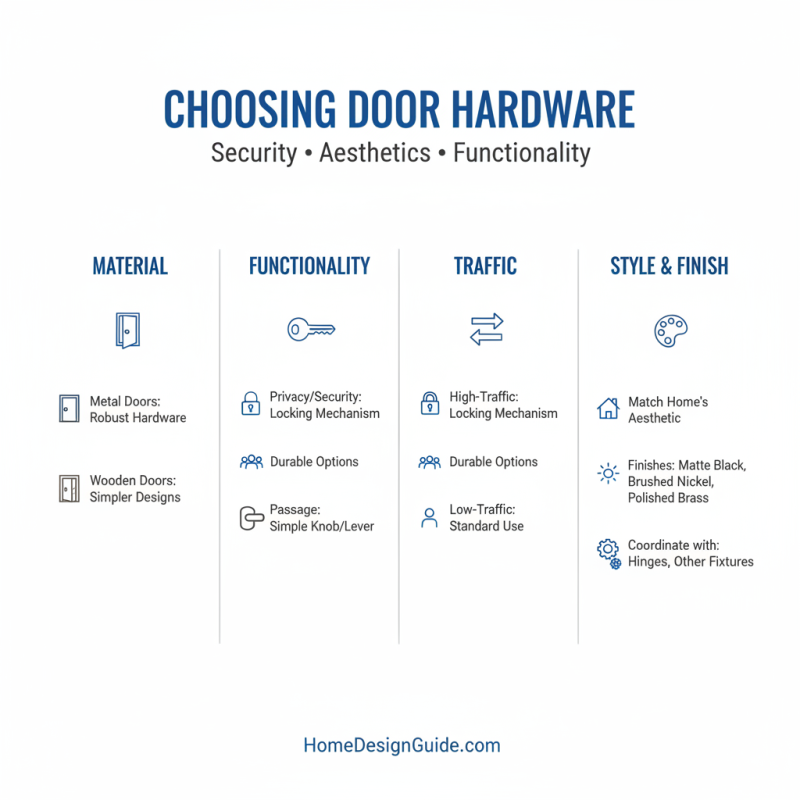
Selecting the right door hardware can significantly enhance your home's security and aesthetics. When choosing, consider the material of your doors. Metal doors might need robust hardware, while lightweight wooden ones can use simpler designs. Functionality is crucial. Do you need a locking mechanism for privacy, or just a simple knob? Consider how often you'll use each door. High-traffic areas might benefit from more durable options.
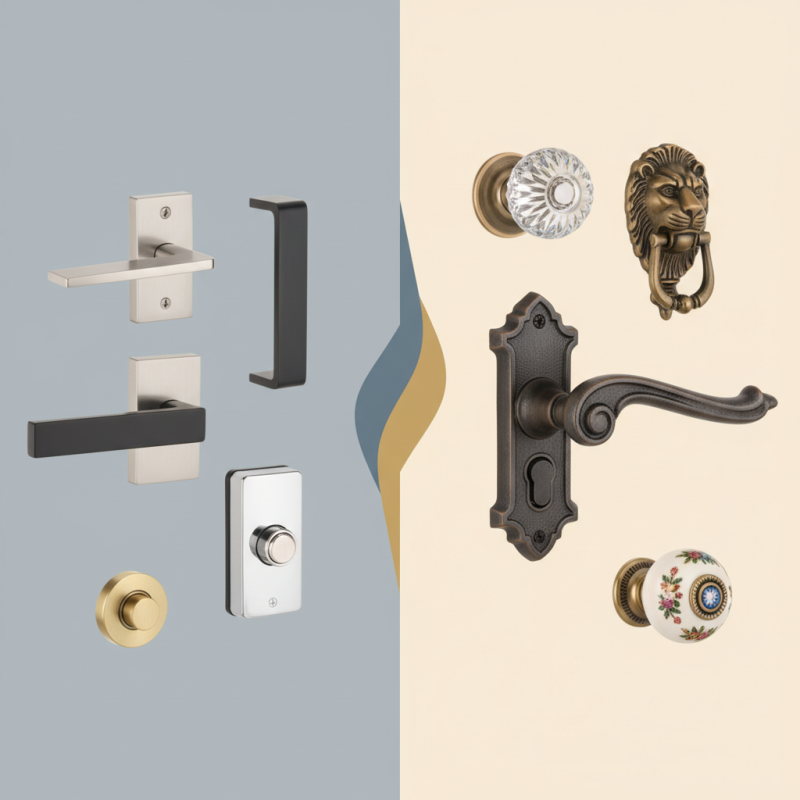
Another critical factor is style. Door hardware should complement your home’s decor. Mixing modern and traditional styles may lead to a discordant look. Test handles and locks for comfort. Uncomfortable hardware can be a subtle yet frustrating issue. Additionally, remember to check local building codes. Some areas have specific requirements for safety and accessibility, which your choice must adhere to.
Balancing aesthetics and function can be tricky. Sometimes, the most beautiful hardware doesn’t work well in everyday use. Prioritize what matters most to you. Form and function must go hand in hand. Reflect on your family’s needs and lifestyle before making choices. Aim for a blend of style, durability, and practicality. Your selections will impact your home for years to come.
Popular Materials Used in Door Hardware Design
When selecting door hardware, the material choice plays a crucial role. Metal is a popular option, known for its durability. Stainless steel and brass are particularly favored. They resist wear and can withstand various weather conditions. The sleek appearance of these metals adds a modern touch to any home. However, they can be cold to the touch and may not fit every design scheme.
Wood is another common material. Its warmth and natural beauty are unmatched. Many homeowners choose wood for its classic look. However, wood requires regular maintenance to prevent warping and damage. It can be susceptible to moisture and pests, making it less ideal in certain environments.
Lastly, plastic and composite materials offer an affordable alternative. They come in various colors and styles, making them versatile. However, they might not provide the same level of durability as metal or wood. They can fade over time. Each option has its advantages and drawbacks. Reflecting on the needs of your home can help guide your decision.
Functional and Aesthetic Styles of Door Hardware
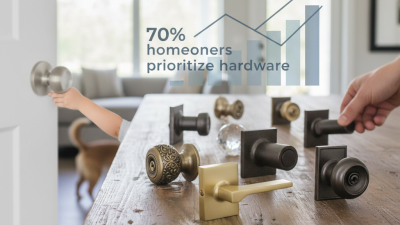
When choosing door hardware, both functionality and aesthetics play crucial roles. According to a recent study by the National Association of Home Builders, nearly 70% of homeowners prioritize design when selecting door hardware. This reflects a growing trend where style meets practicality. For instance, sleek lever handles can serve both modern and traditional decors. The choice of finish, whether matte black or brushed nickel, can dramatically alter a room's ambiance.
Yet, not all hardware options blend practicality with beauty. Sometimes, a focus on looks might compromise functionality. For example, elaborate designs may be harder to operate for young children or the elderly. Additionally, the durability of decorative pieces often raises concerns. Some finishes may show wear over time, which can detract from a room's overall aesthetic. In an ever-evolving market, the key is balancing style with user experience. Finding that perfect harmony can require personal reflection and some trial and error.
Maintenance Tips for Longevity of Door Hardware
Door hardware is essential for every home. Proper maintenance is necessary for longevity. Regular cleaning and inspection can prevent issues down the line. Dust and grime often accumulate around hinges and locks. This buildup can cause parts to jam. A simple wipe with a damp cloth can make a significant difference.
Lubrication is crucial. Use a suitable lubricant on hinges and locks. This helps them operate smoothly. Over time, you might notice squeaky hinges or stiff locks. It's a sign that they need some attention. Apply a few drops of lubricant and work it into the moving parts. This should eliminate the noise and restore functionality.
Pay attention to rust, especially in humid areas. Metal door hardware may corrode if not cared for properly. Consider using a sealant to protect against moisture. Regularly check for signs of wear, like scratches or discoloration. Catching these early can save replacements later. Remember, a little maintenance goes a long way in preserving your door hardware for years.
Top Door Hardware Options for Every Home Need
| Hardware Type |
Material |
Finish Options |
Recommended Use |
Maintenance Tips |
| Deadbolts |
Steel |
Satin Nickel, Oil Rubbed Bronze |
Main Entry Doors |
Lubricate yearly to prevent sticking |
| Door Knobs |
Brass, Zinc |
Polished Chrome, Antique Brass |
Interior Doors |
Clean with a soft cloth to avoid scratching |
| Lever Handles |
Aluminum, Stainless Steel |
Matte Black, Brushed Nickel |
Accessible Spaces |
Inspect for loose screws regularly |
| Hinges |
Steel, Stainless Steel |
Brass, Black |
All Doors |
Oil the pin if squeaking occurs |
| Sliding Door Locks |
Aluminum |
White, Brown |
Patio Doors |
Check functionality regularly; replace if necessary |