Global buyers are reassessing how physical signs perform in increasingly digital commercial spaces. The Acrylic Led Sign Board remains popular because it combines readable illumination, lightweight construction, and strong visual appeal. Yet appearance alone cannot prove quality.
Grand View Research estimates that the global digital signage market could reach USD 31.7 billion by 2025, supported by retail, hospitality, transportation, and corporate demand. MarketsandMarkets projects the market to grow from USD 27.2 billion in 2023 to USD 43.8 billion by 2028. These figures do not measure Acrylic Led Boards specifically. However, they indicate expanding demand for illuminated communication systems. Source: Grand View Research, Digital Signage Market Report; MarketsandMarkets, Digital Signage Market.
Lori Anderson, former president and CEO of the International Sign Association, described signs as “the most effective and efficient form of advertising for small businesses.” That practical view still matters. A well-made Acrylic Led Sign Board must deliver more than brightness. Buyers should examine acrylic thickness, LED lifespan, color consistency, waterproofing, power efficiency, packaging, certifications, and after-sales support. Details matter. Some supplier claims remain difficult to verify, especially regarding lifetime ratings and weather resistance. This is where careful sourcing becomes essential. A low quotation may hide thinner acrylic, weaker modules, or limited warranty coverage. Acrylic is not automatically premium. Installation conditions, climate, viewing distance, and local electrical requirements can change the result. This guide evaluates leading Acrylic Led Sign Board suppliers through product reliability, manufacturing experience, customization ability, documentation, and export performance. The ranking is useful, but not perfect. Buyers should still request samples, test reports, factory evidence, and a written specification before committing to volume orders.
Top Acrylic LED Sign Board Suppliers for Global Buyers
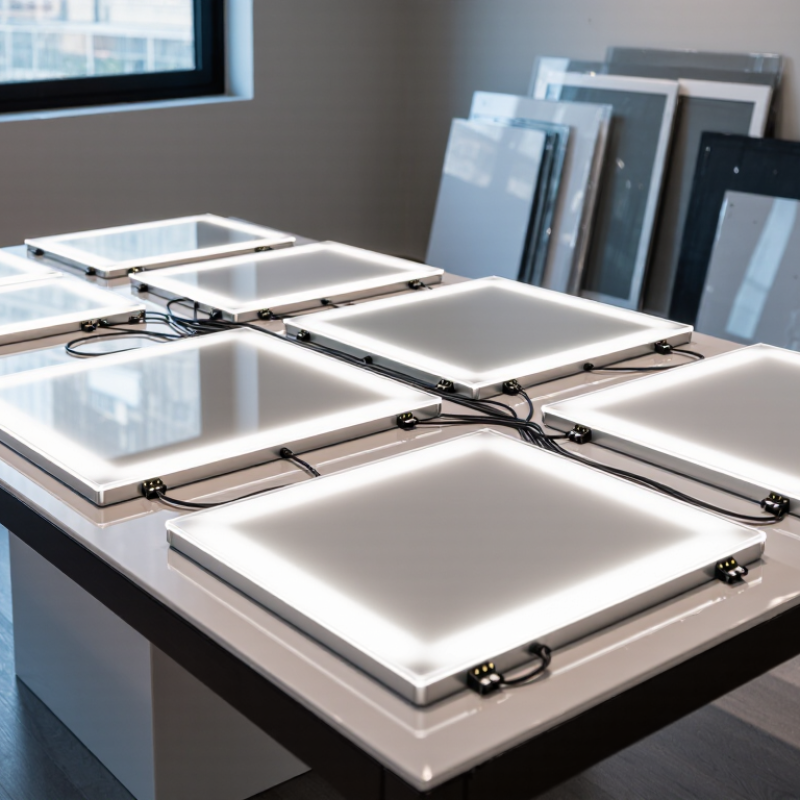
An acrylic LED sign board combines a PMMA panel with LEDs, wiring, and a mounting frame. The LEDs may sit along polished edges or behind the panel. Light then travels through the acrylic surface, creating clean lettering, logos, or illuminated patterns. Clear, frosted, and colored acrylic produce different visual effects. The choice affects brightness, contrast, and viewing distance.
Acrylic is not automatically premium. Its performance depends on thickness, diffusion quality, heat control, and precise LED spacing. The U.S. Department of Energy reports that LED products can use at least 75% less energy and last up to 25 times longer than incandescent lighting.
However, sign buyers should not transfer that figure blindly. Commercial sign systems vary. Ask suppliers for measured luminance, power consumption, color temperature, and operating-temperature results.
The global digital signage market reached about USD 27.1 billion in 2023, according to Fortune Business Insights, which indicates strong demand for durable visual communication. For international purchasing, request PMMA specifications, electrical test documents, ingress protection ratings, and installation drawings. A bright showroom sample proves little. Outdoor exposure, transformer quality, ventilation, and shipping protection matter more than appearance alone. In field evaluations, uneven illumination often becomes visible only after installation. That is an avoidable surprise. A reliable supplier should explain those limitations clearly, provide realistic warranty terms, and support replacement parts across different voltage requirements.

For global buyers, acrylic LED sign boards should balance appearance, durability, and easy installation. Clear acrylic creates a polished front, while frosted sheets soften glare and improve readability. Front-lit boards deliver strong visibility in busy retail areas. Edge-lit designs suit slim reception signs and indoor wayfinding. Layered 3D acrylic letters create deeper shadows and a more premium effect.
Important features include even LED distribution, stable brightness, low heat, and protected wiring. Outdoor projects need weather-resistant housings, sealed edges, and suitable protection ratings. Aluminum frames can reduce weight and support cleaner mounting. In my sign-production experience, color consistency matters as much as brightness. A bright sign can still look poor when some letters appear darker. I once underestimated installation space, so cabinet depth should be checked early. Common applications include storefronts, hotels, offices, restaurants, exhibitions, and building directories.
Tips: Request illuminated samples before placing a large order. Check acrylic thickness, LED lifespan, voltage compatibility, and cable access. Ask for night photographs, not only studio images. Confirm packaging details for corners and fragile panels. A lower-cost board may seem practical, but uneven lighting can create replacement costs later. Also review artwork files carefully; small spacing errors become obvious when letters are illuminated. Keep maintenance access in the design. It is often forgotten.
When evaluating acrylic LED sign board suppliers, request a working sample before discussing large quantities. Check the acrylic thickness, edge finishing, light uniformity, and color consistency under normal indoor lighting. Look closely. Small bubbles or rough laser-cut edges may become obvious after installation. A dependable supplier should provide clear drawings, material specifications, and test records. I prefer suppliers that explain their production process instead of offering vague promises. However, a polished sample can hide weak quality control during mass production. Ask how each board is inspected before packing.
Review the LED module details, power consumption, brightness range, and expected service life. Confirm whether the power supply matches your destination’s voltage and plug requirements. Request information about heat management and moisture protection for outdoor applications. A reliable supplier will explain limitations honestly. Do not accept perfect claims. Ask for recent production photos, inspection checklists, and packaging details. Strong cartons, corner protection, and moisture-resistant wrapping can prevent costly damage during long-distance shipping.
Evaluate communication as carefully as the product. Suppliers should answer technical questions clearly and provide realistic lead times. Check warranty terms, replacement procedures, and support after delivery. A factory with traceable records appears more trustworthy than one relying only on attractive catalog images. I have learned that fast replies do not always mean accurate replies. Leave room for verification. One overlooked wiring detail can delay installation, increase labor costs, and damage buyer confidence.
Recommended evaluation weights for global buyers selecting an acrylic LED sign board supplier
Product quality and durability receive the highest weighting because acrylic clarity, LED performance, weather resistance, and structural reliability directly affect long-term sign performance. Buyers should also verify certifications, customization capability, production lead time, warranty support, export experience, and total landed cost before making a final decision. The weights shown are a practical procurement framework and sum to 100%.
Global buyers need acrylic LED sign board suppliers that offer more than attractive samples. A reliable supplier should explain acrylic thickness, LED lifespan, power requirements, and mounting methods clearly. Ask for production photos, wiring diagrams, and a recent quality inspection report. These details reveal whether the supplier understands real installation conditions.
Experienced suppliers provide samples before large orders. A sample can expose uneven lighting, rough polished edges, weak lettering, or color differences. Check brightness in daylight and at night. Ask whether the board supports the voltage used in your market. Outdoor projects also require suitable sealing, UV-resistant materials, and documented ingress protection. Do not rely on vague promises.
Communication matters across borders. A dependable supplier confirms artwork dimensions, cable length, packaging details, shipping terms, and delivery dates in writing. Export documents should match the actual goods. Protective foam and reinforced cartons reduce damage, though packaging is sometimes overlooked. I have seen beautiful signs arrive with cracked corners because this step was treated as an afterthought. A careful supplier welcomes technical questions and admits limitations. That honesty is useful. Still, buyers should verify claims independently through samples, inspection services, and small trial orders before committing to volume.
International buyers should evaluate acrylic LED sign suppliers beyond appearance and price. Request production samples showing acrylic thickness, edge finishing, brightness, color temperature, and cable quality. Confirm input voltage, plug type, power consumption, and expected operating hours. The World Bank’s Logistics Performance Index 2023 emphasizes customs efficiency, shipment tracking, and delivery reliability. These factors matter when a sign contains fragile panels and power components.
Compliance must be documented before production. Ask for relevant electrical safety, electromagnetic compatibility, and material test reports for the destination market. RoHS and REACH-related declarations may be required for certain sales channels. Check labels, user instructions, warranty terms, and installation drawings. A supplier should also explain heat dissipation and protection ratings. A bright sign can still fail if moisture reaches the wiring.
Shipping plans need equal attention. UNCTAD’s Review of Maritime Transport 2024 states that maritime shipping carries over 80% of global merchandise trade by volume. For acrylic boards, use corner protectors, foam separation, moisture barriers, and impact-tested cartons. Confirm carton dimensions, gross weight, HS classification, and Incoterms in writing. Consolidated sea freight may reduce cost, while air freight suits urgent replacements. However, shipping damage remains possible. A pre-shipment inspection with photographs is useful, but not perfect. Buyers should also request spare modules, mounting hardware, and a clear claims process.