What is a Prefab Container House and How Does it Work?
A Prefab Container House is an innovative housing solution that redefines modern living. Constructed from shipping containers, this type of house combines durability and versatility. Prefab Container Houses can be easily transported and assembled, making them ideal for various locations.
These homes utilize sustainable materials and efficient construction methods. They can offer a stylish appearance while being eco-friendly. Many people appreciate the minimal waste generated during their production. However, there are challenges too. Limited space can be an issue. Residents may find it difficult to maximize functionality in small areas.
Prefab Container Houses are often customizable. This allows homeowners to express their unique styles. Yet, balancing creativity with practical needs can lead to frustrations. Overall, the Prefab Container House movement offers exciting opportunities but requires thoughtful planning and reflection.
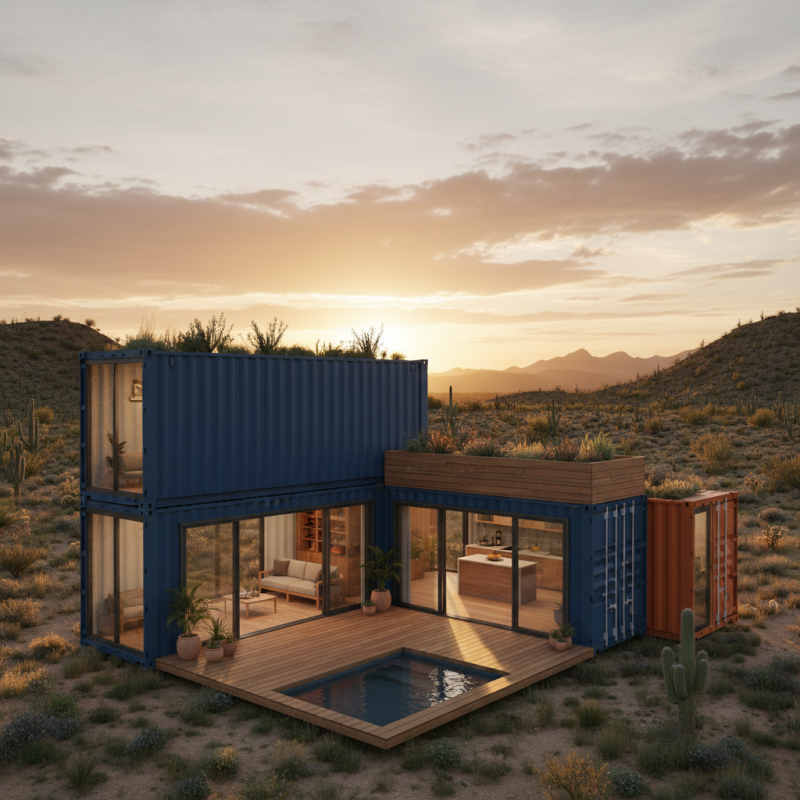
Definition and Characteristics of Prefab Container Houses
Prefab container houses have gained significant attention in recent years. These homes are made from repurposed shipping containers, offering a unique approach to housing. According to a report from the National Institute of Standards and Technology, the global prefab housing market is expected to reach $121 billion by 2026. This trend speaks volumes about their growing popularity.
One key characteristic of prefab container houses is their modular nature. These homes can be customized and assembled with ease. They often utilize sustainable materials, making them more eco-friendly than traditional homes. Statistics show that a well-designed container home can reduce construction waste by up to 70%. However, the design flexibility sometimes leads to challenges. Not all layouts are practical for family living.
Another aspect to consider is energy efficiency. Many prefab container houses come with insulation that meets high energy standards. The U.S. Department of Energy notes that improved insulation can cut energy costs by as much as 30%. Still, there are potential drawbacks. For instance, finding suitable land or navigating local zoning laws can prove difficult for owners. The journey to a sustainable living space requires careful planning and consideration.
What is a Prefab Container House and How Does it Work? - Definition and Characteristics of Prefab Container Houses
| Characteristic | Description |
| Definition | A prefab container house is a type of housing constructed using repurposed shipping containers. |
| Sustainability | Utilizes recycled materials, reducing construction waste and environmental impact. |
| Cost Efficiency | Generally more affordable than traditional homes due to lower material costs and faster build times. |
| Portability | Can be easily transported and relocated as needed. |
| Customization | Offers a wide range of design options and configurations to meet individual needs. |
| Durability | Built to withstand extreme weather conditions, making them a long-lasting option. |
| Energy Efficiency | Can incorporate energy-efficient systems such as insulation, solar panels, and energy-efficient appliances. |
The Construction Process of Prefab Container Houses
The construction process of prefab container houses involves several crucial steps. First, architects design plans tailored to specific needs. These plans must address space optimization and functionality. Using shipping containers as primary structures, builders often order these units from suppliers. This approach reduces waste and speeds up the overall timeline.
Once the containers arrive, the real work begins. Workers inspect each unit for damage or structural issues. After ensuring they are safe, modifications can start. Cutting windows and doors adds natural light and accessibility. Insulation is crucial; it helps with temperature control. Many units also require plumbing and electrical systems, which can lag behind schedule.
Next, the assembly process brings everything together. Containers are aligned and welded to create a unified structure. This step often reveals challenges, like uneven surfaces or difficult connections. It's not always perfect. Finally, the exterior and interior finishes give the house its character. Choosing colors and materials adds personal touches, but can be overwhelming. This careful attention transforms a simple container into a livable space.
Advantages of Prefab Container Houses over Traditional Homes
Prefab container houses offer numerous advantages over traditional homes. One major benefit is their cost-effectiveness. These homes are typically less expensive to produce, meaning lower financial barriers for homeowners. They are also quick to assemble, allowing you to move in faster. This time efficiency makes them ideal for those needing immediate housing solutions.
Another significant advantage is their portability. If life circumstances change, you can relocate your home with relative ease. This mobility provides flexibility that traditional homes cannot match. Many find this appealing, especially for those in transient lifestyles or jobs. However, selecting a suitable location can be challenging. Access to utilities in new areas is one aspect to consider carefully.
Here are a few tips for anyone considering prefab housing:
- Research local zoning laws. Some areas have restrictions on where you can place these homes.
- Ensure proper insulation. Container homes can become hot or cold quickly without adequate insulation.
- Think about customization. While many designs are standard, personalizing your space can enhance comfort.
Common Applications and Uses of Prefab Container Houses
Prefab container houses have gained popularity for their versatility and quick assembly. These structures often serve as emergency shelters, portable offices, or even vacation homes. According to a recent industry report, the global market for modular housing, including container homes, is projected to grow by 6% annually, reflecting a rising demand for affordable and sustainable housing solutions.
One notable application is in disaster relief efforts. Prefab container houses can be transported quickly to areas affected by natural disasters. They provide essential shelter for displaced individuals and can be set up within days. Schools also utilize these units. They offer flexible spaces for classrooms, especially in regions facing infrastructure challenges. However, some reports indicate that the quality of living spaces in such constructions may vary, leading to concerns about long-term sustainability and comfort.
Another common use is in urban settings where space is limited. These homes can be installed in backyards or vacant lots. They can house artists, students, or professionals seeking affordable living arrangements. However, it’s essential to consider local zoning regulations, as they may not always permit such setups. Additionally, integrating utilities into these structures can pose challenges that require careful planning.
Prefab Container House Applications
This chart illustrates the various applications of prefab container houses across different sectors, highlighting their growing popularity and versatility in modern construction.
Environmental Impact and Sustainability of Prefab Container Houses
Prefab container houses are gaining attention for their environmental benefits. They often use recycled materials, significantly reducing waste. According to a report by the World Green Building Council, buildings account for 39% of CO2 emissions. Prefab homes can help lower this figure by utilizing less material than traditional construction methods.
These homes can be energy-efficient, yet they are not without challenges. A study by the National Institute of Building Sciences highlights that poor insulation may lead to increased energy demands. The design often depends on the local climate and site conditions, affecting performance. While many container homes use eco-friendly materials, some still rely on conventional components, which can undermine sustainability efforts.
Furthermore, the long-term durability of container homes is often debated. Containers are steel-based, which can resist pests and weather. However, corrosion is a concern in humid climates, necessitating regular maintenance. This reality raises questions about the true sustainability of prefab designs. Despite their promise, ongoing evaluation is essential to ensure a genuinely green lifestyle.