10 Essential Tips for Choosing the Best Exterior Doors for Your Home?
Choosing the right exterior doors is vital for your home's aesthetics and security. Exterior doors serve as the first line of defense against intruders. They also affect your home's energy efficiency. Selecting the perfect style can enhance your curb appeal.
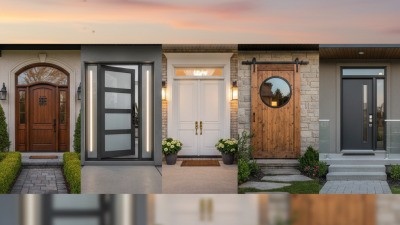
Consider the materials available for exterior doors. Wooden doors offer elegance but may require maintenance. Fiberglass options provide durability with less upkeep. Make sure the door matches your home’s architectural style. A mismatched door can detract from your home's beauty.
Don't overlook how colors can impact the overall look. A bright color can make a bold statement. Meanwhile, darker tones can impart sophistication. Remember to think about functionality as well. The door should be easy to operate. As you evaluate your options, take your time. Reflect on your choices before committing. Exterior doors are more than just entry points; they shape your living environment.
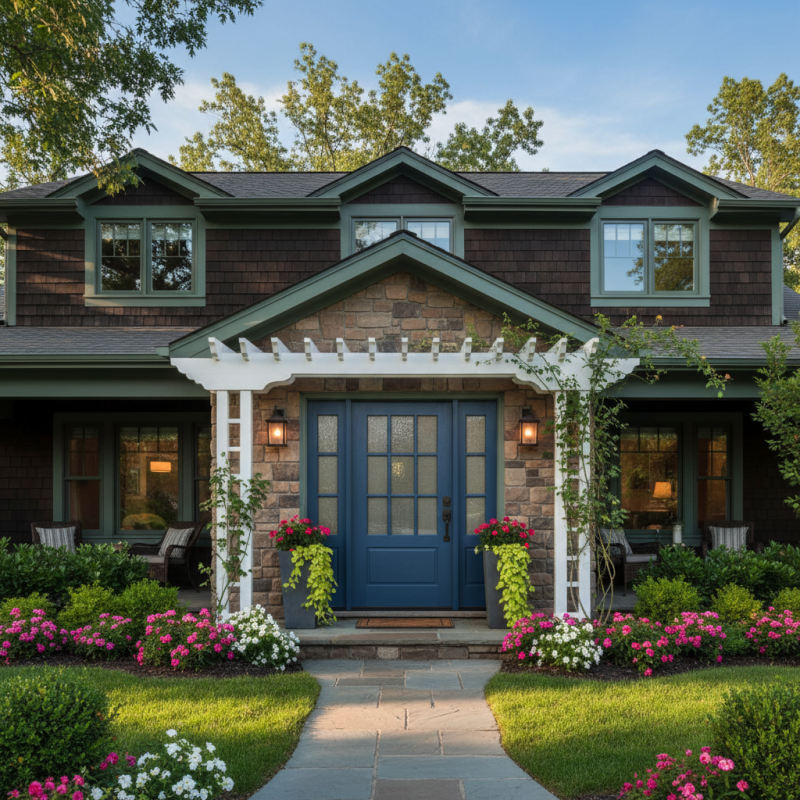
Factors to Consider When Selecting Exterior Doors for Your Home
When selecting exterior doors for your home, several factors come into play. A primary consideration is
energy efficiency. According to the Department of Energy, energy losses through doors can account for
10-15% of your home’s energy use. Choosing doors with good insulation can significantly reduce energy costs.
Look for doors with an ENERGY STAR label, which indicates they meet strict efficiency guidelines.
Another important factor is material. Exterior doors are commonly made from
wood, fiberglass, and steel. Each material has distinct advantages. For example, fiberglass is highly durable and
resistant to warping. However, wood offers a classic aesthetic that many homeowners prefer. It is crucial to think
about the maintenance each material requires. Do you want to paint or stain your door regularly? This
decision affects long-term satisfaction with your choice.
Security is often overlooked, but it should be a top priority. A study by
the Bureau of Justice Statistics shows that around
30% of burglaries occur through an unsecured door. Invest in doors that come with sturdy locks and
reinforced frames. Take the time to weigh these factors carefully. Your choice in exterior doors can shape your
home’s security, efficiency, and curb appeal.
Choosing the Right Material for Your Exterior Doors
When choosing exterior doors, the material is a key consideration.
Wood, fiberglass, and steel each have unique benefits and drawbacks.
Wood doors offer a classic look and can be customized easily.
However, they require regular maintenance to prevent weather damage.
You might find the beautiful grain captivating, yet it may warp if not treated properly.
Fiberglass doors are durable and energy-efficient.
They resist dents and scratches better than wood. This makes them a great choice for busy households.
Still, some may miss the authentic feel of natural wood. Sometimes, you may find yourself debating between
style and practicality. It’s important to reflect on what suits your lifestyle best.
Steel doors provide high security and energy efficiency.
They can withstand harsh weather conditions, which is a bonus.
Yet, they can be prone to rust without proper coating. This might lead to unsightly marks over time.
As you weigh these options, think about your home’s aesthetic. Each material impacts both
beauty and functionality, shaping the first impression of your home.
Understanding Energy Efficiency Ratings for Exterior Doors
When choosing exterior doors, energy efficiency is crucial.
The U.S. Department of Energy indicates that doors account for 10-15% of heat loss in homes. This statistic underscores the importance of selecting doors with high energy efficiency ratings. Look for doors with low U-values; these values tell you how well a door insulates against heat flow. The lower the U-value, the better the door's insulation properties.
Understanding the Energy Star certification is vital too. According to Energy Star, doors that meet their guidelines can save homeowners an average of 10-15% on energy bills. However, many homeowners overlook this detail. They may choose a door based solely on aesthetics rather than efficiency. Additionally, the R-value can be a bit misleading. Some may assume higher R-values always mean better insulation. But the entire door system’s performance matters more.
Consider proper sealing and installation techniques, which can significantly affect overall energy efficiency.
The Importance of Security Features in Exterior Doors
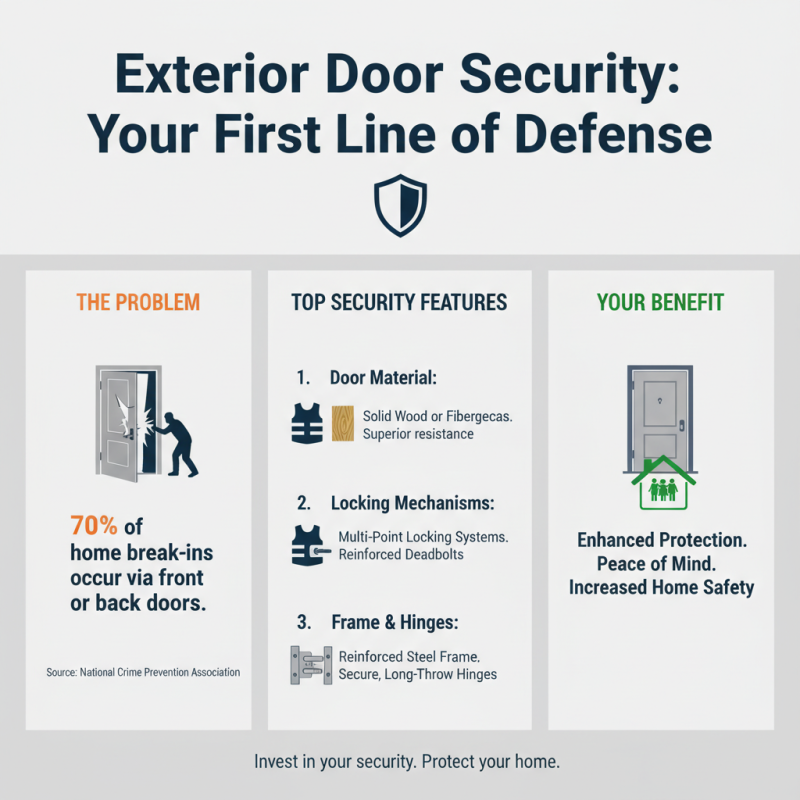
When choosing exterior doors, security features should be a top priority. The National Crime Prevention Association notes that up to 70% of home break-ins occur via front or back doors. Thus, investing in robust security is essential. Solid wood or fiberglass doors provide better resistance against forced entry.
Consider adding deadbolts or multi-point locking systems, which increase your home's safety. These systems are proven to reduce the likelihood of break-ins significantly. A study by the Institute for Crime Prevention found homes with secure entry points are less likely to be targeted.
Don’t overlook the importance of door frames. A sturdy frame enhances the door’s strength. Thinner frames are vulnerable to kick-ins. Additionally, consider reinforcement options like steel plates. Keep in mind that aesthetic appeal is also important, but it should not compromise security. Always request info or recommendations that focus on both design and safety.
Aesthetic Considerations for Curb Appeal and Cohesion
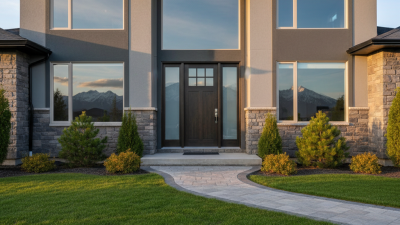
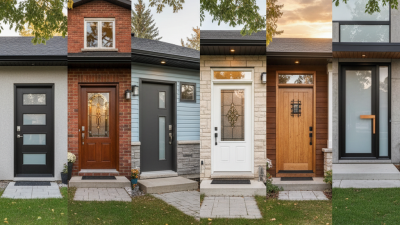
Choosing the right exterior doors can greatly enhance your home's curb appeal. Think about the color and style that complements your house. A bold red door might stand out beautifully against neutral walls. Conversely, a classic white door offers timeless elegance. But remember, striking a balance is key. Too many contrasting elements can make your façade look chaotic.
Consider the materials used for the doors. Wood can add warmth but may require more maintenance. Metal doors are durable and modern. However, they might lack the character found in wood. Reflect on what you want your home to convey. A door isn’t just an entry point; it also reflects your personal taste.
Don’t overlook the importance of cohesion. Every element—from windows to landscaping—should work together. A sleek door with detailed molding may clash with simple siding. Likewise, intricate designs might not suit a minimalist home. Finding harmony can be challenging but rewarding. Don't rush the decision; take time to visualize. Finally, consult your neighbors’ styles. Sometimes, stepping out of your comfort zone leads to unexpected beauty.
10 Essential Tips for Choosing the Best Exterior Doors for Your Home