How to Choose the Right Warehouse Door in 2026?

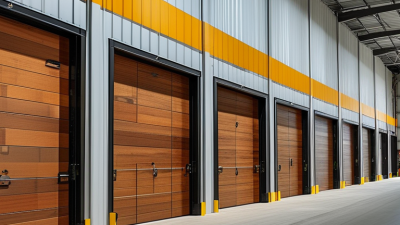
Choosing the right warehouse door in 2026 requires more than comparing prices or browsing attractive product photos. A door must match traffic patterns, building dimensions, climate, safety needs, and maintenance capacity. In a busy distribution center, a few seconds of delay can create long vehicle queues and unnecessary energy loss. The best door warehouse solution supports daily movement without becoming a hidden operational burden.

Start with real conditions, not assumptions. Measure the opening, ceiling clearance, floor level, and available side space. Observe how often forklifts, trucks, pedestrians, and automated equipment pass through each entrance. High-speed fabric doors may suit frequent indoor traffic, while insulated sectional doors can better protect temperature-controlled areas. Cold storage may require specialized seals, heated frames, and reliable safety sensors. The right specification should come from site records and experienced installer recommendations.

Small details matter.

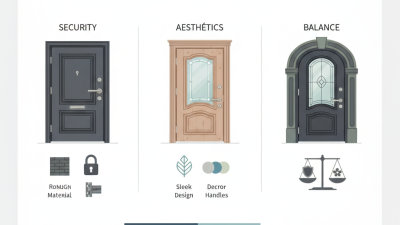
In 2026, connected monitoring can report opening cycles, impact events, and maintenance warnings. Yet technology should not replace practical judgment. A sensor may fail when dust, moisture, or poor alignment is ignored. I have seen projects focus on opening speed while overlooking drainage and vehicle approach angles. That mistake can increase repairs later. Consider wind exposure, corrosion risk, emergency access, noise, cleaning routines, and spare-part availability. A dependable choice balances performance, safety, lifecycle cost, and local service support. The answer may not be the newest model. It may be the door that works consistently, remains easy to inspect, and fits the people using it every day.

How to Choose the Right Warehouse Door in 2026?

What Is a Warehouse Door and Why Does the Right Choice Matter?

A warehouse door is more than a movable wall. It controls access, airflow, noise, daylight, and the movement of goods. In daily operations, it may open hundreds of times, face forklifts, and endure dust, rain, or temperature changes. The right door supports safer traffic and steadier working conditions. The wrong one creates delays. Small failures become expensive.

Choosing well starts with the building’s real demands. Measure opening size, vehicle clearance, traffic frequency, wind exposure, and indoor temperature needs. A high-speed door may suit busy loading areas, while an insulated sectional door can help protect temperature-sensitive storage. Fire-rated or security-focused doors may require professional assessment and local approval. In my experience, teams often focus on purchase price first. That is understandable, but maintenance, repair access, energy loss, and downtime can cost more over time. No checklist is perfect. Conditions change.

Tips: Watch the door during a normal shift. Listen for unusual vibration. Check whether workers slow down near it. Ask installers about cycle ratings, safety sensors, emergency operation, cleaning, and replacement parts. Leave enough space for future equipment. A door that fits today may feel restrictive next year. Document inspections and review performance after harsh weather. Reliable choices come from measured use, not attractive specifications alone.

Which Warehouse Door Types Suit Different Operations?

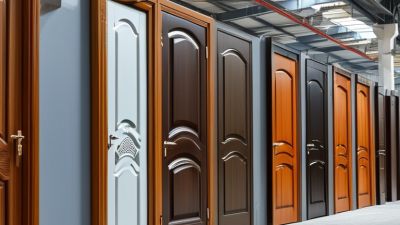
Choosing the right warehouse door starts with the operation, not appearance. Each opening handles a different rhythm of work, traffic, and risk.

High-speed doors suit busy loading areas where forklifts move constantly. Their rapid opening reduces waiting time and limits dust, drafts, and temperature loss. Cold-storage rooms need insulated doors with reliable seals. A small gap can raise energy use and create slippery condensation near the threshold. Sectional doors work well for standard loading bays. They offer insulation, visibility, and practical access for scheduled deliveries. Rolling doors are useful where wall space is limited. However, their compact design may provide less insulation than a well-sealed sectional system.

Fire-rated doors belong in areas requiring compartment protection. They must match the building design and receive regular inspections. Personnel doors should remain separate from vehicle routes whenever possible. This reduces collision risks around blind corners and narrow aisles. For pedestrian-heavy facilities, a vision panel and controlled closing speed can improve daily safety.

I have seen teams choose oversized doors for occasional deliveries. That decision looked flexible, but it increased installation and maintenance costs. Door dimensions should match the largest routine load, not the largest imaginable one. Measure pallet height, vehicle clearance, traffic frequency, and indoor temperature needs. Also check drainage, wind exposure, and available maintenance access. A door that performs well on paper may struggle when operators open it manually during a rushed shift. That practical detail is easy to miss.

How to Evaluate Door Materials, Sizes, and Opening Mechanisms

Choosing a warehouse door starts with the building’s daily rhythm, not its appearance. Measure the clear opening, wall thickness, headroom, traffic lanes, and forklift height. A 3.6-meter-wide door may suit pallets, but it can waste energy when oversized. The U.S. Department of Energy advises reducing uncontrolled air leakage in commercial buildings. That matters when doors open repeatedly beside heated or cooled storage areas.

Material choice should match impact, moisture, temperature, and repair conditions. Insulated steel panels provide strength and thermal resistance, while aluminum can reduce corrosion concerns in damp zones. High-cycle fabric doors may suit fast vehicle movement, but they need careful tension and track inspections. Look at actual operating data. The International Energy Agency’s Energy Efficiency 2023 report estimates that buildings consume about 30% of global energy demand. A poorly sealed dock door will not explain all that demand, but it can raise local heating and cooling loads. Small losses accumulate.

Opening mechanisms deserve practical testing. Sectional doors need overhead clearance. Rolling doors suit compact headroom but require disciplined maintenance. High-speed doors reduce open time, yet their sensors must detect pedestrians and vehicles reliably. Safety requirements should be checked against OSHA rules and NFPA 80 for applicable fire-door assemblies. Do not trust a catalogue cycle rating alone. Dust, cold seals, uneven floors, and rushed operators change performance. I would record opening frequency for one week before choosing. A neat spreadsheet can still miss the messy reality.

How to Choose the Right Warehouse Door in 2026?

Comparing door materials, typical sizes, and opening mechanisms for common warehouse applications

High-speed fabric and insulated sectional doors are generally suitable for frequently used temperature-controlled areas, while rolling steel and fire-rated rolling doors prioritize security, durability, and code compliance. The values shown are typical planning ranges: actual performance depends on door size, material thickness, insulation, wind exposure, traffic frequency, and the selected operating system.

What Safety, Insulation, and Security Features Are Essential?

How to Choose the Right Warehouse Door in 2026?

What Safety, Insulation, and Security Features Are Essential?

A warehouse door should protect people before it protects inventory. In daily operations, clear sightlines and slow, controlled movement reduce collisions between forklifts and pedestrians. Add photo sensors, emergency stops, and audible warnings where traffic is heavy. A door that closes too quickly can create a serious hazard. Test these controls during busy shifts, not only during installation.

Insulation matters when warehouses store food, medicine, electronics, or temperature-sensitive materials. Look for tight perimeter seals, insulated panels, and limited air leakage. An air curtain may help at frequently used openings, but it cannot fix a poorly aligned door. Measure indoor temperature near the doorway during loading. The results often reveal problems that a product brochure misses. Energy performance also depends on usage frequency, wind exposure, and maintenance.

Security needs more than a strong lock. Reinforced guides, tamper-resistant controls, access credentials, and recorded entry events can limit unauthorized access. Choose controls that remain usable during power interruptions and emergency conditions. Regular inspections should check springs, cables, tracks, seals, and sensors. I have seen teams postpone maintenance because the door still opened. That decision usually costs more later. No checklist is perfect. Staff feedback can expose weak points, especially when workers report drafts, delayed closing, or confusing controls. Consult qualified installers and verify local safety requirements before ordering.

How to Compare Costs, Maintenance, and Long-Term Performance

In 2026, warehouse door selection should begin with total cost, not the purchase price. A low-cost door may require frequent spring replacement, sensor adjustment, and emergency repairs. I have seen one damaged seal increase drafts within weeks. Small losses become expensive during winter.

Build a ten-year comparison for each door type. Include purchase, installation, inspections, spare parts, energy loss, and downtime. The UNEP 2023 Global Status Report for Buildings and Construction states that buildings used about 30% of global final energy in 2022. Poorly sealed loading doors can worsen that burden, especially in temperature-controlled warehouses. Compare opening speed, insulation, cycle rating, and resistance to impact. Faster operation may reduce air exchange, but only if the door closes reliably.

Maintenance deserves equal attention. Request documented cycle testing, replacement intervals, and service access before approving a specification. ISO 15686-5 recommends life-cycle costing rather than single-price comparisons. That principle is practical here. A door costing 15% more may be cheaper after five years if it reduces stoppages and technician visits. However, cycle ratings are not magic numbers. Actual traffic, operator training, forklifts, dust, and weather can change results. The uncomfortable question is simple: will the maintenance plan work at 2 a.m., during a winter breakdown? Many comparisons ignore that detail. They should not.

How to Choose the Right Warehouse Door in 2026? - How to Compare Costs, Maintenance, and Long-Term Performance

Warehouse Door Type Typical Installed Cost
(USD, 2026 Planning Range)
Typical Opening Speed Insulation Performance Typical Service Life Recommended Annual Maintenance Budget Common Cycle Rating Energy and Climate-Control Performance Best-Fit Applications Key Cost or Performance Consideration
High-Speed Fabric Roll-Up Door $8,000–$25,000 Approximately 2–4 ft/s opening speed Low to moderate; typically R-2 to R-4 depending on curtain construction 10–15 years with regular inspections and proper traffic control Approximately 2%–5% of installed cost per year About 100,000–1,000,000 cycles, depending on design and usage Reduces air exchange and improves traffic flow, but is not normally the primary thermal barrier High-traffic loading bays, production areas, distribution centers, and internal warehouse openings Higher initial cost than basic industrial doors, but fast operation can reduce drafts, waiting time, and forklift exposure
Insulated Sectional Overhead Door $6,000–$18,000 Approximately 8–12 in/s, depending on operator and panel size Moderate to high; commonly R-10 to R-18 15–25 years when springs, rollers, hinges, and seals are serviced correctly Approximately 1%–3% of installed cost per year Often rated for roughly 10,000–25,000 cycles Good thermal performance for conditioned warehouses and dock areas with moderate traffic General warehouses, shipping docks, workshops, and facilities requiring a balance of price and insulation Usually offers one of the best balances between upfront cost, insulation, repairability, and replacement-part availability
Non-Insulated Rolling Steel Door $5,000–$15,000 Approximately 6–12 in/s Low; commonly R-0 to R-4 unless an insulated curtain is specified 15–25 years in suitable indoor or sheltered applications Approximately 1%–3% of installed cost per year Often rated for approximately 10,000–25,000 cycles Limited thermal performance; may increase heating or cooling losses at exterior openings Unconditioned storage, security openings, parking areas, utility rooms, and low-to-moderate traffic zones Low purchase price and durable construction, but long-term energy costs can be higher in temperature-controlled buildings
Insulated Vertical-Lift Door $12,000–$30,000 Approximately 8–12 in/s Moderate to high; commonly R-10 to R-18 20–30 years with scheduled mechanical inspections Approximately 1%–3% of installed cost per year Often rated for approximately 10,000–25,000 cycles Strong thermal and weather performance when perimeter seals and panels remain in good condition Facilities with limited overhead space, tall openings, heavy vehicle traffic, or demanding weather exposure Costs more than a standard sectional door, but preserves ceiling clearance and can reduce interference with cranes, lights, and storage systems
Temperature-Controlled Sliding Door $15,000–$40,000 Approximately 3–10 in/s, depending on door size and operating method High; commonly R-20 to R-30 for cold-storage applications 15–25 years with frequent seal, track, heater, and hardware maintenance Approximately 2%–5% of installed cost per year Typically designed for frequent manual or powered operation; rating varies significantly by model Designed to minimize heat transfer and air leakage in refrigerated, frozen, or controlled-temperature rooms Cold storage, food distribution, pharmaceutical storage, and temperature-sensitive production areas Higher purchase and maintenance cost can be justified where temperature loss, condensation, or product protection has a high financial impact
Fire-Rated Rolling Door $10,000–$25,000 Approximately 6–12 in/s during normal operation; automatic fire closure is separate from normal opening speed Low to moderate; fire rating is not equivalent to thermal insulation 20–30 years when tested and maintained according to applicable code requirements Approximately 2%–4% of installed cost per year Cycle rating varies; periodic fire-drop testing is required in addition to ordinary operation Primarily a life-safety and compartmentation solution, not an energy-efficiency door Fire-rated walls, hazardous areas, storage compartments, and openings requiring code-compliant fire protection Maintenance and inspection requirements are more demanding because failed release mechanisms or obstructed guides can compromise fire protection
Planning assumptions: Cost ranges are representative U.S. budgetary estimates for 2026 and include typical installation but exclude major structural modifications, electrical upgrades, freight, unusual site access, permits, taxes, and regional labor differences. Actual performance depends on opening size, operating frequency, wind exposure, temperature range, installation quality, and preventive maintenance. Annual maintenance percentages are planning allowances rather than guaranteed service prices.