Why Choosing the Right Door Hardware Is Essential for Home Security?
Choosing the right door hardware is crucial for ensuring home security. Recent studies show that over 30% of burglaries occur through unsecured doors. Effective door hardware can significantly reduce these risks. Industry expert John Harrison emphasizes, “The right door hardware is your first line of defense.”
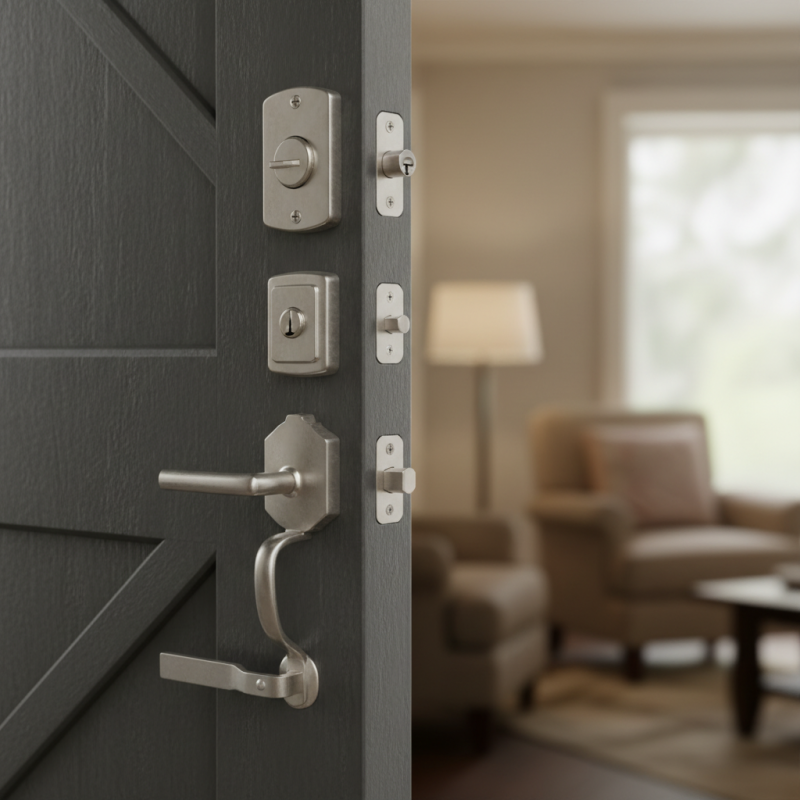
Consider that door locks and hinges play vital roles in your security plan. Quality materials can deter break-ins. Many homeowners may overlook the importance of installing deadbolts or reinforced strike plates. This common oversight can lead to vulnerabilities.
Lack of awareness about door hardware options may result in inadequate protection. It’s important to invest in high-quality products. Doing so increases the overall resilience of your home. Remember that choosing door hardware is not just a matter of style; it's a matter of safety.
Importance of Door Hardware in Home Security Statistics
Choosing the right door hardware is crucial for enhancing home security. Statistics show that nearly 34% of burglars enter through the front door. A secure door can act as a formidable barrier. However, many homeowners overlook the importance of quality hardware.
According to a report by the Bureau of Justice Statistics, homes without deadbolts are three times more likely to be burglarized. Standard door locks often fail to deter intruders effectively. Investing in robust door hardware is not just about the lock itself. It's about how well it integrates with the door and frame. Proper installation matters, too. A well-installed lock can make all the difference.
Research indicates that 70% of home invasions happen during daylight hours. Burglars often avoid homes with visible security systems, including reinforced door hardware. Yet, many homes still have outdated locks. This negligence can lead to vulnerable entry points. Regular evaluation of door security measures is essential. Simple upgrades can significantly enhance safety and peace of mind. Security shouldn’t be an afterthought; it needs to be a priority.
Types of Door Hardware and Their Impact on Security Effectiveness
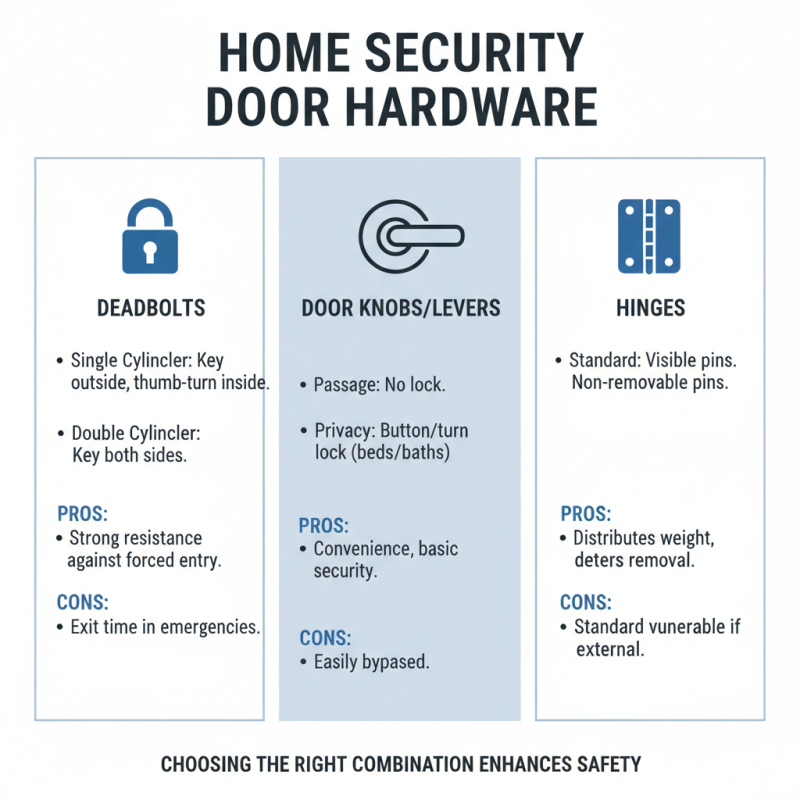
When it comes to home security, door hardware plays a crucial role. The right knobs, deadbolts, and hinges determine how secure your entrance is. There are various types of door hardware. Each has its advantages and disadvantages.
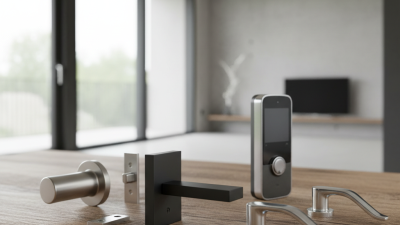
Deadbolts are often recommended for their strength. A single-cylinder deadbolt can be simple to use but leaves a weak spot if there’s a window nearby. Smart locks offer convenience, but what if they fail during a power outage? These scenarios prompt reflection on the balance between innovation and reliability in securing your home.
Doorknobs can be stylish yet vulnerable. Standard knobs can easily be broken, so it’s wise to choose a robust design. A simple cover plate might look appealing but won’t deter a determined intruder. Hinges are another area often overlooked. Exposed hinges can make it easy for someone to remove a door altogether. Considering these factors helps in making informed decisions about home security.
How Lock Grades Influence Home Security Ratings
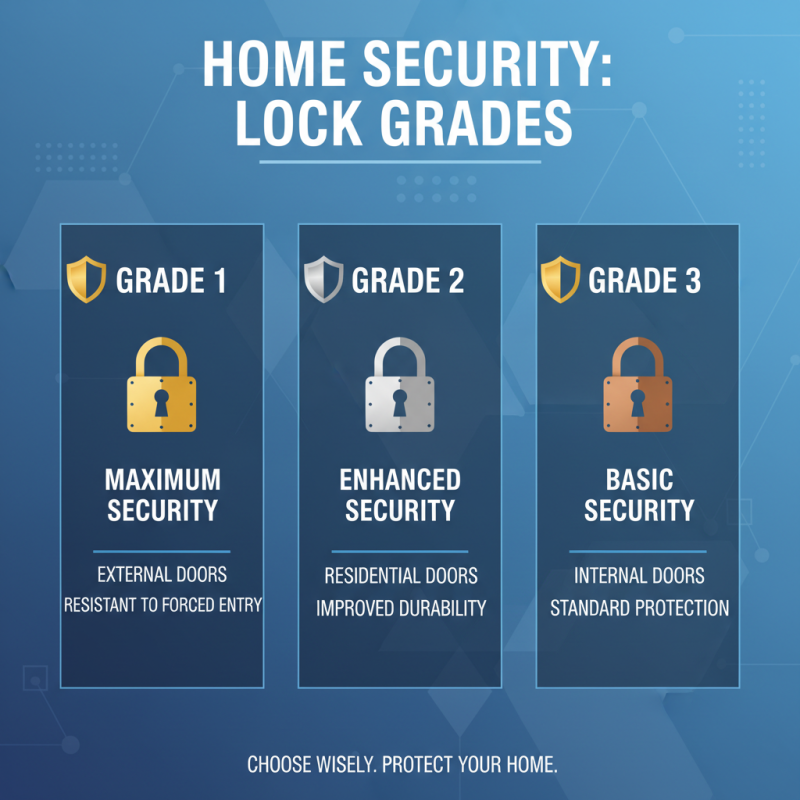
When it comes to home security, many overlook the significance of lock grades. These grades determine the strength and reliability of locks, influencing your overall protection. Locks are rated from Grade 1 to Grade 3. Grade 1 locks offer the highest level of security, suitable for external doors. They are generally resistant to forced entry and more durable.
Consider your doors. An exterior door deserves a robust lock. But many homes still rely on outdated hardware. This raises concerns about safety. A simple lock may seem enough, yet it often lacks resistance to modern techniques intruders use today. It's vital to assess your lock options seriously.
homeowners often focus on alarms or cameras but neglect the first line of defense. Hardware requirements may vary depending on your neighborhood’s safety levels. Upgrade to higher-grade locks if your area has seen recent crime. Sometimes, it’s the little details that make a big difference. A lock's grade directly correlates with its protective capability, yet many remain unaware of this connection.
Common Vulnerabilities in Residential Door Hardware
Residential door hardware often presents vulnerabilities that homeowners overlook. Many doors have locks that are easy to pick or bypass. For instance, traditional pin tumbler locks can be manipulated with simple tools. Homeowners may assume these locks are secure, but intruders can exploit this.
Another common issue is the use of weak door materials. A flimsy wood door can be kicked in easily. Reinforcing the door frame is crucial but often neglected. Additionally, single-cylinder deadbolts may offer limited protection. They are accessible from the outside and may pose a risk if a window is nearby.
Many don’t consider the importance of strike plates. Poorly installed or weak plates can fail under pressure. They should be made of heavy-duty materials to withstand force. Homeowners should regularly check their hardware. Ignoring wear and tear can leave homes exposed.
It’s essential to periodically review and upgrade door security features for better protection.
Best Practices for Selecting Quality Door Hardware for Safety
Choosing the right door hardware is crucial for home security. Selecting quality locks, knobs, and hinges can enhance protection. Look for materials that resist tampering. Metal options are usually more durable than plastic ones. Installation matters. Even the best hardware fails if not installed correctly. Hire a professional if unsure about the installation process.
When selecting door hardware, consider your specific needs. Are you in a high-crime area? You may want to invest in advanced locks. Keyless entry systems offer convenience but require battery changes. Think about aesthetics too. The hardware should match your home's style while providing security. Sometimes, we prioritize looks over function.
Test the hardware before purchasing. Check how smoothly it operates. Ensure the locks engage securely. Some hardware may look appealing but feel flimsy when used. Take your time and weigh your options. Quality hardware is an investment in safety. You’ll want to avoid the regret of choosing poorly.
Why Choosing the Right Door Hardware Is Essential for Home Security