How to Choose the Right Door Hardware for Your Home?
Choosing the right door hardware is crucial for any home. This decision affects both functionality and aesthetics. Door hardware includes doorknobs, hinges, and locks, each playing a vital role. A good choice can enhance security and improve traffic flow. However, many overlook its importance.
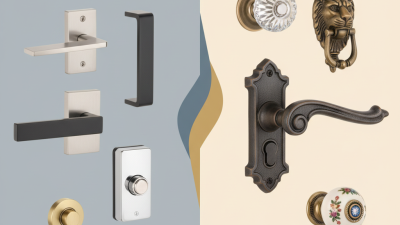
When selecting door hardware, consider the style of your home. Modern designs may require sleek, minimalistic handles. Traditional homes may benefit from ornate knobs. Pay attention to materials too. Solid brass or stainless steel can offer durability. On the other hand, poor quality hardware may lead to frequent replacements.
Reflect on your needs. Are you prioritizing security or accessibility? Sometimes, a decorative piece may draw attention while failing in function. Choosing the right door hardware can feel overwhelming. It’s essential to strike a balance between beauty and utility.
Understanding Door Hardware Types: Knobs, Levers, and Handles
When choosing door hardware, it’s vital to understand the types available.
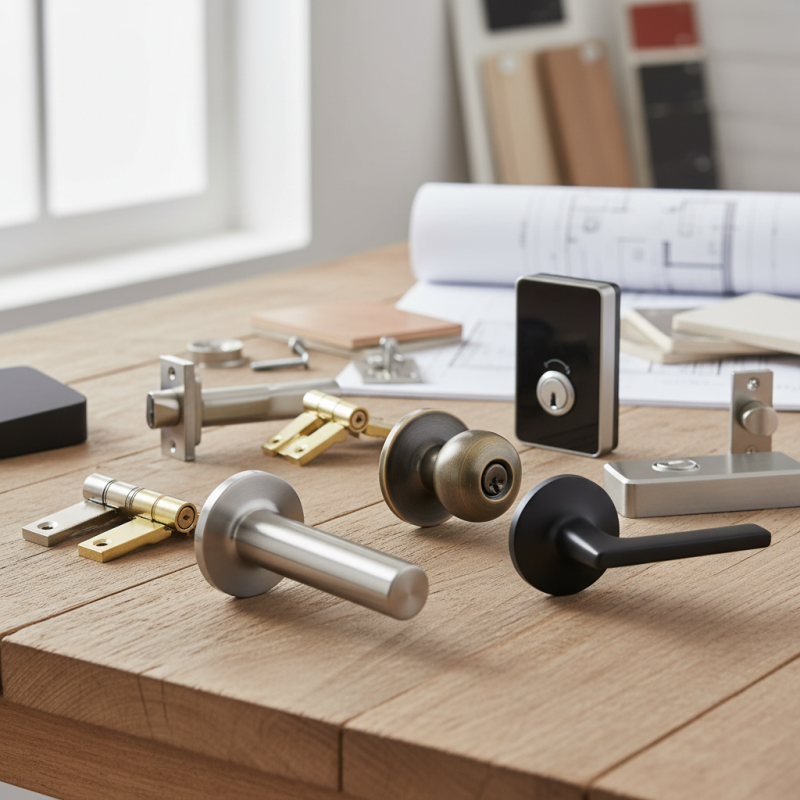
Door knobs, levers, and handles each come with unique features. A door knob usually offers a classic look and can be found in various finishes. They are compact but might be challenging for children or those with limited mobility. Sometimes, a knob feels awkward. It requires a firm grip, which isn't always comfortable.
Door levers, on the other hand, provide ease of use. They are often more accessible, especially for those with disabilities. Levers allow for pushing down, making it simple to open doors with hands full. However, they can sometimes feel less secure due to their design. A lever can move easily, which might lead to unwanted openings if not properly installed.
Handles offer a different aesthetic. They can create a more modern or stylish look. However, they can be bulkier and take up more space. It's essential to consider your home's theme when selecting. The right choice impacts both functionality and visual appeal. Each type has its pros and cons that deserve careful thought. Ultimately, the best choice depends on your needs and preferences.
Assessing Material Choices: Metal, Brass, and Stainless Steel Options
When choosing door hardware, the material can greatly influence both aesthetics and durability. Metal options are popular due to their strength. They resist wear and tear better than many alternatives. However, the finish is crucial. A matte finish may show scratches more easily than a polished one. This inconsistency can be an eyesore over time.
Brass is another option, known for its classic look. It develops a unique patina, which some homeowners adore. Yet, this change can lead to mixed feelings. Some people find the aged look charming, while others prefer shiny and new appearances. Regular maintenance is required to retain its luster. Neglecting care could result in tarnishing, detracting from its appeal.
Stainless steel is revered for its modern vibe and resistance to rust. It's a practical choice. Nonetheless, it can feel cold compared to brass or other materials. This might not fit every home’s style. It's important to visualize how each material complements your overall design. Balancing function with style may require some reflection on what truly matters to you in your space.
How to Choose the Right Door Hardware for Your Home? - Assessing Material Choices: Metal, Brass, and Stainless Steel Options
| Material |
Durability |
Maintenance |
Appearance |
Cost Range |
| Metal |
High |
Moderate |
Industrial feel |
$30 - $100 |
| Brass |
Moderate |
Low |
Classic look |
$40 - $150 |
| Stainless Steel |
Very High |
Low |
Modern and sleek |
$50 - $200 |
Evaluating Security Features: Deadbolts and Smart Lock Technology
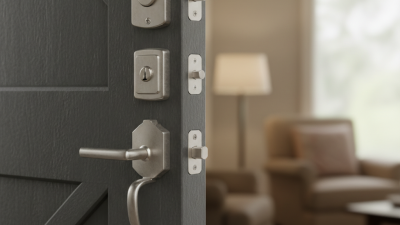
Choosing the right door hardware involves understanding security features. Deadbolts offer a solid layer of protection. They come in single and double-cylinder variations. A single-cylinder deadbolt is easy to use. However, it may not be as secure if you have windows nearby.
Smart locks represent the future of door security. They allow keyless entry using a smartphone or code. This can be convenient during emergencies. Yet, digital devices can fail. What happens if the battery dies? It's worth considering a backup entry method.
Remember the balance between security and convenience. Not every home requires high-tech solutions. Evaluate your personal needs carefully. Sometimes, a simple deadbolt can be more trustworthy. Weigh the options, and consult an expert if you're unsure. It's your home, after all.
Sizing and Compatibility: Standard Measurements for Doors and Frames
When selecting door hardware, understanding sizing and compatibility is key. Most doors are standard sizes, but not all are created equal. Standard interior doors are typically 80 inches tall and 24 to 36 inches wide. Make sure to measure the thickness of your door as well. A thickness of 1 3/8 inches is common, but some doors differ. This can affect hardware selection significantly.
Tips: Always have a tape measure on hand. It helps avoid mistakes. Review the specifications before purchasing hardware to ensure a perfect fit. Don’t skip this step; it saves time and frustration later.
Additionally, consider the door frame. The width and depth of the frame impact how fixtures like hinges or locks fit. A misalignment can lead to security issues. If you are unsure, asking for professional advice can be helpful.
Tips: Take photos of your door and frame when shopping. This visual reference can assist store staff in guiding your choices. Relying solely on memory might lead to errors. Assess different angles for compatibility and see where adjustments are needed.
Choosing the Right Door Hardware: Understanding Standard Measurements
This chart illustrates the standard measurements for door widths and heights as well as the corresponding frame dimensions. Understanding these measurements is crucial for selecting the right door hardware that ensures compatibility and proper function.
Cost Considerations: Average Pricing and Budgeting for Quality Hardware
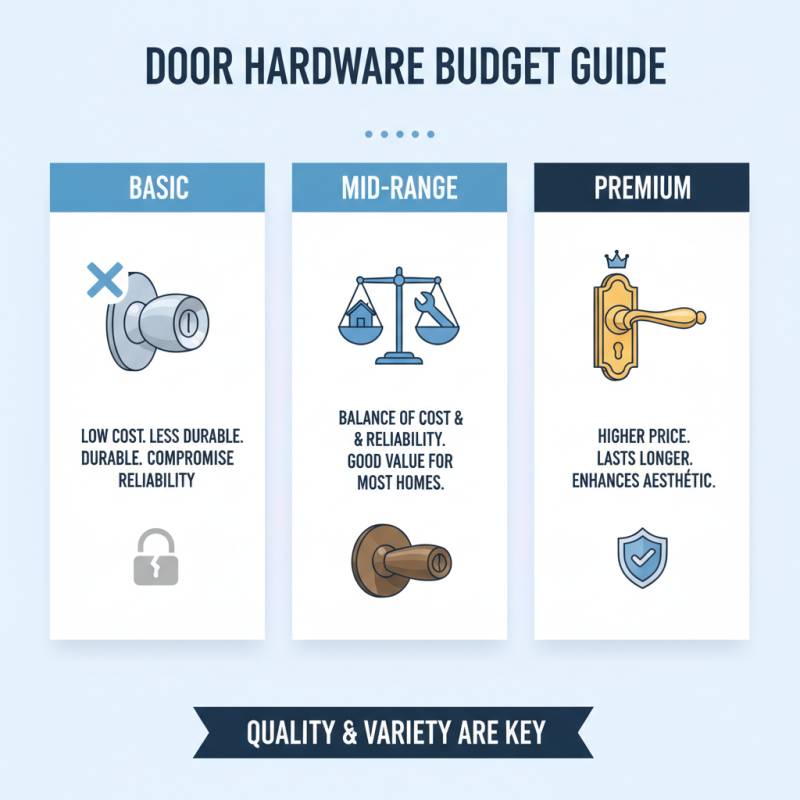
When budgeting for door hardware, it's crucial to consider quality and variety. Prices can vary widely. Basic options may start at a low price but often compromise on durability. Mid-range hardware balances cost with reliability, offering a good choice for most homes. Premium options can be quite expensive, but they last longer and enhance your home's aesthetic.
Think about what you need. Functionality is key, but style matters too. Some homeowners overspend on fancy finishes that don’t match the overall design. Others settle for low-cost options that wear out fast. Identify your priorities. Quality hardware might require more upfront investment but can save money over time. It's worth evaluating the long-term costs versus the initial price tag.
Pay attention to installation costs as well. Some hardware is easy to install, while others might need a professional. This adds to your budget. Explore different materials; for example, stainless steel may be pricier but is more durable than plastic. Reflect on these aspects carefully to find a balance between cost and quality that suits your home's needs.