How to Choose the Right Door Handles for Your Home?
Choosing the right door handles is more than a design choice. It shapes the feel of your home. Renowned interior designer Sarah Mitchell once stated, “Door handles can define a space, offering both function and style.” This rings true in every household.
Door handles come in various styles, materials, and finishes. Selecting the perfect handle might seem overwhelming. A mismatched door handle can disrupt your home’s aesthetic. Not every handle suits every door. The finish, shape, and size matter greatly. For instance, a sleek, modern handle may not work in a rustic home.
Take a moment to reflect on what you want your door handles to convey. Consider how they blend with your decor. It's easy to overlook the details, yet they make a difference. A poorly chosen handle can leave you feeling unsatisfied. Don’t rush the process; choose wisely.
Understanding the Different Types of Door Handles Available
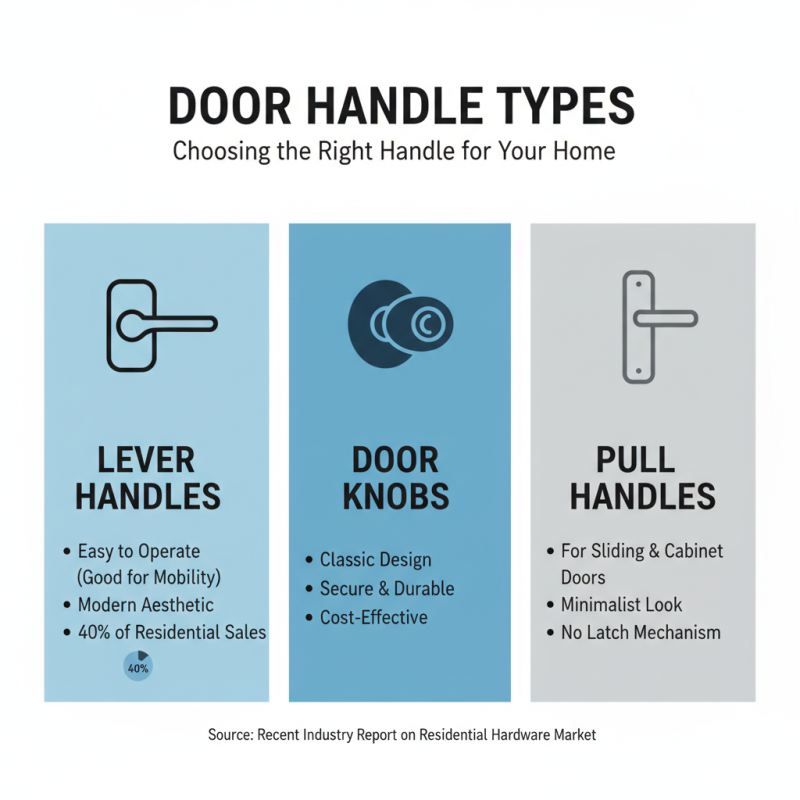
When choosing door handles, it's essential to know the different types available. Predominantly, door handles can be classified as lever handles, knobs, and pull handles. Each type has its unique features and aesthetic appeal. For instance, lever handles are often easier to operate, especially for individuals with mobility challenges. According to a recent industry report, lever handles account for approximately 40% of door handle sales in the residential market.
Knobs are another popular option. They can add a traditional touch to your home. However, they may be less user-friendly. A survey indicated that many homeowners find knobs less practical when their hands are full or when children are involved. Pull handles are commonly used for sliding doors and are gaining popularity. Their modern design can enhance the overall look of a space, making them appealing in contemporary homes.
When selecting the right handle, consider the intended use and the overall style of your home. Aesthetic choices are important, but functionality should not be overlooked. The wrong handle type can lead to frustration over time. For example, while a sleek pull handle may seem stylish, it can be difficult for young children or elderly family members to use. It's this balance between form and function that makes the selection process critical.
Factors to Consider When Choosing Door Handles for Your Home
Choosing the right door handles for your home can significantly impact its overall aesthetic. Factors like style, material, and durability are crucial. Consider the existing decor in your rooms. Modern homes may benefit from sleek, minimalist handles. In contrast, traditional homes often look better with ornate designs.
When selecting door handles, think about how often they'll be used. High-traffic areas require more durable options. For interior doors, you might prioritize style over strength. It’s also a good idea to experiment with different finishes. A brushed nickel handle can look elegant, while a matte black might suit a more industrial feel.
Tips: Always test the handle before purchase. Ensure it feels comfortable in your hand. Think about how it will align with your doors. Sometimes, choosing a handle that’s slightly too big can disrupt the balance. Reflect on your needs and preferences. Don’t overlook the importance of functionality. A beautiful handle that’s hard to grip might frustrate you daily.
Matching Door Handles with Your Home's Interior Design Style
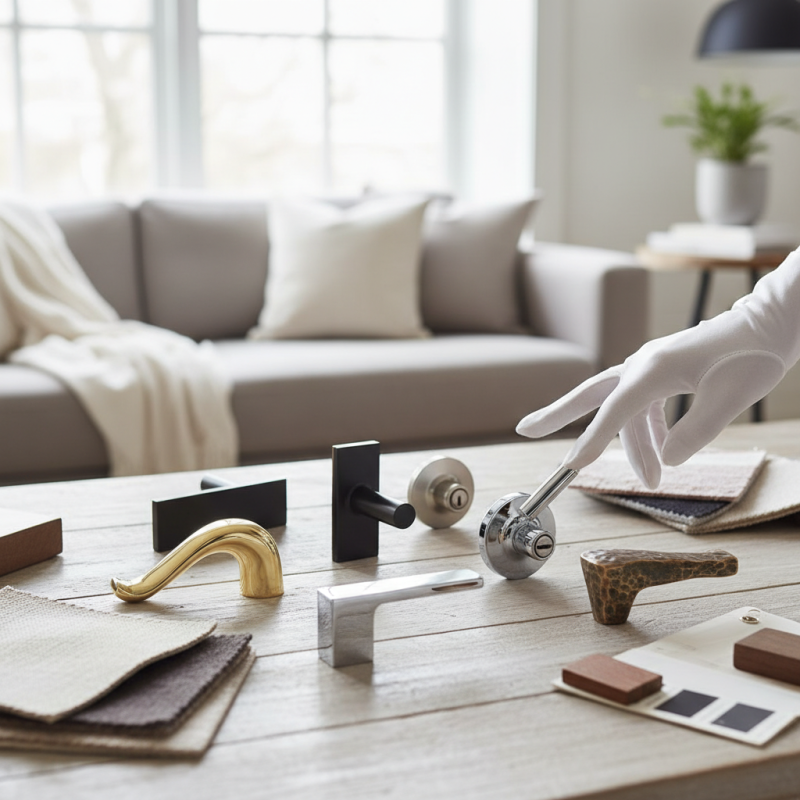
When choosing door handles, consider your home's interior style. A sleek modern home may benefit from minimalist handles. Clean lines and brushed finishes can elevate the overall aesthetic. In contrast, a rustic interior might require something warmer. Look for wooden or antique-style handles that create a welcoming vibe.
Color and material play significant roles, too. If your interior features a lot of warm tones, go for copper or brass. These materials add a touch of elegance. On the other hand, if your decor leans towards cool colors, consider stainless steel for a cohesive look. Balance is key, but don’t be afraid to experiment. Sometimes, the best choice isn’t the obvious one.
It’s important to reflect on function versus style. A handle that looks great might not be comfortable to use. Try different options and assess their usability. Additionally, think about how often doors are used. An intricate design may look appealing but could wear out faster. Ensure your choice not only fits your style but also stands the test of time.
Assessing Material and Durability of Door Handles
Choosing the right door handles can transform the look of your home. Among many factors, material and durability stand out. A report from the Hardware Manufacturers Association indicates that nearly 20% of complaints about handles stem from material wear and tear. Selecting a handle made of solid materials is essential. Options like stainless steel and brass offer both aesthetic appeal and resistance to corrosion.
However, not all finishes last forever. Some coatings may chip or fade over time. Homeowners need to consider the environment where handles will be installed. For instance, humid areas may require materials like zinc alloy, known for its robustness. Yet, even zinc can suffer from environmental stress if not chosen wisely.
Maintenance also plays a role in longevity. Regular cleaning can prevent build-up that wears down finishes. A study by the American Institute of Architects suggests that handles with textured grips retain their appeal longer. But, they also collect more dust in crevices. Finding the right balance can be tricky. Ultimately, every choice has its trade-offs, and thoughtful consideration can lead to better decisions.
Installation and Maintenance Tips for Door Handles
Choosing the right door handles involves careful installation and maintenance to ensure durability and functionality. Poorly installed handles can lead to misalignment, which affects their performance. According to industry research, about 30% of door hardware issues stem from improper installation. This statistic highlights the importance of following installation guidelines closely.
Make sure to use the right tools. A drill, screwdriver, and level are essential. Additionally, check the door thickness before purchasing handles. This decision can prevent future frustrations. After installation, regularly inspect the handles for wear. Tighten screws that may come loose over time. In fact, about 40% of home maintenance issues are related to minor repairs often neglected.
Cleaning is another crucial aspect. Use a gentle cleaner for metal finishes to avoid corrosion. Another study found that neglecting maintenance can reduce the lifespan of door handles by up to 50%. Establishing a routine check can save you from costly replacements later. While handles may seem minor, their upkeep plays a key role in the overall function of your home.