Why Choose the Right Shop Door for Your Business Needs?
Choosing the right shop door can significantly impact your business's success. According to John Thompson, a renowned expert in commercial door solutions, "A shop door is not just an entrance; it's the first impression." This highlights the importance of selecting a door that aligns with your brand image.
A well-designed shop door offers security and functionality. It welcomes customers and protects your merchandise. Imagine entering a store where the door feels inviting yet sturdy. This balance is crucial. You may find that a flimsy door can deter customers. Conversely, a heavy, imposing door might feel unwelcoming.
Consider the materials, style, and features of your shop door. Glass doors provide visibility, while solid wood offers durability. Each option serves a unique purpose. Reflect on your business needs and customer experiences. The right choice can enhance your shop’s appeal and operational efficiency. Your shop door is more than just an entrance; it’s a vital element of your business identity.

Understanding the Importance of Shop Doors in Commercial Spaces
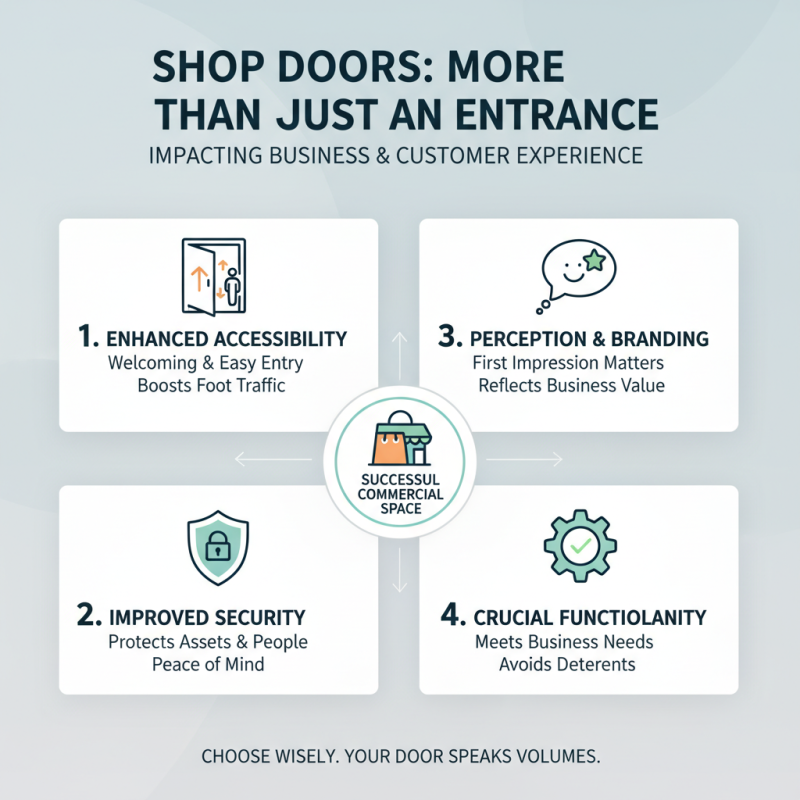
The right shop door can significantly impact how customers perceive your business. A well-chosen door enhances accessibility and improves security. An inviting entrance encourages foot traffic. On the other hand, a door that doesn’t meet your needs can deter potential customers. Sometimes, businesses overlook the importance of functionality.
Consider the material and design of your shop door. Glass doors offer visibility but can be fragile. Solid doors provide security but might seem unwelcoming. Reflecting on your specific needs is essential. Weather conditions also play a role. A door that withstands local climate can save future repair costs.
In commercial spaces, shop doors are more than just entrances. They shape customer experiences and influence their decisions. A door that doesn't fit the vibe of your store might confuse visitors. It’s vital to evaluate your choices carefully, or you might miss an opportunity for first impressions.
Factors to Consider When Choosing Shop Doors for Your Business
Choosing the right shop door is crucial for any business. It impacts security, accessibility, and even aesthetics. When selecting a door, consider material and durability. Metal doors are strong but can look cold. Wooden doors offer warmth yet require maintenance. What fits your brand image?
Accessibility is another key factor. Automatic doors improve foot traffic flow. They help customers enter easily, especially during busy hours. Manual doors can feel inconvenient. Think about your clientele. Will they appreciate ease of access? Customer feedback could guide your choice.
Don’t forget security features. A visually appealing door is great, but it must protect your business. Composite and reinforced doors provide extra safety. Check the locking mechanisms as well. Many doors look similar, but their quality varies. Take time to research before making a decision. Sometimes, the perfect choice might not be so obvious.
Why Choose the Right Shop Door for Your Business Needs?
| Factor |
Description |
Importance Level |
| Material |
The type of material influences durability, maintenance, and insulation properties. |
High |
| Security |
The door should offer adequate security features like locks and impact resistance. |
High |
| Insulation |
Consider doors that provide good thermal insulation for energy efficiency. |
Medium |
| Aesthetic Appeal |
A visually appealing door can enhance your business’s first impression. |
Medium |
| Cost |
The budget is crucial; consider both initial cost and long-term maintenance. |
High |
| Accessibility |
Doors should accommodate all customers and comply with accessibility standards. |
High |
Comparing Different Types of Shop Doors: Pros and Cons
When choosing a shop door, several types offer unique advantages and drawbacks.
Wooden doors provide a classic look and can be customized easily.
However, they require regular maintenance to prevent rotting.
Metal doors, on the other hand, offer durability and security.
They can withstand harsh weather but may not provide the aesthetic appeal some businesses desire.
Glass doors create an inviting atmosphere and allow natural light in, yet they might sacrifice privacy and can be fragile.
Tips: Consider your security needs. A sturdy door may deter potential theft.
Also, think about energy efficiency.
Well-insulated doors can reduce heating and cooling costs. Pay attention to the entry experience for customers, as first impressions matter.
Another option is roll-up doors, which save space and are ideal for garages or warehouses.
Yet, they often lack insulation.
Bi-fold doors can enhance access and visibility.
Still, they may be more costly and require more space to operate.
Be honest about your business's needs.
Not every door suits every situation, and sometimes compromises must be made.
How Shop Doors Impact Security and Customer Experience
Choosing the right shop door is crucial for businesses. It plays a significant role in security and can influence customer experiences. A well-designed door can draw customers in, while a poorly chosen one could deter them.
Security is a primary concern. The right door can resist forced entry. It may feature reinforced materials or locking mechanisms. However, some business owners overlook this aspect. They prioritize aesthetics over security, which can lead to vulnerabilities. A glass door might look inviting but could also pose risks. Customers feel safer in environments where they perceive strong security measures.
Customer experience is affected by door functionality. A smooth, automatic door can create a welcoming atmosphere. On the other hand, a heavy door that is difficult to open can frustrate customers. Additionally, noise from slamming doors can deter potential clients. Reflecting on these factors is vital. A balance between style, security, and functionality should guide your decision. If a door fails to meet these needs, the business might suffer.
Maintenance and Longevity: Choosing Durable Shop Doors
When selecting shop doors, durability should be a top priority. A well-chosen door can withstand daily wear and tear. It must resist impact, weather, and time. Metal or high-quality fiberglass are often good options. They provide security while maintaining aesthetic appeal. However, it’s essential to factor in installation and ongoing maintenance.
Many business owners overlook maintenance needs. A durable door may still require regular check-ups. Hinges, seals, and locks can wear out over time. Ignoring these issues can lead to costly repairs. Creating a maintenance schedule helps keep the door functional. Small problems fixed early can prevent bigger headaches later. It’s wise to ask, “How often will I need to service this door?”
Moreover, consider the environment where the door will be used. A door that thrives in a dry climate may struggle in humid conditions. Rain, snow, or sunlight can take their toll. Taking the time to analyze the specific needs of your business can lead to a better choice. Reflecting on past experiences can guide the decision-making process.
Durability Comparison of Different Shop Door Materials
This bar chart displays the durability ratings of various shop door materials on a scale from 1 to 10. Choosing the right material can impact the maintenance and longevity of your shop doors.