2026 How to Choose the Best House Doors for Your Home
When it comes to choosing house doors, the options can be overwhelming. Expert Tim Johnson, a renowned architect, emphasizes, "Your front door speaks volumes about your home." The right door not only enhances curb appeal but also ensures security and insulation.
Many homeowners focus solely on aesthetics. This can lead to overlooking practical features. For example, consider durability and energy efficiency. A beautiful door may lack the strength needed to withstand harsh weather.
Additionally, the materials used in house doors vary widely. Wood, fiberglass, and steel each have unique attributes. Some may require frequent maintenance, while others promise longevity with minimal upkeep. Choosing poorly can lead to regret down the line. A well-chosen door should reflect both your style and functional needs, prompting deeper reflection on your priorities.
Understanding Different Types of House Doors and Their Features
When choosing house doors, understanding different types is essential. Exterior doors come in various materials. Wooden doors are classic and beautiful but require maintenance. Steel doors offer durability and security. They can withstand harsh weather but may lack aesthetic appeal. Fiberglass doors resist dents and can mimic wood beautifully.
Internal doors vary as well. Hollow-core doors are lightweight and cost-effective, but they lack insulation. Solid-core doors are sturdier and provide better sound insulation. Depending on your needs, these features influence functionality and aesthetics.
**Tip:** Evaluate the climate of your region. A door that works well in one area might not suit another.
The door's energy efficiency is a crucial factor. Reports indicate that a well-insulated door can reduce energy costs by nearly 10%. Energy Star certified options are a smart choice for efficiency. This can lead to long-term savings and comfort.
**Tip:** Consider your home’s architectural style. The wrong door can disrupt your overall design. Prioritize harmony in your choice.
2026 How to Choose the Best House Doors for Your Home - Understanding Different Types of House Doors and Their Features
| Door Type |
Material |
Energy Efficiency |
Security Features |
Maintenance |
| Fiberglass Door |
Fiberglass |
High |
Multi-point locking system |
Low |
| Steel Door |
Steel |
Medium |
Reinforced edges |
Medium |
| Wooden Door |
Wood |
Low |
Standard locks |
High |
| Vinyl Door |
Vinyl |
High |
Non-corrosive hardware |
Low |
| Aluminum Door |
Aluminum |
Medium |
Secure frame |
Medium |
Evaluating Door Materials for Durability and Aesthetic Appeal
Choosing the right materials for house doors plays a crucial role in both durability and aesthetics. According to the National Association of Home Builders, entry doors account for about 10% of the total home exterior surface area. This makes their material choice significant for overall curb appeal. Steel and fiberglass doors are known for their strength. They can withstand harsh weather conditions better than wood doors. However, wood doors offer a unique charm and warmth, which many homeowners love.
A recent study by the Door and Hardware Institute found that nearly 70% of homeowners prioritize aesthetics when selecting doors. The finish, color, and design can either enhance or detract from your home’s appearance. Many modern designs focus on clean lines and simplicity. Yet, it’s essential to choose a style that reflects your personality. Conversely, opting for the trendiest look may not suit long-term needs.
Sustainability is another factor influencing material selection. The manufacturing process of certain materials can have a significant environmental impact. A report from the Environmental Protection Agency states that the durability of a door directly affects its lifespan and ecological footprint. While wood might seem appealing, it often requires more maintenance over time. Reflecting on your needs is vital when making this decision. Would a stylish, low-maintenance door serve you better in the long run?
Durability and Aesthetic Appeal of Different Door Materials
Assessing Security Features When Choosing House Doors
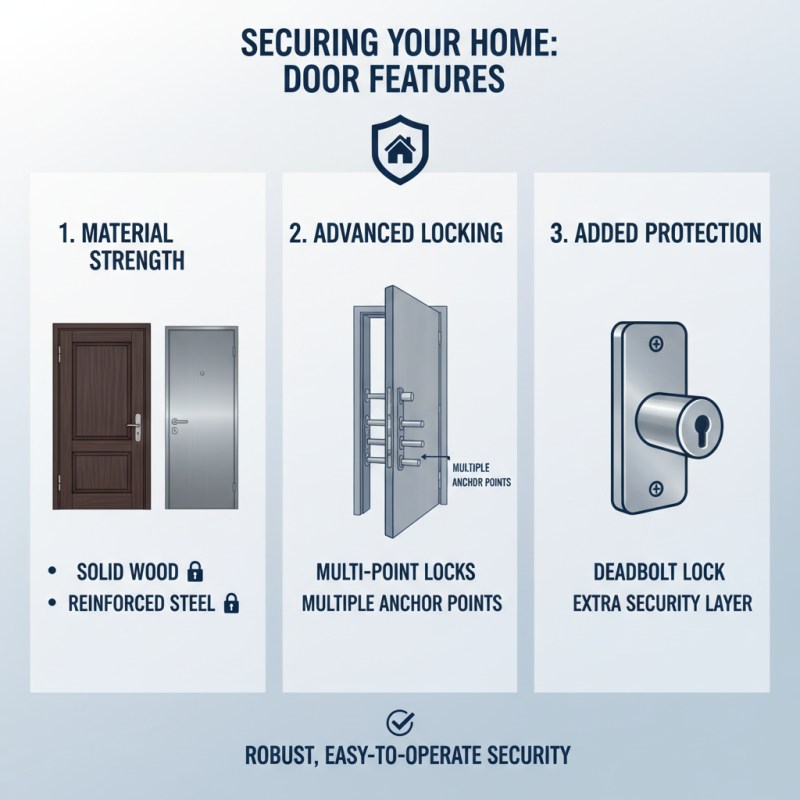
When selecting the perfect house doors, security features should be at the forefront. Strong materials like steel or solid wood offer durability and resistance against forced entry. Look for doors that have a multi-point locking system. This feature secures the door at several points, making it harder to pry open. Consider adding a deadbolt lock for greater protection. Assess which locks are easy to operate yet provide robust security.
Don't overlook the importance of door frames. Reinforced frames can deter break-ins. Check whether the hinges are tamper-proof, as these can be weak points. Glass panels might look stylish, but they can compromise security. If you choose a door with glass, opt for laminated or tempered glass. This type is harder to break.
Installing a security doorbell or camera can enhance your safety measures. It provides real-time monitoring of your entrance. However, think about the placement of these devices. Poor positioning can leave blind spots. Regular maintenance of all security features is crucial as well. Faulty locks or worn hinges can create vulnerabilities that invite trouble. Balancing aesthetics and security takes time and careful consideration.
Considering Energy Efficiency and Insulation Properties
When selecting house doors, energy efficiency is key. According to the U.S. Department of Energy, doors can account for up to 10% of energy loss in a home. Choosing insulated doors can reduce this loss significantly. A door with good insulation properties can help regulate indoor temperatures and lower energy bills. If you live in a region with extreme weather conditions, this becomes even more critical.
Many homes still use outdated or poorly insulated doors. This decision can lead to higher heating and cooling costs. For example, replacing a single-pane door with a well-insulated model can lead to energy savings of roughly 20%. Research shows that homeowners may overlook the importance of R-value, a measure of thermal resistance. A door with a high R-value will better protect against temperature fluctuations.
Consider material choices carefully. Fiberglass and steel doors often offer superior insulation compared to solid wood doors. However, aesthetics and style should not be sacrificed. Homeowners frequently face the dilemma of balancing appearance with energy efficiency. It’s essential to keep in mind the long-term savings against initial investment. Each door choice impacts future comfort and energy costs. This balance requires careful thought and planning.
Tips for Door Style and Design to Match Your Home's Architecture
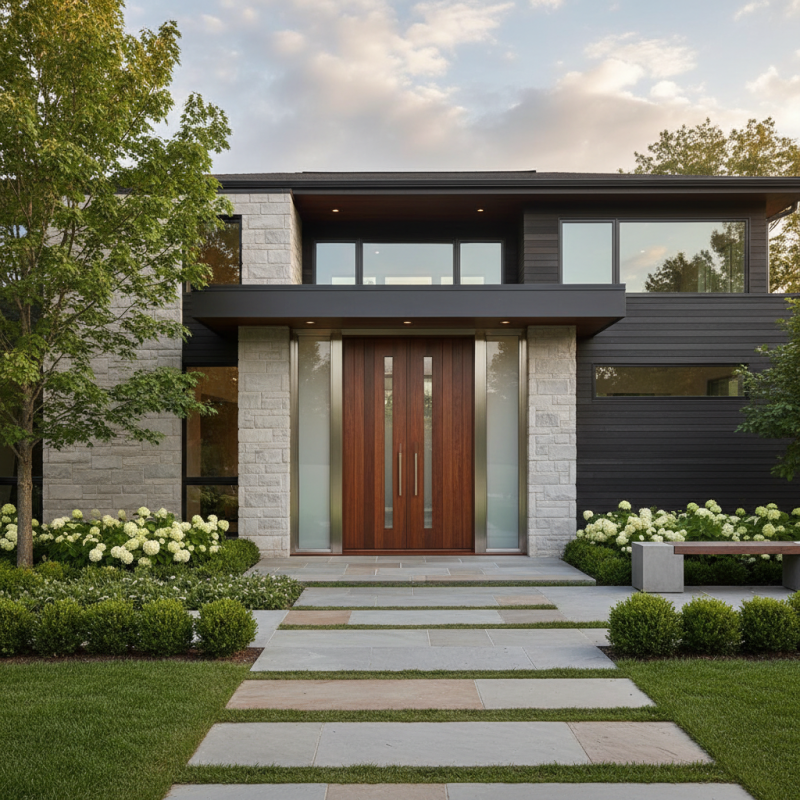
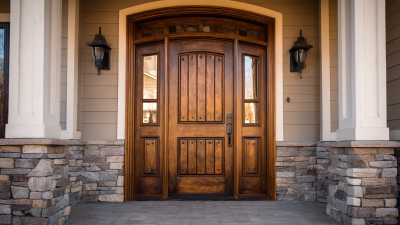
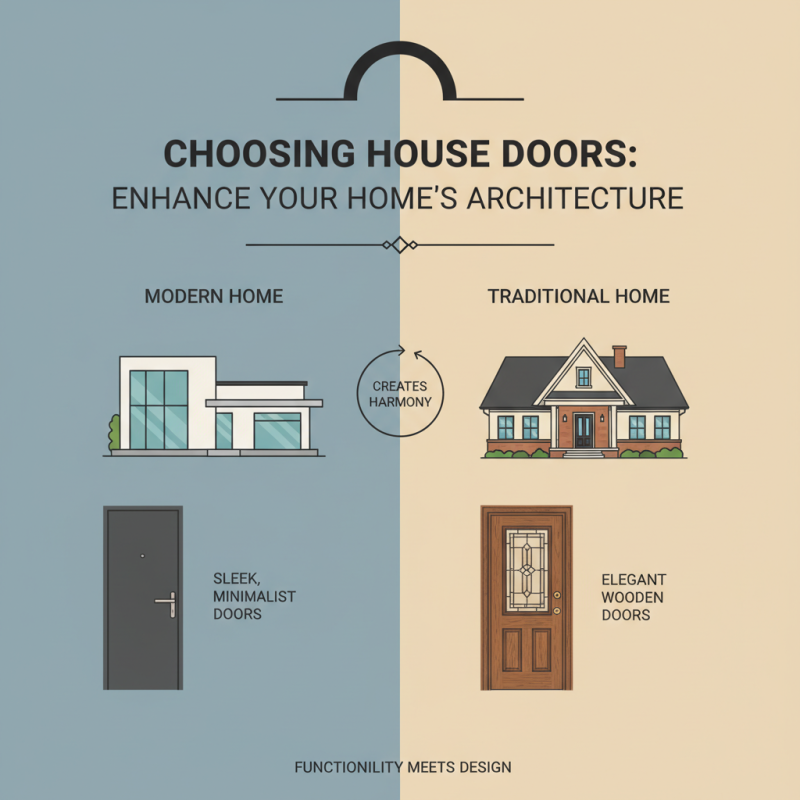
Choosing house doors is not just about functionality; it's about enhancing your home's architecture. When selecting door styles, consider the overall design of your home. A modern home benefits from sleek, minimalist doors. Elegant wooden doors suit traditional houses perfectly. This creates harmony between the door and the rest of the structure.
Think about colors and materials too. A bright red door can add a pop of color to an otherwise neutral facade. However, it’s important that it doesn’t clash with your windows or roof. Sometimes, less is more. Overly decorative doors may distract from your home's beauty. Also, oversized doors can overwhelm a small entrance. Balance is key.
Reflection is also crucial here. Look at your door choices critically. Will they age well? Do they complement the architectural features? It’s easy to get swept away by trends. However, timeless designs often bring more satisfaction. Aim for doors that not only fit your style but also tell a story. Each choice should resonate with the character of your home, making each entrance memorable.