What is the Best Type of Commercial Doors for Your Business?
Choosing the right commercial doors for your business is crucial. The doors you select can affect security, energy efficiency, and aesthetics. Commercial doors come in various materials and styles. They serve different purposes based on the needs of your business.
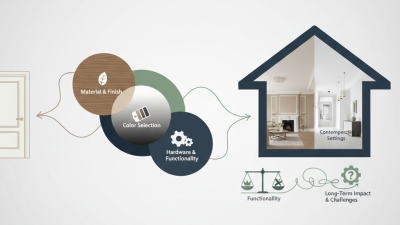
When considering commercial doors, think about durability and design. Steel doors offer excellent security and low maintenance. However, aluminum or glass doors might enhance visibility and branding. Each option has pros and cons to evaluate. The choices can become overwhelming, reflecting the importance of making informed decisions.
Moreover, it’s essential to align door selection with your business’s operations. For instance, a restaurant may need doors that withstand heavy traffic, while an office might focus on elegance. Take the time to reflect on your specific needs. Ultimately, the best commercial doors are those that fit your unique business requirements.
Types of Commercial Doors and Their Uses in Different Industries
When choosing commercial doors, it's vital to understand their specific applications across various industries. According to a report by the International Door Association, security doors are essential for retail spaces, providing not only access control but also protection against theft. Retailers experience a 9% increase in safety perceptions when high-quality doors are installed.
Manufacturing facilities require robust doors that can withstand heavy traffic. High-speed roll-up doors are ideal in these settings, allowing for quick access while maintaining energy efficiency. The American Society of Heating, Refrigerating and Air-Conditioning Engineers states that energy-efficient doors can reduce energy costs by up to 30%.
In healthcare, the choice of doors impacts hygiene and patient safety. Automatic sliding doors minimize contact, reducing the risk of germ transmission. A study published in the Journal of Healthcare Engineering found that facilities with automatic doors reported a 15% decrease in infection rates.
These examples highlight the importance of selecting the right door type for specific business needs. Each industry has unique requirements that can affect functionality and safety. Careful consideration of these factors is crucial for maximizing efficiency and security.
Factors to Consider When Choosing Commercial Doors for Your Business
When selecting commercial doors for your business, several factors come into play. Security is crucial. Consider the level of protection you need. If your business handles valuable items, opt for reinforced doors. On the other hand, if foot traffic is your focus, aesthetic appeal should also be a priority.
Durability matters. The material of the door affects its lifespan. Wooden doors can offer style but may require more maintenance. Steel doors are robust and provide superior security but can be less visually appealing. Always weigh the pros and cons of each option carefully.
**Tips:**
Think about energy efficiency too. Proper insulation can lower energy costs. Review local climate conditions; they will influence your choice. Regularly assess the door's condition to prevent unexpected issues. Consider consulting a professional for installation or repairs. Quality workmanship ensures longevity and reliability.
What is the Best Type of Commercial Doors for Your Business? - Factors to Consider When Choosing Commercial Doors for Your Business
| Door Type |
Material |
Security Level |
Insulation |
Cost (Approx.) |
| Steel Doors |
Steel |
High |
Good |
$800 - $2,500 |
| Wood Doors |
Wood |
Medium |
Fair |
$400 - $1,500 |
| Glass Doors |
Glass and Aluminum |
Low to Medium |
Poor |
$1,000 - $3,000 |
| Fiberglass Doors |
Fiberglass |
Medium |
Good |
$600 - $1,800 |
| Roll-Up Doors |
Steel |
High |
Moderate |
$1,500 - $5,000 |
Material Options for Commercial Doors: Pros and Cons Explained
When choosing a commercial door, material is a crucial factor. There are various options, each with its own pros and cons. Steel doors are popular. They provide high security and durability. According to industry reports, steel doors can last over 30 years with minimal maintenance. However, they can be expensive and heavy, requiring professional installation.
Fiberglass doors offer a lighter alternative. They resist dents and corrosion, making them ideal for harsh environments. These doors can be painted and customized easily. However, they may not offer the same security level as steel. Reports suggest they last about 20 years, which is decent but not as long as steel.
Wood doors provide aesthetic appeal and insulation. They can transform a business's entrance into a warm and inviting space. However, wood demands more maintenance. Regular painting or staining is necessary to prevent weather damage. Typically, wooden doors have a lifespan of up to 15 years, depending on care.
Tips: Consider climate and location. Your door should withstand weather conditions. Evaluate the level of security needed. High-footfall areas may require tougher materials. Remember, investing in good quality doors pays off in the long run.
Energy Efficiency and Security Features in Commercial Doors
When selecting commercial doors, energy efficiency and security features are paramount. According to the Department of Energy, commercial buildings account for 18% of greenhouse gas emissions in the United States. Proper insulation and energy-efficient materials can reduce energy usage by up to 30%. This not only cuts costs but also promotes a greener environment.
Security features are equally vital. A significant 67% of businesses report experiencing security breaches related to unauthorized access. High-quality commercial doors equipped with advanced locking systems and materials can deter such threats. Steel doors, for instance, provide enhanced security compared to traditional wood doors.
The best commercial doors should balance these features. However, finding this balance often requires careful consideration of the specific business needs and the potential trade-offs. Energy-efficient doors may involve higher initial costs but lead to long-term savings. Understanding the implications of these choices is key to a successful investment.
Maintenance Tips for Maximizing the Lifespan of Commercial Doors
Maintaining commercial doors is crucial for any business. Regular upkeep helps ensure safety and efficiency. Inspect the door’s hardware regularly. Look for any loose hinges or malfunctioning locks. Address these issues promptly to prevent larger problems later. Routine checks can also uncover wear and tear that might affect functionality.
Cleaning is another essential part of maintenance. Dirt and debris can hinder operation and lead to damage over time. Use a gentle cleanser to wipe down the doors, focusing on hinges, frames, and glass. Ensure that the sealing mechanisms are in good shape. This prevents drafts and moisture issues, extending the door’s life.
Consider the environment where the doors are located. Outdoor doors face different challenges, like exposure to the elements. Rust and corrosion can develop without proper care. Implement a periodic treatment to combat these issues. Make it a habit to evaluate the door’s condition frequently. This proactive approach may save costs in the long run, enhancing durability.