Choosing the best door handles for global buyers requires more than comparing finishes and prices. Performance depends on climate, traffic, security expectations, installation methods, and local standards. A coastal hotel may need corrosion-resistant stainless steel, while a busy office needs tested cycle durability and easy maintenance.
Market research supports this broader view. Grand View Research’s 2024 door hardware market analysis identifies renovation, commercial construction, and rising security requirements as important demand drivers. Mordor Intelligence also highlights smart access systems and hospitality development as major influences on hardware purchasing. These reports examine wider door hardware categories, not only door handles, so their figures should be interpreted carefully. No single market estimate tells the complete story.
For buyers, product evidence matters more than attractive catalog images. Look for material specifications, salt-spray results, cycle-test data, warranty terms, and documented quality controls. ANSI/BHMA standards are widely referenced in North America, while EN 1906 is common across European markets. ISO 9001 certification may support process reliability, but it does not automatically prove handle performance. That distinction is easy to miss.
Small details reveal real quality. A lever should return smoothly, without scraping the rose. Screws should remain secure after repeated use. Finishes should resist fingerprints and cleaning chemicals. Packaging should protect every spindle and mounting plate during long-distance shipping.
The “best” option is rarely the cheapest. It is the handle that matches the building, market, and maintenance reality. Even experienced buyers can overlook local fitting preferences. Careful sampling remains essential.
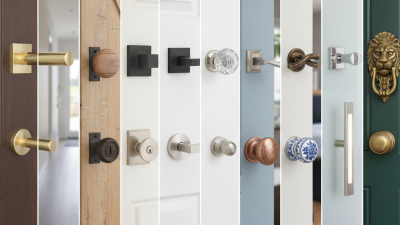
China door handles are available in several practical types for global buyers. Lever handles suit homes, offices, and accessible entrances because they need less grip strength. Round knobs remain common in bedrooms and traditional interiors. Pull handles work well on glass, timber, and heavy commercial doors. They create a clear, modern line.
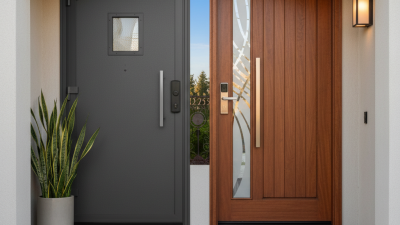
For higher security, buyers can choose mortise lock handles or cylindrical lock sets. Sliding-door handles often use recessed pulls, while fire-rated projects may require tested handle assemblies. Electronic handles are also available, including keypad, card, and fingerprint models. However, electronic products need careful checking of battery life, emergency access, and software support. Small details matter.
Material choices usually include stainless steel, zinc alloy, aluminum, and brass. Stainless steel handles resist moisture, while brass offers a warmer appearance. Finish samples should be checked under natural light. A black coating may look excellent but wear faster in busy entrances. One common sourcing mistake is judging quality by weight alone. A heavy handle can still have weak springs or poor mounting screws. Ask for dimensional drawings, door-thickness ranges, cycle-test results, corrosion reports, and installation samples. Confirm the backset, spindle size, fixing method, and packaging before bulk production. Samples cost time, but replacements cost more. Supplier claims should be matched with records, not attractive photographs.
Choosing the best China door handles for global buyers starts with material selection. Stainless steel offers strong corrosion resistance for humid entrances and coastal buildings. Zinc alloy allows detailed shapes and competitive pricing. Solid brass feels heavier and develops a changing surface over time. Aluminum is lighter, but it may feel less substantial in large commercial doors.
Finish affects both appearance and service life. PVD finishes can provide consistent color and improved wear resistance when properly applied. Matte black hides fingerprints, yet scratches may appear more clearly at sharp edges. Satin nickel suits many interiors and usually looks less demanding during maintenance. Polished chrome reflects light strongly, but water spots become visible quickly. Finish samples can deceive. Always inspect production pieces, not only showroom samples.
Design should match the door, not simply follow a trend. A slim lever works well with modern offices, while a rounded grip feels warmer in residential spaces. Check the backplate size, spindle length, fixing method, and door thickness before ordering. I once saw a beautiful handle fail because its return spring was too weak for repeated use. Small details matter. Ask for salt-spray data, cycle-testing records, dimensional drawings, and packaging photos. Color consistency also deserves attention across different production batches. Even reliable suppliers can miss a shade difference without a clear approval sample. Testing several installed handles is slower, but it reveals looseness, noise, and uncomfortable edges.
| Handle Category | Common Material | Typical Finishes | Best Applications | Durability & Corrosion Profile | Design Options | Maintenance Requirements | Global Buyer Considerations |
|---|---|---|---|---|---|---|---|
| Stainless Steel Lever Handle | 304 stainless steel; 316 stainless steel for highly corrosive environments | Satin, brushed, polished, PVD-coated | Residential entrances, offices, hotels, commercial interiors | High Good resistance to moisture and everyday wear. Grade 316 offers better resistance to chlorides than grade 304. |
Square or rounded roses, straight or curved levers, concealed or exposed fixings | Wipe with a soft cloth and mild detergent. Avoid chlorine-based cleaners and abrasive pads. | Confirm the stainless-steel grade, wall thickness, spindle size, and compatibility with local lock cases. |
| Solid Brass Lever Handle | Machined or cast solid brass | Polished brass, antique brass, satin brass, chrome, nickel, PVD finishes | Traditional homes, premium residential projects, hospitality interiors | High Dense material with good mechanical strength; surface appearance changes over time on unlacquered finishes. |
Classic, heritage, contemporary, round or square backplates, decorative detailing | Use a non-abrasive cloth. Unlacquered brass may require periodic polishing or can be left to develop a natural patina. | Ask whether the product is solid brass or brass-plated zinc alloy; these are not equivalent in weight or service life. |
| Zinc Alloy Handle | Zinc alloy, commonly used for die-cast components | Matt black, chrome, satin nickel, antique bronze, brushed finishes | Cost-sensitive residential and light commercial projects | Medium Suitable for normal indoor use; prolonged outdoor exposure may reduce finish life unless adequately protected. |
Wide range of shapes, profiles, textures, and decorative forms | Clean with a damp cloth and mild soap. Do not use strong solvents or metal polish unless approved for the finish. | Compare base-metal thickness, spring mechanism, plating process, and cycle-test results rather than judging by appearance alone. |
| Aluminum Handle | Extruded or die-cast aluminum | Anodized silver, black anodized, powder-coated, painted | Interior doors, lightweight doors, modern office and apartment projects | Medium to High Lightweight and naturally corrosion-resistant; anodized surfaces generally provide better wear protection than basic paint. |
Minimalist straight levers, slimline profiles, pull handles, coordinated exit hardware | Remove dust and salts with clean water and a soft cloth. Avoid alkaline and abrasive cleaners. | Check alloy type, anodizing thickness or coating specification, and the maximum recommended door weight. |
| Glass or Crystal Knob | Tempered glass or decorative crystal with a metal mounting base | Clear, frosted, smoked, colored, chrome, brass, or black metal fittings | Interior bedrooms, dressing rooms, boutique hotels, decorative furniture-style doors | Medium Good visual appeal; the glass element requires protection from impact and incorrect tightening. |
Faceted, round, fluted, transparent, colored, vintage, or contemporary forms | Clean glass with a soft lint-free cloth. Check mounting screws periodically without overtightening. | Verify that the glass is tempered where required and that the fixing system is suitable for the door thickness. |
| Porcelain or Ceramic Knob | Fired porcelain or ceramic with a brass, steel, or zinc alloy fitting | White, hand-painted, patterned, glossy, matt, antique metal combinations | Classic residences, kitchen doors, cottages, heritage-style interiors | Medium Hard decorative surface but potentially vulnerable to impact at edges and mounting points. |
Floral patterns, geometric prints, plain colors, round knobs, backplate combinations | Use mild detergent and avoid impact from tools or hard objects. | Request color-control samples for repeat orders because decorative patterns and glaze tones may vary between production batches. |
| Solid Wood Handle | Hardwood or engineered wood with a protective coating and metal fittings | Natural oil, clear lacquer, stained wood, painted wood, mixed-metal finishes | Interior residential doors, hospitality projects, biophilic and Scandinavian-style spaces | Medium Performance depends on wood species, moisture control, joint construction, and coating quality. |
Oval, cylindrical, carved, fluted, smooth, natural-grain, and mixed-material designs | Keep dry and clean with a soft cloth. Re-oiling or refinishing may be required for certain natural finishes. | Confirm moisture content, coating system, wood source, color consistency, and the method used to secure the fittings. |
| Matte Black Handle | Stainless steel, brass, aluminum, or zinc alloy with a black coating or PVD finish | Matt black, textured black, satin black, black PVD | Modern homes, offices, retail spaces, industrial and minimalist interiors | Medium to High Performance is determined mainly by the substrate and coating process; PVD generally offers strong surface adhesion and wear resistance. |
Lever, knob, pull handle, concealed rose, square rose, rounded profile | Use a soft cloth and mild, pH-neutral cleaner. Avoid abrasive products that can create visible marks. | Ask for coating test data, salt-spray results where relevant, and a physical sample to check color and texture. |
| PVD-Coated Handle | Usually stainless steel or brass with a physical vapor deposition surface layer | Gold, champagne, black, graphite, bronze, satin, and polished effects | Premium residential, hotel, office, and high-traffic interior projects | High PVD coatings are generally more resistant to abrasion and discoloration than many conventional decorative plating systems. |
Contemporary levers, pull handles, concealed fixing systems, coordinated bathroom hardware | Clean with a soft cloth and mild detergent. Do not use bleach, scouring powder, or aggressive solvents. | Confirm base material, coating process, color tolerance, warranty terms, and whether the finish is recommended for exterior use. |
| Antique or Aged Finish Handle | Brass, bronze-effect alloy, stainless steel, or zinc alloy with a treated surface | Antique brass, aged bronze, oil-rubbed bronze, distressed nickel | Heritage buildings, traditional residences, restaurants, and boutique hospitality projects | Medium to High Many aged finishes are intentionally varied; wear may reveal highlights and create additional patina. |
Beaded edges, backplates, scroll details, traditional levers, rustic knobs | Dust regularly and clean gently. Avoid polishing products that may remove the intended aged effect. | Approve a production sample because hand-applied or multi-stage aged finishes can show normal batch-to-batch variation. |
| Sliding Door Pull Handle | Stainless steel, aluminum, brass, or solid wood with metal supports | Brushed steel, polished chrome, matt black, brass, bronze, anodized aluminum | Glass doors, barn doors, pocket doors, wardrobes, offices, and retail interiors | High Well suited to repeated pulling when the tube diameter, wall thickness, and fixing method are correctly specified. |
Round or square tube, flush pull, back-to-back pull, offset pull, long vertical or horizontal format | Wipe regularly, especially in coastal or high-touch environments. Inspect fixing points during routine maintenance. | Specify center-to-center dimensions, projection, tube diameter, fixing type, door thickness, and load requirements. |
| Accessibility Lever Handle | Stainless steel, brass, aluminum, or coated zinc alloy | Satin stainless steel, polished chrome, matt black, satin nickel, PVD finishes | Public buildings, healthcare facilities, offices, schools, and accessible residential projects | High Lever geometry is generally easier to operate than a round knob, but suitability depends on the complete lockset and local regulations. |
Return-to-door lever, extended lever, high-contrast finish, ergonomic curved profile | Clean according to the base material and coating. Check return action, fixings, and visible damage during inspections. | Review applicable accessibility and fire-door requirements in the destination market; request relevant test documentation. |
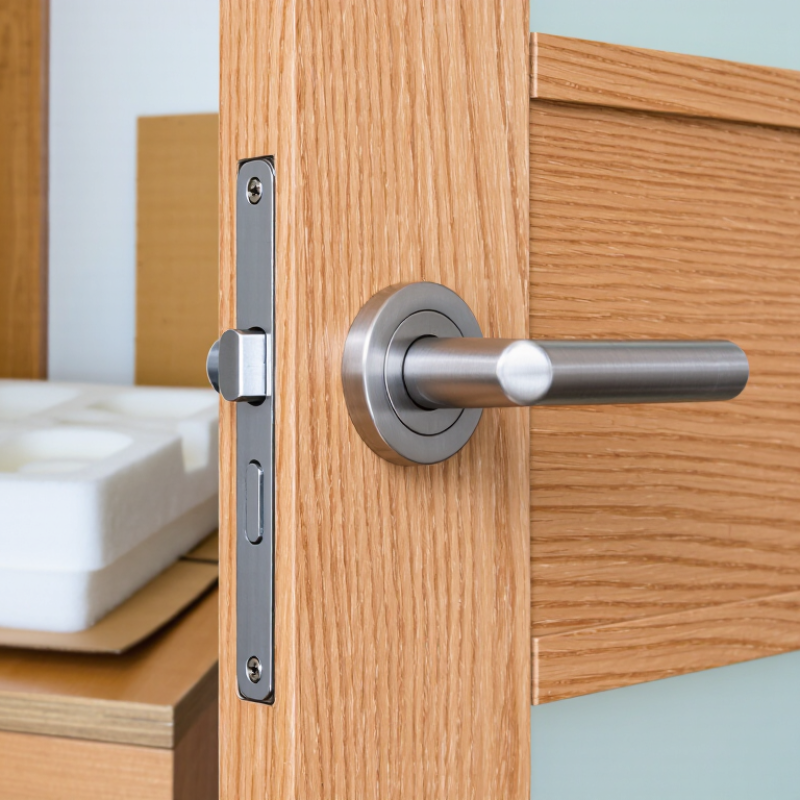
Performance and safety should guide every China door-handle purchase. Start with the base material, spindle strength, spring return, and screw engagement. Stainless steel and solid brass usually withstand repeated handling better than thin plated alloys. EN 1906 includes endurance classes reaching 200,000 operating cycles. ANSI/BHMA A156.2 also uses graded cycle testing for locksets. Ask suppliers for full test reports, not attractive samples alone.
Corrosion deserves serious attention in coastal buildings. The NACE IMPACT Study estimated global corrosion costs at about US$2.5 trillion annually, equal to roughly 3.4% of global GDP. Request ISO 9227 salt-spray testing when finishes face humidity or salt exposure. However, salt-spray hours do not perfectly predict real-life durability. That is an important limitation. Also check fire-door compatibility, emergency egress requirements, and accessibility rules for the destination market. A handle is not automatically fire-rated because its metal feels heavy.
Tips: Request production samples from different batches. Measure the rose diameter, spindle size, backset, and fixing-hole position. Confirm whether the supplier tests complete assemblies or separate parts. Look for traceable reports from an independent laboratory. Inspect plating under bright light, especially around edges and screw holes. Ask for maintenance instructions too; many premature failures begin with unsuitable cleaners. Keep one sample for comparison after installation. That's practical evidence.
What Are the Best China Door Handles for Global Buyers?
Comparing Chinese door handle manufacturers requires more than checking online catalogs. Request physical samples with matching finishes, screws, springs, and mounting plates. A handle may look excellent in photos but feel loose after repeated use. Test the lever for smooth movement, return strength, and surface consistency. Ask whether the body uses stainless steel, brass, zinc alloy, or another specified material. Then verify the actual material through inspection records or independent testing.
Review the manufacturer’s quality process in detail. Reliable factories should explain incoming material checks, production tolerances, coating inspections, and final assembly tests. Ask for cycle-test results and corrosion-resistance data relevant to your market. Packaging also matters. Open one carton and inspect foam protection, labels, installation instructions, and spare parts. Small missing screws can delay an entire project.
Price comparisons need careful reading. A cheaper quote may exclude testing, custom packaging, or replacement components. That creates risk. Check minimum order quantities, sample fees, production capacity, lead times, payment terms, and warranty handling. Speak with the quality manager, not only the sales representative. Factory audits can reveal crowded work areas or inconsistent storage, although one visit never proves everything. I would also compare two production batches, because the first sample is sometimes unusually careful. No comparison is perfect. Reliable communication and traceable records often matter more than a polished showroom.
Reliable ordering starts with a precise specification sheet. Include handle dimensions, mounting-hole spacing, material, finish, function, and installation method. Request a physical sample before approving mass production. A sample can reveal sharp edges, loose springs, or a finish that looks different under daylight. For customization, provide drawings, reference photos, and acceptable measurement tolerances. Small changes affect tooling costs and production time. Keep communication in one written record.
Pricing requires more than comparing unit quotations. Ask whether the price includes packaging, sampling, tooling, inspection, and export preparation. Stainless steel, zinc alloy, and aluminum create different cost and durability profiles. A low price may hide thinner material or weaker internal components. Request a detailed breakdown. It exposes assumptions. In practice, buyers sometimes focus too heavily on the handle price. I have seen shipping and custom packaging change the final budget significantly.
International shipping needs early planning. Confirm carton dimensions, gross weight, pallet requirements, and moisture protection. Individual bags prevent scratches, while reinforced cartons reduce damage during loading. Clarify the delivery term and identify who manages freight, insurance, duties, and local clearance. Product descriptions and shipping documents must match the actual goods. A freight forwarder can review these details before dispatch. Allow extra time for inspections and port delays. My own planning has not always been perfect; a small document error once created an avoidable delay. A pre-shipment checklist is worth the effort.