Choosing the right house doors is a crucial decision that can significantly enhance the overall aesthetics, security, and functionality of your home. With a vast array of styles, materials, and colors available, homeowners may find themselves overwhelmed by the options. The doors you select not only serve as an entry point but also play a vital role in defining the character of your residence. Thus, making an informed choice is essential to achieving a harmonious balance between your personal taste and practical needs.
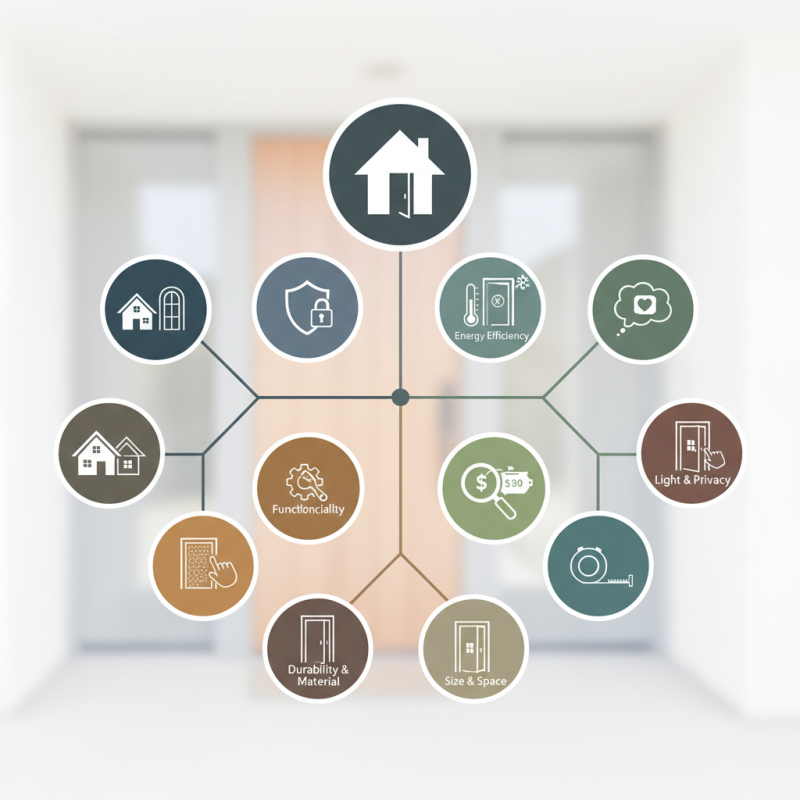
In this guide, we will present the top 10 tips to help you navigate the process of selecting the perfect house doors for your home. From assessing your home’s architectural style to considering durability and energy efficiency, each factor plays a vital role in your decision-making. By understanding the key elements that contribute to a suitable door choice, you can ensure that your selection not only complements your home but also stands the test of time. Whether you're renovating or building anew, these tips will equip you with the knowledge needed to make a confident decision for your house doors.
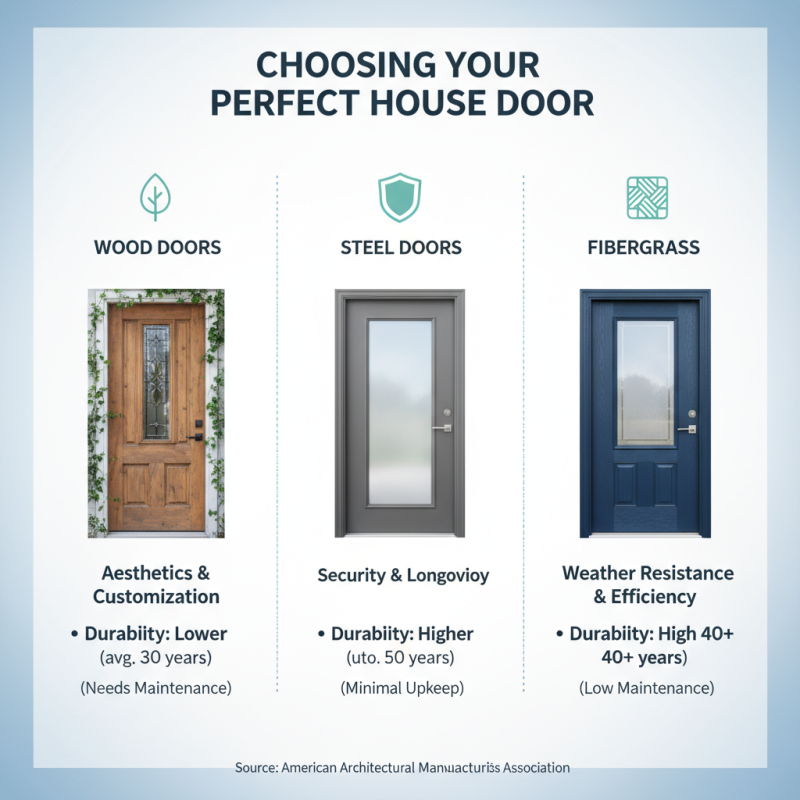
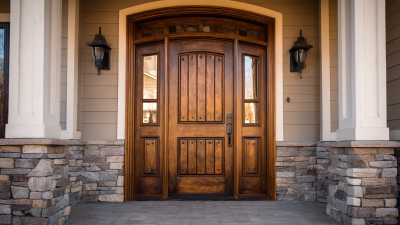
When selecting the perfect house doors for your home, the choice of material is paramount. Wood, steel, and fiberglass each offer distinct advantages that cater to different needs and preferences. According to the American Architectural Manufacturers Association, wood doors, while aesthetically appealing and customizable, typically have a lower durability rating compared to their steel and fiberglass counterparts. On average, wood doors have a lifespan of about 30 years, contingent on maintenance, whereas steel doors can last up to 50 years with minimal upkeep.
Steel doors are renowned for their strength and security, boasting a resistance to warping and cracking, making them ideal for harsh climates. A study by the Steel Door Institute indicates that steel doors provide superior insulation, leading to potential energy savings of up to 20% when compared to wooden doors. On the other hand, fiberglass doors offer a great middle ground. They mimic the appearance of wood but are more resistant to dents, scratches, and the elements. Reports suggest that fiberglass doors can be expected to last around 30-50 years and provide excellent energy efficiency, making them a popular choice among homeowners. Ultimately, the decision comes down to prioritizing aesthetics, durability, and energy efficiency.
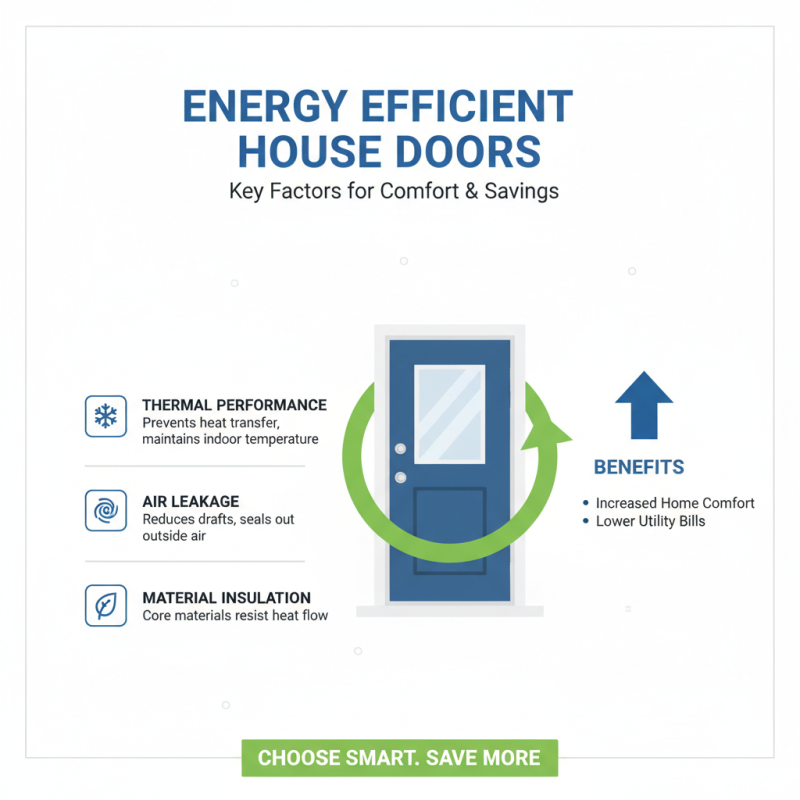
When selecting house doors, energy efficiency ratings play a crucial role in ensuring that your home remains comfortable while minimizing energy costs. These ratings generally encompass factors such as thermal performance, air leakage, and material insulation. Understanding these metrics can help homeowners make informed decisions that impact both their comfort level and utility bills.
A key measurement to consider when evaluating energy efficiency is the U-factor, which indicates the rate at which heat is transferred through the door. The lower the U-factor, the better the door performs in insulating your home. Additionally, the Energy Star label can serve as a reliable guide, identifying products that meet strict energy efficiency guidelines set by the Environmental Protection Agency. By focusing on these ratings, homeowners can select doors that not only enhance the aesthetic appeal of their homes but also contribute significantly to energy savings over time.
When choosing the perfect house doors, security should be at the forefront of your decision-making process. The locking mechanism is vital; opting for deadbolt locks provides superior resistance against forced entry compared to standard locks. Look for locks that are grade-rated by the American National Standards Institute (ANSI), as these locks have undergone rigorous testing and are proven to withstand potential attacks.
In addition to robust locks, the door frame plays a crucial role in overall safety. A solid frame constructed from heavy-duty materials ensures that the door remains firmly in place, reducing the risk of it being pried open. Consider reinforcement options such as steel door frames or reinforced strike plates that provide extra strength and protection.
Lastly, additional reinforcements such as security bars or a security door can significantly enhance safety, creating a layered defense against intruders, while still allowing for aesthetic appeal. Ultimately, blending security features with style will help create a home that is both safe and inviting.
When selecting house doors, aesthetic considerations play a crucial role in enhancing the overall appeal of your home. Style, color, and design trends are pivotal elements that can transform a simple entryway into a striking focal point. According to a recent report by the American Institute of Architects, 76% of homeowners prioritize the visual impact of their doors, showcasing the importance of aligning door choices with the home's architectural style. Whether you're leaning towards a classic wooden design or a modern fiberglass door, it's essential to ensure that it complements your home's exterior.
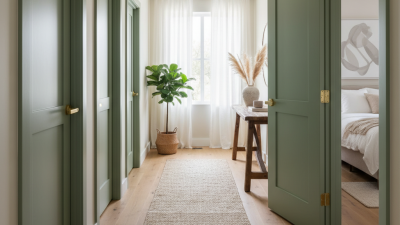
Color trends also significantly influence the choice of doors, with bold shades gaining popularity. The Sherwin-Williams 2023 Color Forecast indicates that vibrant hues such as deep blues and earthy greens are increasingly favored, reflecting homeowners' desire for individuality and personalization. Additionally, designs that include intricate glasswork or unique paneling can add depth and character. As design trends evolve, incorporating elements like smart technology into door designs can also enhance practicality while keeping aesthetics at the forefront, making your entrance not just beautiful but also functional.
| Tip Number | Consideration | Recommendation | Trends |
|---|---|---|---|
| 1 | Style | Choose doors that complement your home's architectural style | Modern minimalist designs are trending |
| 2 | Material | Consider durability and weather resistance | Fiberglass and steel doors are gaining popularity |
| 3 | Color | Opt for colors that enhance curb appeal | Bold colors like navy blue and deep green are in |
| 4 | Design | Select designs that fit your personality | Geometric patterns are trending |
| 5 | Glass Inserts | Consider energy efficiency in glass options | Frosted glass is becoming popular for privacy |
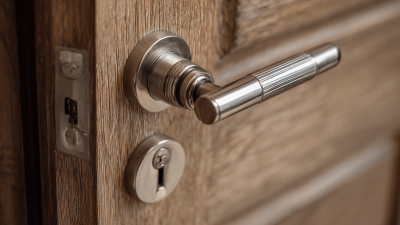
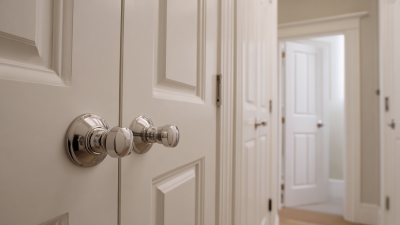
| 6 | Hardware | Choose hardware that matches the door style | Matte finishes are trending |
| 7 | Size | Ensure proper measurements for the space | Oversized doors are a current trend |
| 8 | Security Features | Look for advanced locking mechanisms | Smart locks are increasingly popular |
| 9 | Environmental Impact | Consider eco-friendly materials | Reclaimed wood is trending |
| 10 | Budget | Balance quality with cost | Affordable luxury options are on the rise |
Selecting the right house doors involves careful consideration of sizing and installation to ensure a perfect fit for your home's entryway. According to the Door and Access Systems Manufacturers Association (DASMA), nearly 70% of homeowners report issues stemming from improperly sized doors, which can lead to security vulnerabilities and energy inefficiencies. It's essential to measure the door frame accurately and understand the door sizes available in the market, which typically range from standard widths of 30 to 36 inches. Ensuring the exact dimensions not only contributes to the door's aesthetic appeal but also its functional performance.
Installation plays a critical role in achieving a seamless fit. The American Institute of Architects notes that a poorly installed door can reduce energy efficiency by up to 10%. This highlights the importance of not only selecting a door that fits the measurements but also hiring skilled professionals or following precise installation guidelines if opting for a DIY approach. Regularly checking for alignment and making necessary adjustments can help maintain the integrity of your door and entryway, ensuring that your investment lasts for years to come.