10 Smart Tips for Choosing the Perfect Panel Doors for Your Home
When it comes to selecting the right panel doors for your home, understanding the nuances of design, functionality, and material can greatly enhance your decision-making process. Panel doors have been a staple in residential architecture for centuries, reflecting both aesthetics and durability. According to the latest report by the Building Industry Association, approximately 50% of homeowners prioritize door selection as a critical factor in maintaining their home's overall value and appeal. Moreover, a survey conducted by the National Association of Home Builders revealed that homes featuring high-quality panel doors can increase property value by up to 10%, making them not only a design choice but a financial investment as well.
Choosing the perfect panel doors involves examining various factors, including the style that complements your home, the material that meets your longevity and maintenance needs, and the energy efficiency ratings that will contribute to a sustainable living environment. Trends in the industry also highlight the growing preference for solid wood and composite materials, which offer excellent insulation properties while providing rich aesthetics. As we delve into the ten smart tips for selecting the ideal panel doors, it's crucial to blend personal style with informed choices that align with current market trends and enhance your living space for years to come.

Understanding Different Types of Panel Doors for Home Use
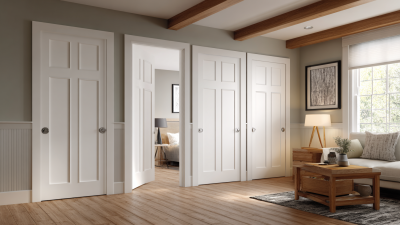
When selecting panel doors for your home, understanding the different types available is crucial for making an informed decision. Panel doors typically come in three main styles: flat panel, raised panel, and recessed panel. According to a report by the Door and Hardware Institute, raised panel doors are particularly popular due to their classic appeal and insulating properties, making them suitable for a variety of home styles. They have been shown to increase property value, with statistics indicating that features like these can raise a home's resale price by up to 5%.
In addition to style, panel doors can be constructed from various materials, including wood, fiberglass, and steel. A study conducted by the National Association of Home Builders revealed that solid wood doors offer superior durability and aesthetic value, leading to higher consumer satisfaction ratings. Conversely, fiberglass doors have become increasingly favored for their low maintenance and energy efficiency, with nearly 40% of homeowners considering them for new installations. By analyzing these types and materials, you can better understand how to match the panel doors to your home’s design and functional needs.
10 Smart Tips for Choosing the Perfect Panel Doors for Your Home
| Tip Number |
Tip Description |
Type of Panel Door |
Ideal Room |
| 1 |
Choose the right material based on durability and maintenance. |
Solid Wood Panel |
Living Room |
| 2 |
Consider the door's design to match your home decor. |
Raised Panel Door |
Dining Room |
| 3 |
Select energy-efficient doors to save on heating and cooling. |
Insulated Panel Door |
Utility Room |
| 4 |
Think about door size to enhance space perception. |
French Doors |
Patio |
| 5 |
Prioritize door security features for your safety. |
Steel Panel Door |
Entryway |
| 6 |
Evaluate the door's soundproof qualities for tranquility. |
Hollow Core Door |
Home Office |
| 7 |
Match the door color with your wall painting for harmony. |
Laminated Panel Door |
Bedroom |
| 8 |
Research different styles to complement various regions of your home. |
Sliding Doors |
Closets |
| 9 |
Think about the door's finishing to enhance lifespan. |
Painted Panel Door |
Bathroom |
| 10 |
Consult professionals for installation to ensure proper fit. |
Bi-fold Doors |
Laundry Room |
Factors to Consider When Selecting Panel Doors for Your Space
When selecting panel doors for your home, several important factors should be considered to ensure both functionality and aesthetic appeal. First, the material of the door plays a significant role in its durability and appearance. Solid wood doors offer a classic look and lasting strength, while engineered wood or fiberglass doors can provide better resistance to moisture and warping, making them suitable for various climates. Additionally, consider the door's thickness — a thicker door often translates to better sound insulation and security.
Another crucial factor is the style of the panel door and how it complements your existing decor. Panel doors come in various designs, from traditional raised panels to sleek, modern flat panels. Assess the overall theme of your space, whether it be contemporary, rustic, or minimalist, and choose a door that enhances that aesthetic. Furthermore, the color and finish of the door should harmonize with your walls and trim, contributing to a cohesive look throughout your home. Lastly, take into account the door’s functionality: consider whether you need doors that swing, slide, or fold, depending on the layout and dimensions of your space.
Material Choices: Wood, MDF, and More for Panel Doors
When it comes to selecting the right material for panel doors, homeowners often find themselves weighing the benefits of wood, MDF, and other options. Wood is a classic choice that brings warmth and timeless elegance to any space. Its natural beauty and durability make it an excellent investment, especially when choosing hardwood varieties. However, it's essential to consider the maintenance required, as wood can be susceptible to warping and fading over time.
MDF, or Medium Density Fiberboard, is gaining popularity due to its affordability and versatility. Unlike wood, MDF doesn’t swell or crack, making it a reliable option for high-moisture areas. Additionally, it takes paint exceptionally well, allowing for a smooth finish that can complement any décor. For those on a budget, look for panel doors crafted from engineered wood composites that still offer durability and a stylish appearance with less impact on your wallet.
One smart tip is to align your choice of material with your home's overall aesthetic. If your space has a rustic feel, solid wood may be the best fit. Conversely, for a modern vibe, sleek MDF can provide a clean, contemporary look. Always consider the practical aspects, too—like the level of traffic in the area where the doors will be installed, which can influence the durability needed for your choice.
Material Choices for Panel Doors
Aesthetic Styles: Matching Panel Doors with Home Decor
When it comes to enhancing the aesthetic appeal of your home, the selection of panel doors plays a crucial role in tying your decor together. According to a report by the National Association of Home Builders, the right door can increase a home’s perceived value by up to 10%. This makes it essential to choose panel doors that not only complement your space but also reflect your personal style.
One smart tip for matching panel doors with your decor is to consider the overall theme of your home. For instance, if your space embodies a modern aesthetic, opt for sleek, flat-panel doors finished in neutral tones. In contrast, traditional or rustic-themed homes can benefit from raised-panel doors made from rich woods that enhance their classic charm. Additionally, remember that color can affect the ambiance; a bold hue can make a statement, while soft pastels can create a calm environment.
Another tip is to coordinate the panel door style with other elements in the room. This means looking at the trim, cabinetry, and flooring. A cohesive color palette throughout the home can create a sense of unity, reinforcing your design narrative. As reported by the American Institute of Architects, aligning door styles with home decor not only elevates the design but also ensures a cohesive aesthetic that resonates throughout the space.

Energy Efficiency and Insulation Features of Panel Doors
When selecting panel doors for your home, energy efficiency and insulation features should be a top priority. Panel doors can significantly contribute to your home's overall energy performance by reducing heat transfer. Opt for doors with a solid core, as they provide superior insulation compared to hollow-core options. A well-insulated door can help maintain a consistent indoor temperature, ultimately lowering your energy bills.
When assessing the insulation properties, also pay attention to the door's materials. Fiberglass, wood, and steel are popular choices, each offering different insulation benefits. For instance, fiberglass doors often feature foam cores that provide excellent thermal resistance. Additionally, ensure that your panel doors come with quality weather stripping to prevent draft entry, enhancing overall energy efficiency in your living spaces.
Tip: Look for panel doors with an Energy Star rating, which indicates they meet strict energy efficiency guidelines. Another tip is to consider doors that include dual-pane windows, which can further improve insulation and reduce energy costs. By taking these features into account, you can not only elevate your home's aesthetic appeal but also promote a more energy-efficient and comfortable environment.