What is Commercial Door Hardware and How Does It Work?
Commercial door hardware plays a vital role in modern buildings. It includes various components that facilitate the operation and security of doors. Understanding these hardware items is crucial for any business or facility manager.
Various components make up commercial door hardware, such as hinges, locks, and closers. Each piece serves a specific purpose. For example, locks ensure safety, while hinges allow for smooth operation. However, not all hardware is created equal. Some options may not provide the durability and security needed. Careful selection is essential for long-term success.
Proper installation and maintenance are equally important. Many overlook this aspect. A poorly installed piece can lead to safety hazards and costly repairs. Regular checks can help prevent such issues. By focusing on these elements, businesses can maximize the effectiveness of their commercial door hardware.
What is Commercial Door Hardware?
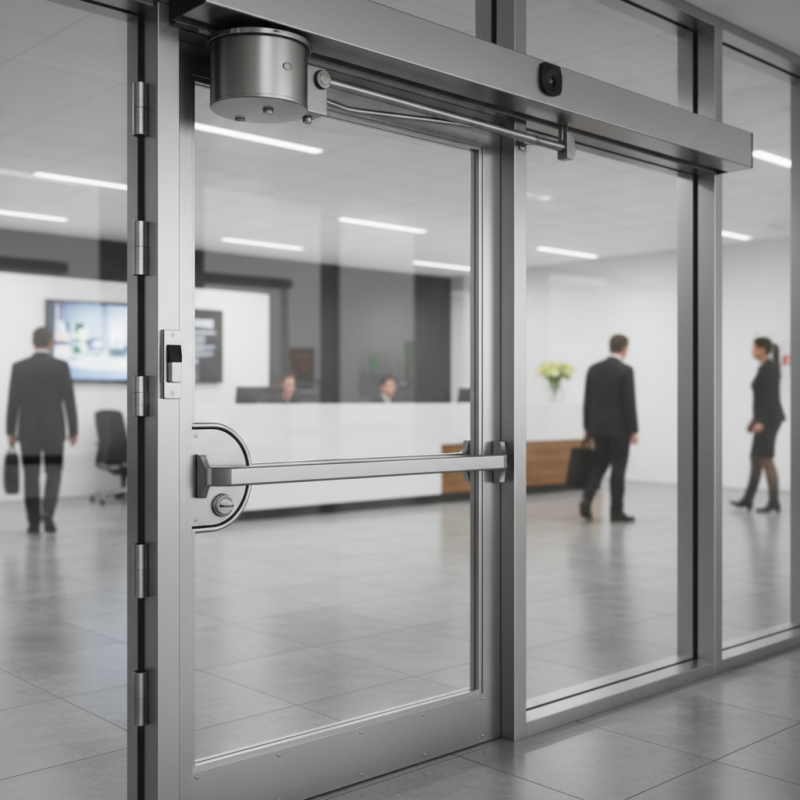
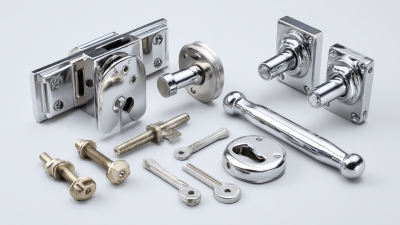
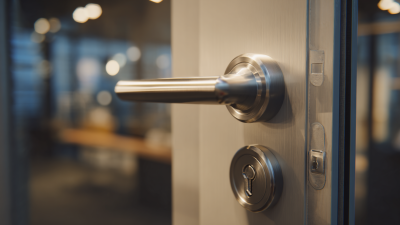
Commercial door hardware refers to the various components used to secure and operate doors in commercial buildings. This includes items like locks, handles, hinges, and closers. Each piece plays a vital role in ensuring the door functions properly and provides security. For example, a sturdy lock secures the premises, while a well-placed handle offers ease of access.
These components are designed for durability and reliability. They need to withstand daily use and sometimes harsh conditions. Think about a busy office building. The doors experience constant traffic. Hence, selecting durable hardware is essential. It’s crucial for maintaining both security and functionality. However, one might overlook the importance of regular maintenance. Without it, even the best hardware can fail over time.
Installation is another aspect to consider. Proper installation ensures that hardware functions as intended. Misalignment can lead to issues, causing frustration for users. Some assume they can manage this task themselves, only to encounter problems later. It’s a reminder that professional help can sometimes make a significant difference. Each part of commercial door hardware contributes to a safe and welcoming environment.
What is Commercial Door Hardware and How Does It Work?
| Hardware Type |
Description |
Material |
Application |
Functionality |
| Hinges |
Allows doors to pivot |
Steel, Stainless Steel |
Commercial Entry and Exit Doors |
Support door weight and enable movement |
| Locks |
Secure doors from unauthorized access |
Brass, Steel |
Office Buildings, Schools |
Prevent theft or vandalism |
| Panic Bars |
Emergency exit mechanism |
Aluminum, Steel |
Emergency Exits, Assembly Areas |
Allow quick exit during emergencies |
| Door Closers |
Automatically closes doors after opening |
Hydraulic, Pneumatic |
Hotels, Offices |
Control door swing and provide security |
| Handles & Pulls |
Provide a means to open and close doors |
Plastic, Metal |
Entryways, Restrooms |
Facilitate safe operation of doors |
Types of Commercial Door Hardware and Their Functions
Commercial door hardware plays a crucial role in the functionality of various types of buildings. Different types of hardware serve distinct purposes. For instance, panic bars enhance safety in emergencies. These devices allow quick exits, essential in crowded places. According to industry reports, about 25% of commercial spaces prioritize safety upgrades.
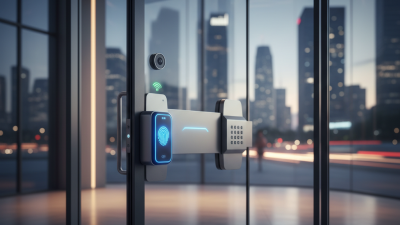
Locks are another vital component. They provide security and control access. Electronic locks are increasingly popular. They can track entries and exits. A report shows that at least 30% of businesses have adopted smart locking systems in the last two years. However, some users still face challenges. Technical glitches can lock individuals out, leading to frustration.
Hinges are often overlooked but are equally important. They ensure doors swing properly and last longer. High-quality hinges can bear heavy loads. A recent survey indicated that 40% of door malfunctions relate to poor hinge quality. Selecting the right type of hardware is critical. An informed choice impacts security, convenience, and longevity.
What is Commercial Door Hardware and How Does It Work?
The Importance of Security Features in Commercial Door Hardware
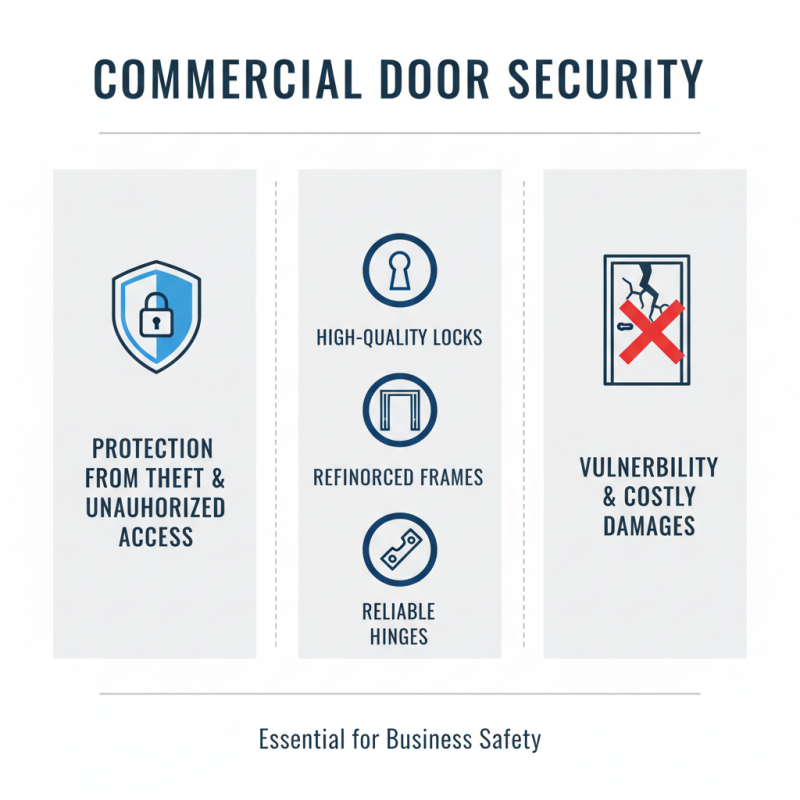
In commercial settings, door hardware is crucial for security. Adequate security features protect businesses from theft and unauthorized access. High-quality locks, reinforced frames, and reliable hinges are necessary. Without them, a building is vulnerable. Poorly installed hardware can lead to costly damages.
Security features often include keyless entry systems. These systems allow for easy access while keeping unauthorized individuals out. Moreover, integration with alarms can enhance safety. A malfunctioning lock, however, can create a false sense of security. Regular maintenance is essential to avoid such issues.
Remember, not all hardware is created equal. Budget options may seem appealing, yet they often compromise safety. Investing in quality door hardware is wise. After all, a secure entrance is the first step towards a safe business environment.
Common Issues with Commercial Door Hardware and Solutions
Commercial door hardware is essential for the functionality and security of businesses. However, it can face several common issues that require attention. One frequent problem is misalignment. This can cause doors to stick or not latch correctly. It's vital to check hinges and strikes regularly. A simple adjustment can often resolve this issue quickly.
Another common issue is wear and tear of locking mechanisms. Over time, locks can become stiff or difficult to operate. This may compromise security. Lubricating the lock can help, but sometimes replacement is necessary. It's important to replace old locks before they fail completely. Ignoring this can lead to security risks.
Lastly, rust or corrosion can be a significant concern, especially in humid environments. This may affect not just aesthetic appeal but operability as well. Periodic inspections should focus on rust-prone areas. Applying protective finishes can reduce this risk. Yet, some businesses overlook these maintenance aspects, leading to bigger problems down the line. Regular attention can save time and costs in the future.