How to Choose the Best Panel Doors for Your Home Renovation Needs
When renovating a home, selecting the right panel doors can significantly impact the overall aesthetic and functionality of the space. According to a recent report by the Home Improvement Research Institute, panel doors account for approximately 30% of the door market, making them a popular choice among homeowners and designers alike. As industry expert James Lambert notes, "Choosing the right panel doors not only enhances the beauty of your interiors but also adds value to your property."
The versatility of panel doors allows them to seamlessly fit into various architectural styles, from traditional to contemporary. Their design options, including the number of panels, materials, and finishes, empower homeowners to personalize their spaces. Furthermore, a survey conducted by the National Association of Home Builders revealed that homes featuring high-quality doors have higher property valuations, emphasizing the potential return on investment when selecting the right panel doors for renovation projects.
In conclusion, understanding the factors influencing the selection of panel doors is crucial for homeowners looking to create functional, stylish environments. By considering both aesthetic and practical elements, individuals can make informed decisions that complement their renovation needs while maximizing the value of their homes.
Understanding Different Types of Panel Doors Available in the Market
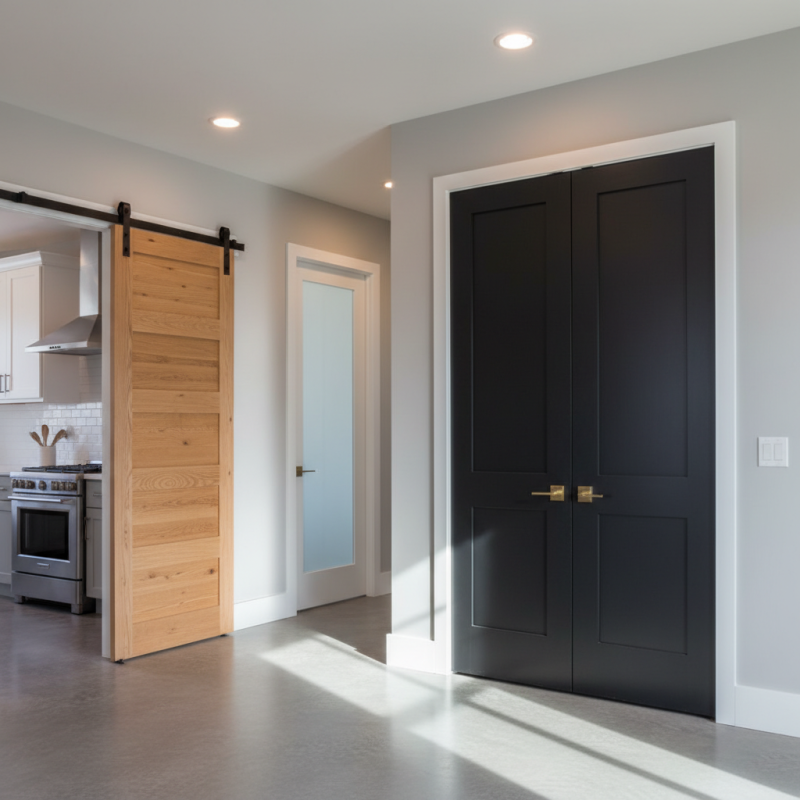
When selecting panel doors for your home renovation project, it's essential to understand the various types available in the market. Panel doors are typically categorized into three main types: flat panel doors, raised panel doors, and recessed panel doors. Each type offers distinct aesthetic qualities and functional advantages that can complement different design styles and home environments.
Flat panel doors feature a smooth surface and are often characterized by their simplistic and modern appearance. This style is ideal for contemporary homes, where minimalism reigns supreme. On the other hand, raised panel doors incorporate a three-dimensional design, with the central panel raised above the frame. This classic design often suits more traditional or formal settings, providing a sense of elegance and depth. Lastly, recessed panel doors, which have an indented central panel, strike a balance between the two styles and can easily adapt to both contemporary and traditional aesthetics.
Understanding these variations not only helps in selecting a door that aligns with your design vision but also ensures that the door's materials and construction meet your durability and insulation needs. By considering the right type of panel door, you can enhance your space's functionality while also elevating its visual appeal.
Comparison of Different Types of Panel Doors
Evaluating Material Options for Durability and Aesthetic Appeal
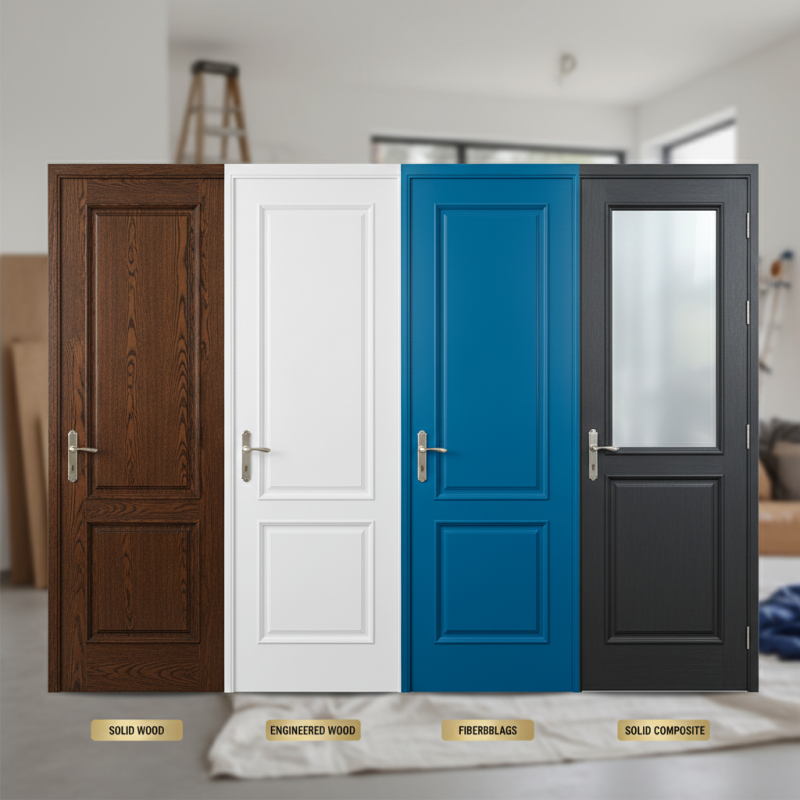
When selecting panel doors for your home renovation, evaluating material options is crucial for achieving both durability and aesthetic appeal. The most common materials for panel doors include solid wood, engineered wood, fiberglass, and solid composite materials. Each offers distinct advantages: solid wood is highly regarded for its classic beauty and durability, while engineered wood provides greater resistance to warping and cracking, making it a popular choice for varying climates. According to the National Association of Home Builders, durable materials like fiberglass can significantly enhance a home's longevity, offering resistance to moisture and impact.
Tips: When considering panel door materials, look for doors with a high-quality finish that resists scratches and dents. Pay attention to the door's energy efficiency ratings; doors that offer superior insulation can help lower energy bills and improve indoor comfort.
Aesthetic appeal should not be overlooked. The choice of finish, color, and texture can dramatically alter the look of your space. For instance, smooth, paintable surfaces allow for customization, while natural wood grains can add warmth and character to a room. A report from the Remodeling Industry Association suggests that design trends indicate a preference for minimalist styles combined with sustainable materials, reflecting both contemporary tastes and environmental consciousness. Investing in the right materials not only enhances your home’s beauty but also ensures long-lasting quality.
Considering Energy Efficiency and Insulation Properties of Panel Doors
When selecting panel doors for your home renovation, it's crucial to consider their energy efficiency and insulation properties. High-quality panel doors can significantly impact your home's overall insulation, helping to maintain a comfortable indoor temperature while reducing energy costs. Look for doors with solid cores, as they offer better sound insulation and energy efficiency compared to hollow-core options. Additionally, choose doors with weatherstripping features that provide an airtight seal, preventing drafts and heat loss.
Tips: Prioritize doors with a high R-value, which measures their thermal resistance. The higher the R-value, the better the door will insulate your home. Additionally, consider energy-efficient glazing if you're opting for doors with windows; double or triple glazing can dramatically improve insulation while allowing natural light to enter your space.
Moreover, remember to pay attention to the materials used in the construction of the panel doors. Wood and fiberglass are popular choices due to their excellent insulative properties. Fiberglass doors, in particular, can replicate the appearance of wood while offering superior energy efficiency. Carrying out a few comparisons and research on different door types can help you strike the right balance between appeal and functionality in your home renovation project.
How to Choose the Best Panel Doors for Your Home Renovation Needs - Considering Energy Efficiency and Insulation Properties of Panel Doors
| Door Type |
Material |
Energy Efficiency Rating |
Insulation Properties (R-Value) |
Average Cost |
| Solid Core Panel Door |
Wood |
A |
5.0 |
$200 - $500 |
| Hollow Core Panel Door |
Composite |
B |
2.5 |
$100 - $300 |
| Fiberglass Panel Door |
Fiberglass |
A+ |
6.0 |
$300 - $700 |
| Steel Panel Door |
Steel |
A |
4.0 |
$250 - $600 |
| Wood Panel Door |
Solid Wood |
B+ |
3.5 |
$400 - $900 |
Measuring Your Space for Perfect Fit and Functionality
When it comes to selecting panel doors for your home renovation, the first crucial step is ensuring accurate measurements for a perfect fit and optimal functionality. According to a study by the National Association of Home Builders, improper door sizing can lead to excess energy loss and increased costs, with potential savings of up to 15% on energy bills when correctly installed. To measure your space, start by noting the height and width of the door frame, as well as the thickness of the existing door. Don't forget to account for any obstructions, such as molding or trim, that may affect the overall dimensions.
Tips: Always double-check your measurements to avoid costly mistakes. Using a laser level can help ensure that your measurements are precise, eliminating the risk of miscalculation. Additionally, consider the opening direction; whether your door swings in or out can significantly impact the space layout, especially in tight areas.
Moreover, think about the door's intended function and the traffic flow in the area. A study from the American Institute of Architects indicates that homeowners prefer doors that offer both aesthetic appeal and practicality. For high-traffic areas, opt for durable materials that can withstand wear and tear. Understanding your needs will guide you in choosing the right door style, be it traditional or contemporary, while ensuring it complements your overall home design.
Budgeting for Quality: Cost vs. Value in Panel Door Selection
When selecting panel doors for your home renovation, balancing cost and quality is crucial. High-quality panel doors may come with a higher price tag, but they often provide greater durability and aesthetic appeal, thus adding long-term value to your home. Conversely, opting for cheaper options can save you money upfront but may lead to more frequent replacements and repairs, ultimately costing you more in the long run.
Tips: Consider the material and construction of the doors. Solid wood doors tend to offer better insulation and soundproofing than hollow-core options, making them worth the investment for rooms where privacy is a priority. Additionally, full-length panel doors can create a grand look and feel, enhancing the overall ambiance of your living spaces.
When budgeting for quality, keep an eye out for sales or bulk purchase discounts. You might find that purchasing multiple doors from the same retailer can lower costs significantly. Also, don’t forget about the potential for discounts on unfinished doors that allow for customization in finishing. This option can not only save on costs but will also enable you to achieve the perfect look that matches your home’s décor.