Top 10 Tips for Choosing the Best Commercial Door Supplier for Your Business
When it comes to enhancing the security and aesthetic appeal of your business premises, selecting the right commercial door supplier is crucial. With a multitude of options available, making an informed choice can significantly impact not only the functionality of your doors but also the overall safety and image of your establishment. The ideal commercial door supplier should provide a range of products that cater to your specific needs, whether that involves durability, design, or compliance with safety regulations.
In this guide, we will explore the top ten tips for choosing a commercial door supplier that meets your unique business requirements. From evaluating product quality and customization options to considering customer service and after-sales support, each factor plays a vital role in your decision-making process. By carefully assessing these elements, you can ensure that your chosen supplier will be a reliable partner in maintaining the integrity and professionalism of your business environment.

Key Considerations When Selecting a Commercial Door Supplier
When selecting a commercial door supplier, it is crucial to consider several key factors that can significantly impact your business operations. According to a recent industry report by IBISWorld, the commercial door manufacturing sector has seen an annual growth rate of approximately 4.2% over the last five years, indicating a robust and competitive market. First and foremost, evaluate the supplier’s experience and expertise in the industry. A seasoned supplier will not only have a diverse range of products but also provide valuable insights into the latest trends and innovations. This can be particularly beneficial for businesses looking to enhance security or energy efficiency through advanced door technologies.
Additionally, assessing the supplier's customer service and support is essential. According to the Customer Experience Report by Zendesk, 82% of consumers view customer service as a key factor in their purchasing decisions. Timely support ensures that your business experiences minimal disruptions during installation or maintenance. Furthermore, consider the supplier's delivery and lead times as they can vary widely. An efficient supplier should offer reliable timelines and industry-standard warranties to ensure the doors meet your operational demands. In a landscape where downtime can result in significant losses, partnering with a committed supplier who prioritizes responsiveness and reliability can be a game-changer for your business.
Top 10 Tips for Choosing the Best Commercial Door Supplier for Your Business
| Tip Number |
Tip |
Considerations |
| 1 |
Assess Your Needs |
Understand the specific requirements for your business's environment. |
| 2 |
Research Suppliers |
Look for suppliers with a proven track record and positive reviews. |
| 3 |
Evaluate Product Quality |
Check for certifications and warranties on the products offered. |
| 4 |
Compare Prices |
Get quotes from multiple suppliers to ensure competitive pricing. |
| 5 |
Consider Delivery Options |
Understand the delivery timelines and logistics of your supplier. |
| 6 |
Check Customer Support |
Evaluate the level of support offered post-purchase. |
| 7 |
Inquire About Installation Services |
Determine if the supplier provides installation or if you need a third party. |
| 8 |
Assess Return Policies |
Understand the terms related to returns and exchanges. |
| 9 |
Review Customization Options |
Check if the supplier can provide custom doors tailored to your specifications. |
| 10 |
Ask for References |
Request references from past clients to evaluate credibility. |
Evaluating Supplier Experience and Industry Reputation
When selecting a commercial door supplier, evaluating their experience and industry reputation is crucial to ensure a reliable partnership. A supplier with extensive experience demonstrates their ability to navigate the complexities of various projects, understanding the unique needs of different businesses. This experience often translates to better problem-solving capabilities and a more streamlined process, saving you time and resources in the long run. Additionally, seasoned suppliers are usually equipped with the latest industry knowledge, allowing them to provide valuable insights and recommendations tailored to your specific requirements.
Industry reputation acts as a window into the supplier's reliability and customer satisfaction. Researching online reviews, testimonials, and case studies can help you gauge how other businesses feel about their products and services. A supplier with a strong reputation is likely to prioritize quality, timeliness, and responsiveness, which are essential for maintaining smooth operations. Networking within your industry can also provide insights, as personal recommendations often carry more weight than marketing materials. By focusing on these two aspects, you can make a more informed decision and establish a successful partnership that meets your commercial needs.
Understanding Door Material Options and Their Benefits
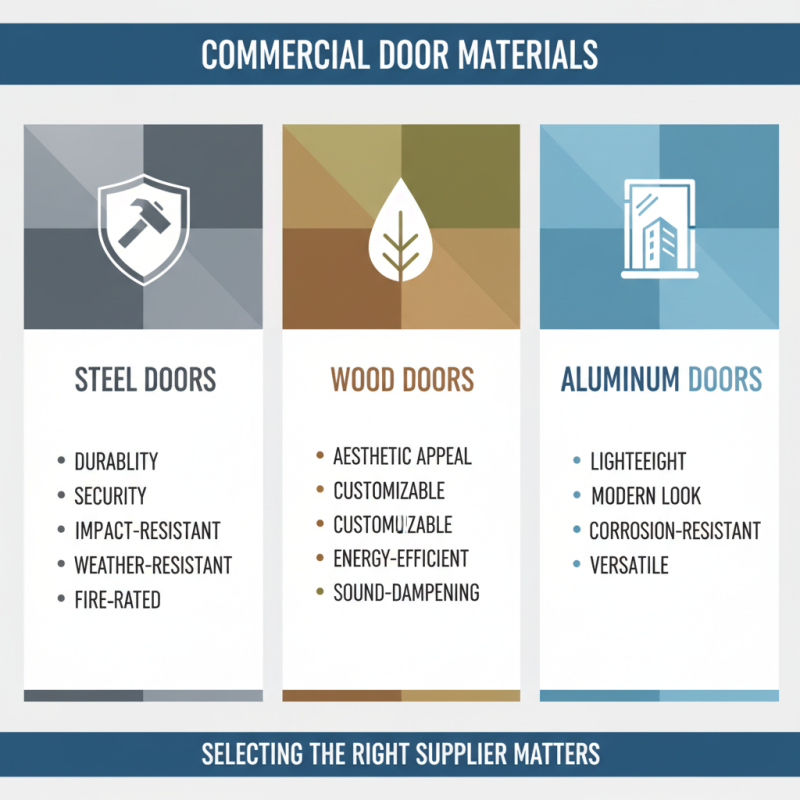
When selecting a commercial door supplier, it's crucial to understand the various door material options available and their unique benefits. Steel doors are a popular choice due to their durability and security. They are resistant to impact and can withstand harsh weather conditions, making them ideal for industrial environments. Additionally, steel doors can be fire-rated, providing an added layer of safety for businesses concerned about fire hazards.
On the other hand, fiberglass doors offer an excellent balance of aesthetics and functionality. They can mimic the look of wood while providing superior resistance to dents, rust, and corrosion. This makes them suitable for commercial settings that desire a more polished appearance without compromising on durability. Wood doors, while more traditional, offer warmth and style, making them appealing for office environments or storefronts. However, they may require more maintenance and are less suitable for high-traffic or harsh environments compared to their metal and fiberglass counterparts. Understanding these material options will help businesses choose the right door supplier that aligns with their specific needs and operational demands.
Assessing Customization and Design Capabilities
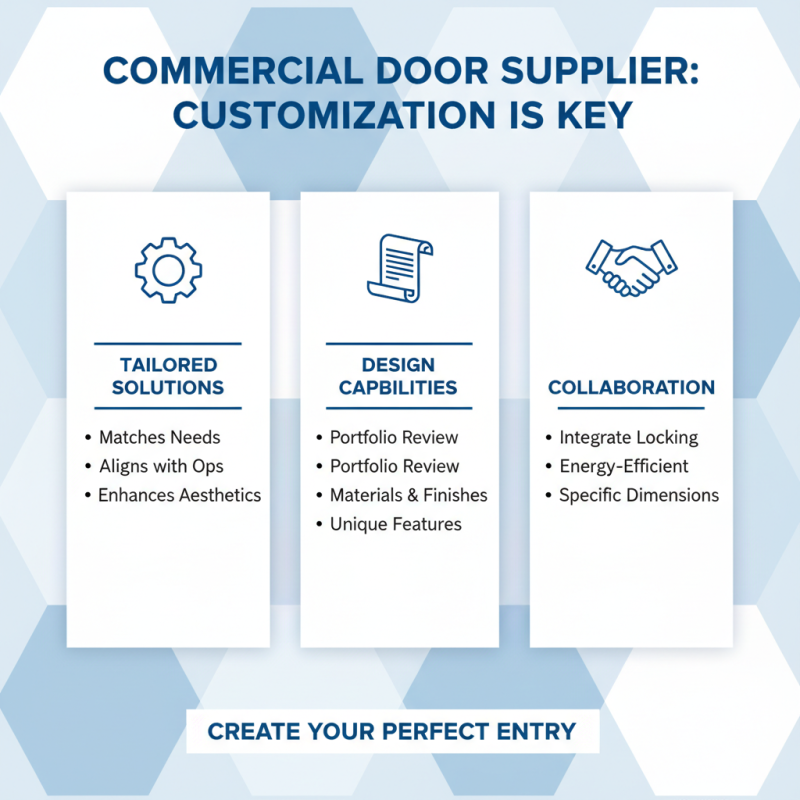
When choosing a commercial door supplier, the ability to customize and design doors to fit your specific business needs is crucial. A supplier that offers robust customization options enables you to create doors that align perfectly with your operational requirements and aesthetic preferences. Assess their design capabilities by reviewing their portfolio and the variety of materials and finishes they offer. A flexible supplier should be able to collaborate with you to integrate unique features, such as specialized locking mechanisms, energy-efficient components, or specific dimensions tailored to your space.
Moreover, communication with the supplier during the design phase plays a vital role in achieving the desired outcome. Engaging with a supplier who values customer input and demonstrates a willingness to adapt their designs based on your feedback can significantly enhance the end result. It's essential to discuss your ideas clearly and understand how the supplier implements feedback into their design process. A commitment to collaboration often indicates a supplier's dedication to meeting your needs, resulting in a high-quality product that supports your business's functionality and brand image.
Reviewing After-Sales Support and Warranty Policies
When choosing a commercial door supplier, evaluating their after-sales support and warranty policies is crucial for ensuring long-term satisfaction and functionality. After-sales support consists of services that the supplier provides post-purchase, which can include installation assistance, maintenance advice, and immediate customer service responses. A supplier committed to excellent after-sales support will offer accessible channels for communication, allowing businesses to promptly address any issues that may arise. This kind of proactive support helps in maintaining the doors’ performance and longevity, ultimately protecting the investment made by the company.
In addition to responsive after-sales support, reviewing the warranty policies is equally important. A solid warranty indicates the supplier’s confidence in their products and offers peace of mind for the buyer. When assessing warranty options, consider the duration and coverage—whether it includes hardware, labor, and potential repairs or replacements for manufacturing defects. Suppliers that provide comprehensive warranty terms signal a reliability that can foster a trusting relationship. Moreover, it’s beneficial to understand the process for making a warranty claim, ensuring that it is straightforward should a problem occur. By closely examining these aspects, businesses can make informed decisions, securing a partnership with a supplier who truly stands behind their products.